
Winter is coming, and as you prepare to face the chilly winds, your bike tires need attention too. Imagine cruising through snow-covered streets without a hitch, feeling safe and secure on every ride.
Sounds perfect, right? But achieving this winter biking bliss requires a little preparation. Whether you’re an avid cyclist or a casual rider, ensuring your bike tires are ready for the cold season is crucial. It’s not just about avoiding flat tires or slippery roads; it’s about enhancing your biking experience and keeping you safe.
Dive into this guide, and discover the secrets to winter-proofing your bike tires. Your rides can be smooth and worry-free, even when the temperature drops. Are you ready to make the most out of your winter biking adventures? Let’s get started!

Credit: www.facebook.com
Choosing Winter Tires
Winter tires have special features. They are made for cold weather. Snow tires have deep treads. Deep treads grip snow well. Ice tires use soft rubber. Soft rubber sticks to ice better. Studded tires have metal spikes. Spikes help on ice and snow. Choose the right tire for your winter ride.
Winter-specific tires are safer. They help stop quicker in snow. Good grip helps turn easily. Less slipping means more control. Winter tires last longer in cold. Regular tires wear out fast in winter. Winter tires keep you safe and warm. They make biking fun in winter!
Inspecting Tire Condition
Inspecting tire condition ensures safety during winter rides. Check for cracks, wear, and proper inflation. Replace tires if necessary for better grip.
Checking Tread Depth
Bike tires need good tread depth for winter roads. Use a coin to check depth. Insert the coin into the tread grooves. If you see the coin’s edge, the tread is too low. Good tread ensures grip on icy roads. Check both front and rear tires. Replace tires if needed. Safety comes first on slippery roads.
Inspecting For Damage
Look closely for cuts, cracks, or bulges. Damaged tires can be dangerous in winter. Use a flashlight for a better view. Run your hands over the tire surface. Feel for any unusual bumps or tears. Replace any tire with visible damage. This will keep you safe during winter rides. Always ensure your bike is ready for cold weather.
Adjusting Tire Pressure
Cold weather can make tires lose pressure. Check tire pressure often. Maintain the ideal pressure for winter riding. Keep tires slightly softer for better grip. This helps in snowy or icy conditions. Use a pressure gauge to get accurate readings. Follow the manufacturer’s guidelines for safe pressure levels. Soft tires can prevent slipping on ice. Always adjust pressure in a warm place.
Temperature changes affect tire pressure. Cold weather reduces air pressure inside tires. This makes tires look flat and lose grip. Check and adjust pressure regularly. Ride safely in winter conditions. Proper tire pressure ensures better control. It also extends tire life. Never ignore low tire pressure in winter. Cold air makes tires shrink, affecting performance.

Credit: www.wtb.com
Using Tire Chains And Studs
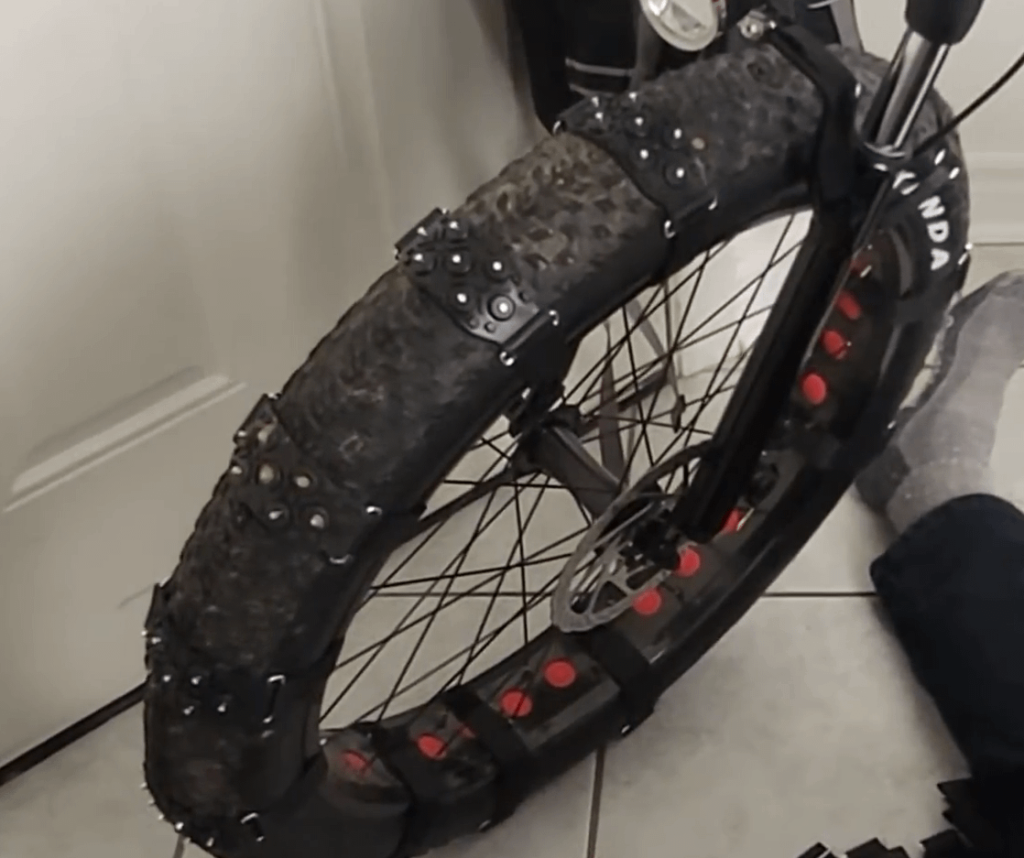
Equip bike tires with chains or studs to improve traction on icy roads. Ensure proper installation for safety. Choose the right size and type for your tires to enhance grip effectively.
When To Use Chains
Chains help in heavy snow. They give better traction on icy roads. Use them when the snow is deep. Chains are great for slippery hills. They make biking safer in winter. Always check the rules for chains. Some places do not allow them. Chains can damage roads if used wrong.Installing Studs For Extra Grip
Studs are small metal parts. They fit into tire treads. They help grip icy surfaces. Studs are useful in light snow. They are easy to install. Make sure your tires are clean before installing. Studs wear out over time. Replace old studs for better grip. Studs can be used with regular tires. `Maintaining Tires In Winter
Keep bike tires clean for safety in winter. Dirt and debris can hide tire problems. Use water and mild soap to wash tires. Rinse them thoroughly. Check tires for cuts and punctures. Look for stones or glass stuck in them. Make sure tire treads are not worn out. This helps prevent slipping on icy roads. Inspect tire pressure weekly. Cold air can reduce tire pressure. Low pressure can cause accidents.
Store bike tires in a cool, dry place. Avoid direct sunlight and heat sources. Heat can damage rubber and cause cracks. Use tire covers for protection. Keep tires off the ground. Hang them on hooks or place them on shelves. Rotate stored tires every few weeks. This prevents flat spots from forming. Check stored tires for any signs of damage regularly.

Credit: apps.bikeedmonton.ca
Safety Precautions
Ensure bike tires are properly inflated for better grip on icy roads. Inspect tread patterns for adequate traction. Switch to winter-specific tires for enhanced safety during cold months.
Navigating Icy Roads
Bike tires need special care on icy roads. First, check the tire pressure. Low pressure can help grip the ice better. Next, add studded tiresfor extra traction. These tires have tiny metal spikes. They dig into the ice and snow. Always ride slowly and carefully. Sudden turns can be dangerous. Keep a safe distance from other vehicles. This gives more time to stop safely.
Avoiding Common Mistakes
Many riders forget to check their brakes. Make sure they work well in cold weather. Never use summer tires in winter. They can slip easily. Always clean your tires after each ride. Dirt and salt can damage them. Check for any cuts or cracks. Replace tires if they look worn out. This keeps you safe on winter roads.
Frequently Asked Questions
How To Prep Your Bike For Winter?
To prep your bike for winter, clean and lubricate the chain. Check tire pressure and switch to winter tires. Inspect brakes and cables for wear. Apply a protective wax or oil to the frame. Store indoors or cover with a weather-resistant tarp.
How To Prepare Your Tires For Winter?
Switch to winter tires for better traction. Check tire pressure weekly as cold reduces it. Ensure tread depth is at least 3mm for safety. Rotate tires for even wear. Keep them clean to avoid salt damage.
What Are The Downsides Of Studded Tires?
Studded tires cause road damage, especially on asphalt. They increase road noise and reduce fuel efficiency. Some regions restrict their use due to environmental concerns. They can also negatively impact handling on dry surfaces, making them less versatile than all-season or winter tires.
How To Warm Up Bicycle Tires?
To warm up bicycle tires, ride at a moderate pace for 5-10 minutes. This generates friction, increasing tire temperature for better grip. Ensure your tires are properly inflated for optimal performance. Riding on smooth surfaces also aids in efficient warming.
Always check tire condition before starting.
Conclusion
Preparing bike tires for winter is essential for safe rides. Keep tires clean and dry. Check for damage and replace worn ones. Maintain proper air pressure for better grip. Use winter-specific tires for icy conditions. Apply tire sealant to prevent flats.
Regularly inspect and adjust tire pressure. These steps ensure your bike stays ready for winter rides. Enjoy smooth, safe biking even in cold weather. Always prioritize safety and tire maintenance. Your bike will thank you. Plus, riding becomes more enjoyable.
Stay safe, stay prepared, and keep pedaling through winter’s chill.



