
Imagine this: you’re ready for a thrilling ride on your bike. The sun is shining, the air is fresh, and the path stretches out invitingly before you.
But just as you’re about to set off, something feels off. Your bike isn’t handling quite right, and the ride isn’t as smooth as you’d hoped. Sound familiar? The culprit could be as simple as your tire pressure. Neglecting tire pressure can turn an exciting adventure into a frustrating experience.
But don’t worry—checking your bike tire pressure is quick and easy, and it can dramatically improve your ride. You’ll discover how to check your bike’s tire pressure effortlessly, ensuring that every ride is safe and enjoyable. Whether you’re a seasoned cyclist or just starting out, understanding this simple maintenance task can make all the difference. Ready to ensure your bike is always at its best? Let’s dive in and learn how.

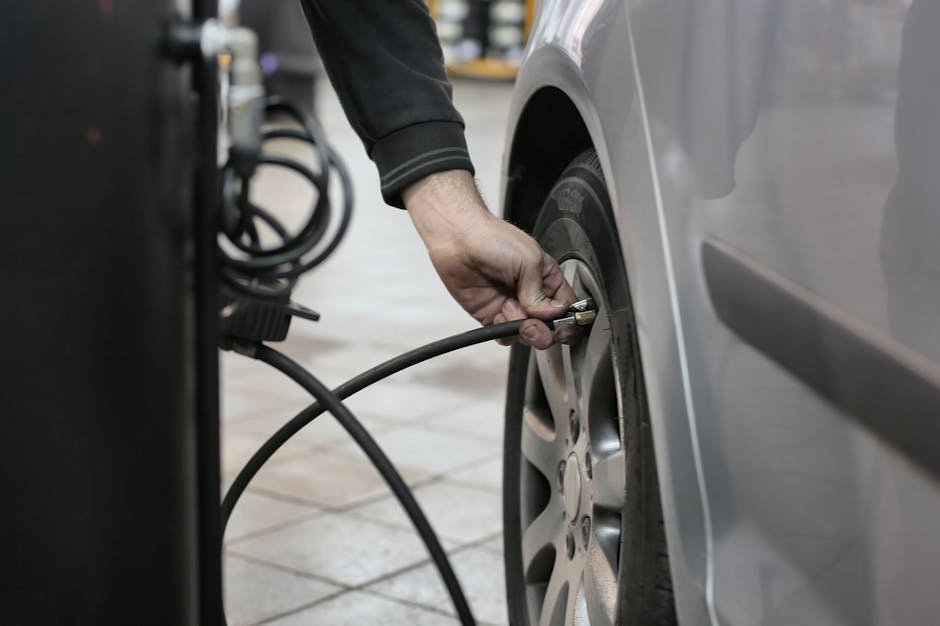
Credit: www.tabvelo.com
Importance Of Proper Tire Pressure
Having the right tire pressure keeps the ride safe and smooth. Tires with low pressure can make biking hard and unsafe. High pressure can make tires burst. Proper tire pressure helps tires last longer. It makes biking easier. Tires grip the road better. This helps prevent accidents. Always check tire pressure before a ride. Use a pressure gauge to check it. Keep a record of the right pressure for your bike.
Tools Needed For Tire Pressure Check
- Tire Pressure Gauge: This tool measures the air in the tire.
- Air Compressor: Used to add air if the tire is low.
- Pump: A manual or electric pump can inflate tires.
- Valve Caps: Always have extra caps to cover the valves.
- Owner’s Manual: Check the manual for correct pressure levels.
Having the right tools ensures a smooth tire check process. Keep them handy and in good condition. Regularly check your bike tires for safe rides. Proper tools help maintain your bike’s performance and safety.
Step-by-step Pressure Check Guide
Find the valve on your bike tire. It usually sticks out. Make sure it’s clean and free from dirt. This helps in getting a good connection.
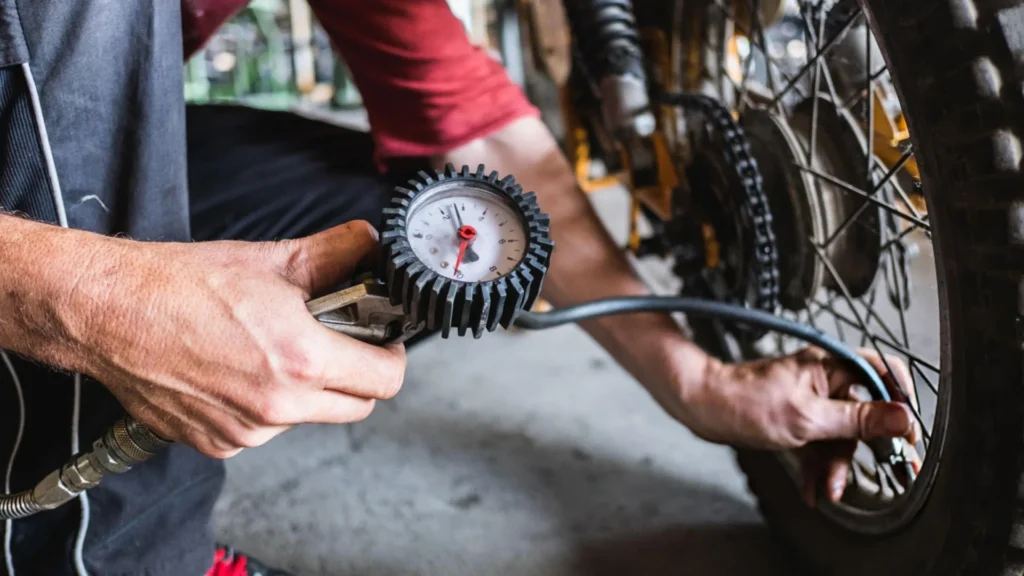
Connect the pressure gauge to the valve. Press it firmly to avoid air leaks. Listen for any hissing sounds. A good connection means no air escape.
Check the numbers on the gauge. Look for the psi reading. Compare it with the recommended tire pressure. This info is often on the tire side.
If pressure is too low, add more air. Use a pump to fill the tire. If it’s too high, release some air. Press the valve to let air out. Check pressure again to ensure it’s correct.
Common Mistakes In Tire Pressure Checks
Checking tire pressure can be tricky. Many people make common mistakes. Using a wrong gauge is a big mistake. Not all gauges are accurate. Digital gauges are often more precise. Another mistake is checking pressure when tires are hot. Hot tires give incorrect readings. It’s best to check when they are cold. Not checking regularly is also a mistake. Tires lose pressure over time. Regular checks keep them in good condition. Ignoring the manufacturer’s recommendation is risky. Always follow the recommended pressure. This ensures safety. Overinflating or underinflating tires is dangerous. Both can cause accidents. Keep an eye on tire condition too. Tires can have hidden problems. Regular checks can spot these early. This saves money and trouble.
Tips For Maintaining Optimal Pressure
Checking your bike’s tire pressure is essential. Use a reliable gauge for accuracy. Make it a habit to check weekly. Proper pressure ensures a smoother ride. It also extends tire life. Low pressure can cause tire damage. High pressure might lead to bursts. Keep a small pump handy. It helps in quick adjustments. Always check before long rides.
Temperature affects tire pressure. Cold weather decreases pressure. Warm weather increases it. Always adjust pressure with season changes. Check more frequently during temperature swings. This keeps your ride safe and comfortable. Always know the recommended pressure range. It varies by tire type and brand.
Riding on rough terrains? Lower pressure slightly. It improves grip and comfort. On smooth roads, maintain normal pressure. This ensures better speed. Wet conditions need careful checks too. Proper pressure prevents slipping. Always think about where you’ll ride. Adjust accordingly for the best experience.

Credit: www.tiktok.com
Benefits Of Correct Tire Pressure
Correct tire pressure keeps you safe. Tires grip the road better. Slips and skids happen less. Brakes work best with right pressure. Safety is number one.
Bikes run smoothly with good tire pressure. Speed and control improve. It feels like gliding on the road. Less effort is needed to pedal. Your ride is easy and fun.
Right pressure helps tires last longer. Too much pressure wears the middle. Too little pressure damages the edges. Balanced pressure is the key to long tire life. Save money on fewer replacements.
Credit: www.bsemotor.com
Frequently Asked Questions
How Do I Know What Tire Pressure For My Bike?
Check your bike’s tire sidewall for the recommended pressure range. Typically, road bikes need 80-130 psi, mountain bikes 30-50 psi. Consult your bike’s manual or manufacturer’s website for specific guidelines. Use a reliable pressure gauge to ensure accurate measurement. Adjust based on riding conditions and personal comfort.
How To Know If Tire Pressure Is Low On A Bike?
Check for a softer feel when pressing the tire. Use a pressure gauge for accurate measurements. Look for reduced speed or increased effort when riding. Inspect for visible tire deformation or bulges. Regularly compare against the recommended PSI listed on the tire sidewall.
Where Can I See My Bike Psi?
Check your bike’s PSI on the side of the tire. Look for a label or embossed marking indicating the recommended PSI range. Ensure your tire pressure gauge matches this number for optimal performance and safety. Regularly monitoring PSI helps maintain a smooth ride and prevents potential tire damage.
Can You Use A Car Tire Pressure Gauge On A Bike?
Yes, you can use a car tire pressure gauge on a bike. Ensure the gauge fits the bike valve type, either Schrader or Presta. Car tire pressure gauges work well for Schrader valves commonly found on bikes. For Presta valves, an adapter may be required.
Always check compatibility first.
Conclusion
Checking bike tire pressure is essential for safe rides. Proper pressure ensures smoother and more efficient cycling. Always use a reliable gauge for accurate readings. Regular checks prevent flat tires and keep your bike running smoothly. Don’t forget to adjust pressure based on terrain and weather.
Consistent maintenance helps prolong tire life and improve performance. Make it a habit to inspect tires weekly. Your bike will thank you with better rides. Stay safe, enjoy cycling, and keep those tires in top shape. Happy biking!



