
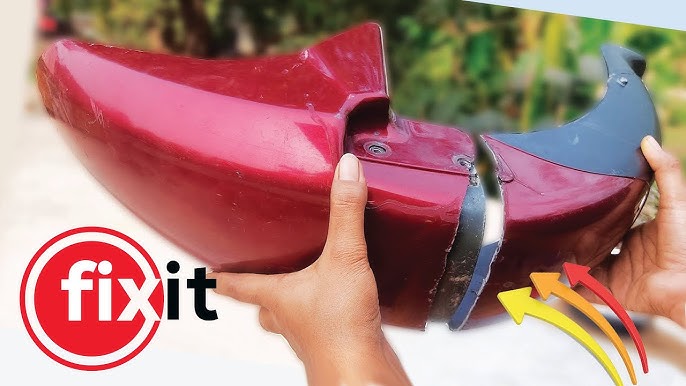
Have you ever found yourself ready for a ride, only to discover your bike fender is broken? It’s frustrating, isn’t it?
A broken fender can turn a smooth ride into a messy ordeal, leaving you splattered with mud or rainwater. But don’t worry; fixing a broken bike fender is easier than you might think. Whether your fender is cracked, bent, or hanging loose, you can restore it with a few simple steps.
Imagine the satisfaction of knowing you’ve saved time and money by handling the repair yourself. Plus, you’ll be back on the road, enjoying the ride without a hitch. Stick around, and let’s get that fender fixed and your bike back in pristine condition!

Credit: www.youtube.com
Assessing The Damage
Inspect the bike fender for cracks, bends, or missing pieces. Identify the damage severity to decide repair steps.
Identifying Cracks And Breaks
Cracksbreaksin a bike fender need checking. Look closely for any visible damage. Use your fingers to feel for bumps or rough edges. These can show where the fender is broken. Sometimes, cracks are tiny. You might need a flashlight to see them. Do not miss any small breaks. They can become big problems later.Evaluating Fender Material
Bike fenders come in different materials. Common ones are plastic and metal. Each has different strengths. Plastic is light but can crack easily. Metal is stronger but may bend. Check your fender’s material. This helps in deciding how to fix it. Knowing the material tells you the right tools to use. `Gathering Necessary Tools
Gather essential tools like a screwdriver, pliers, and adhesive tape. These will help fix your bike fender efficiently. Keep them handy for quick repairs.
Basic Repair Kit Essentials
A basic repair kit is very important. It should include a wrench and screwdriver. A tire pump is also needed. Protective gloves will keep your hands safe. Cleaning cloths are useful too.
Specialized Tools For Fender Repair
Some tools are special for fender repair. Fender brackets help in holding fenders. Adjustable spanners are needed for tightening. A rubber mallet helps in shaping fenders. Plastic welder can fix cracks. Epoxy resin seals damages.
Cleaning And Preparing The Fender
Cleaning and Preparing the Fender Begin by removing any dirt or debris from the broken bike fender. Use a soft cloth or sponge with mild soap and water. Make sure the surface is clean and dry before proceeding to the repair process.
This ensures better adhesion for any glue or tape used to fix the fender.
Removing Dirt And Debris
First, wipe off any loose dirt using a clean cloth. Use a soft brush for stubborn debris. Warm, soapy water helps in washing away grime. Gently scrub the fender with the soapy solution. Rinse thoroughly with clean water. Make sure no soap is left on the fender. Inspect the fender for any remaining dirt. Repeat the process if needed.
Drying The Fender Thoroughly
Pat the fender dry with a towel. Ensure every part is dry to the touch. Moisture can cause rust or damage. Allow the fender to air dry completely in a sunny spot. Check for any wet areas before proceeding. A fully dry fender is crucial for repairs. This step prepares the fender for fixing.

Credit: www.instagram.com
Repairing Plastic Fenders
Repairing plastic fenders on a bike involves cleaning the area and using strong adhesive to mend cracks. Sand the surface gently for better adhesion, then clamp the pieces until the glue sets. Finish by sanding again and painting if necessary to restore appearance.
Using Epoxy Or Plastic Welding
Epoxy fixes cracks well. Clean the damaged area first. Mix epoxy according to instructions. Apply it to the crack with a brush. Let it dry. Plastic welding is another option. Heat the plastic with a welding tool. Push the melted plastic into the crack. This seals the crack effectively. Practice makes perfect with this method.
Reinforcing With Fiberglass Cloth
Fiberglass cloth strengthens fenders. Cut a piece slightly larger than the damage. Clean the fender surface. Apply resin over the cracked area. Place the fiberglass cloth on the resin. Press it down gently. Add more resin on top. Smooth it out with a brush. Let it dry completely. The fender becomes tough with this reinforcement.
Fixing Metal Fenders
Fixing a broken bike fender requires a few simple tools. First, identify the damage and gather necessary materials. Then, realign any bent parts and secure them with screws or bolts. A little patience and care can restore your fender’s functionality and appearance.
Straightening Bent Metal
First, remove the fenderfrom the bike. Use a rubber malletto gently tap the bent areas. This helps in straightening the metal. Place the fender on a flat surface. Press down with your hands to further flatten it. If the bends are severe, a vicecan be useful. Place the fender in the vice and tighten slowly. Check often to avoid over-tightening. Repeat these steps until the fender is flat.
Sealing With Metal Adhesive
Clean the fender with a damp cloth. Make sure it’s dry before applying adhesive. Use a metal adhesivefor best results. Apply a thin layer on the damaged area. Press the pieces together firmly. Hold them in place for a few minutes. Allow the adhesive to dry completely. Check the label for drying time. Once dry, reattach the fender to your bike.

Credit: www.amazon.ca
Reattaching The Fender
Secure the broken bike fender with zip ties or screws. Align it properly to ensure stability. Test the fender’s position by gently shaking the bike.
Aligning With Bike Frame
Place the fenderin line with the bike’s frame. Ensure it matches the wheel’s curve. This helps in proper fitting. Avoid any tilts or bends. Check the alignment from all angles. Adjust if needed. The fender should not touch the wheel. Make sure there’s enough space. This prevents friction. Friction can damage both fender and wheel.
Securing With Bolts And Brackets
Use boltsand brackets to secure the fender. First, insert the bolts in the holes. Tighten them with a wrench. Do not over-tighten. This can break the bolts. Attach the brackets for extra support. Check their position carefully. They should hold the fender firmly. Test by gently shaking the fender. It should not move. If it does, tighten the bolts again.
Final Touches
Gather tools like a wrench and screwdriver for the repair. Remove the fender carefully to check for cracks or damage. Secure loose parts with screws and tighten bolts to ensure stability.
Sanding For Smooth Finish
Use fine sandpaper to make the fender smooth. Rub gently on the surface. Check often to avoid removing too much. A smooth surface helps in the next step. Make sure the fender feels even. No rough spots should be left. Wipe off the dust with a clean cloth.
Applying Protective Coating
Choose a clear protective spray for the fender. Shake the can well before using. Spray evenly from a distance. Let the first layer dry completely. Apply a second layer for better protection. This keeps the fender safe from rain and sun. Wait for it to dry before using the bike.
Preventive Measures
Keep your bike fender clean to avoid damage. Use a soft cloth and water. Check the fender screws and bolts. Tighten them if they are loose. Look for cracks or bends in the fender. Fix them quickly to prevent bigger problems. Store your bike in a safe place. This keeps the fender safe from harsh weather. Inspect your bike regularly for any signs of wear.
Select fenders made from strong materials. Aluminum and stainless steel are good choices. They last longer and resist rust. Plastic fenders are lightweight but can break easily. Choose wider fenders for better protection. They stop more mud and water. Check the fender size before buying. Make sure it fits your bike correctly. A good fit helps in protecting your bike better.
Frequently Asked Questions
Can A Cracked Fender Be Repaired?
Yes, a cracked fender can be repaired. Professionals use methods like welding, patching, or replacing. Repairing is often cost-effective compared to replacement. Seek an experienced technician for best results. Regular inspection prevents further damage, ensuring safety and maintaining vehicle value.
How To Make Diy Bike Fenders?
Cut old plastic bottles or PVC pipe to shape. Attach them to your bike frame using zip ties. Ensure they cover the wheel’s width for maximum protection. Personalize with paint or stickers for style. Test for stability and adjust as needed.
Enjoy a cleaner ride with your DIY bike fenders.
How To Repair Cracks In Plastic Fenders?
Clean the crack and surrounding area thoroughly. Use a plastic repair kit to fill and seal the crack. Sand the repaired area smoothly. Paint over the repair to match the fender’s color. Ensure proper curing time for the best results.
How Much Does It Cost To Fix A Broken Fender?
Repairing a broken fender typically costs between $200 and $600. Pricing depends on damage severity, vehicle type, and labor rates. Complex repairs or luxury vehicles might increase costs. Get quotes from multiple repair shops for accurate estimates.
Conclusion
Fixing a broken bike fender is simpler than it seems. Gather your tools and materials. Carefully remove the damaged fender. Check for any cracks or missing parts. Replace or repair where needed. Reattach the fender securely. Test your bike for stability.
Enjoy smooth rides with a fixed fender. Regular maintenance prevents future issues. Riding with confidence feels great. Share these tips with fellow cyclists. Keep exploring the world on two wheels. Happy cycling!



