
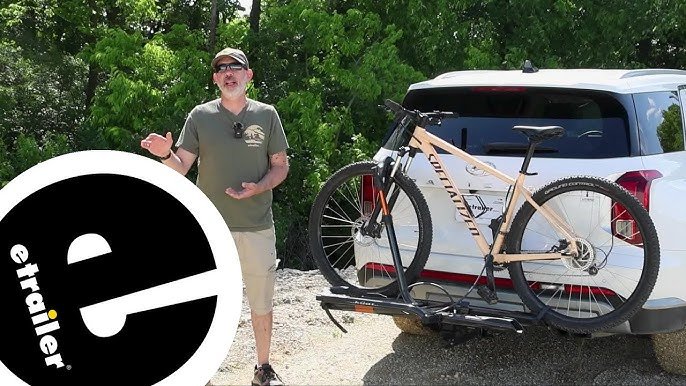
Ever felt the thrill of hitting the open road with your bike securely mounted on your vehicle? It’s an exhilarating experience, but only when you know your bike is safely attached to the rack.
Imagine driving down the highway, the wind in your hair, and suddenly wondering if your bike is secure enough to withstand the journey. Your heart races, doesn’t it? Ensuring your bike’s safety can turn that anxiety into a confidence boost.
You deserve peace of mind every time you set off for an adventure. This guide will give you the secrets to mastering the art of securing your load on a bike rack, so you can focus on the road ahead without second-guessing. From choosing the right straps to understanding the nuances of different rack types, you’ll find everything you need to avoid any mishaps. Dive in and discover how you can make your biking trips stress-free and enjoyable.
Credit: traveltrailsail.com
Choosing The Right Bike Rack
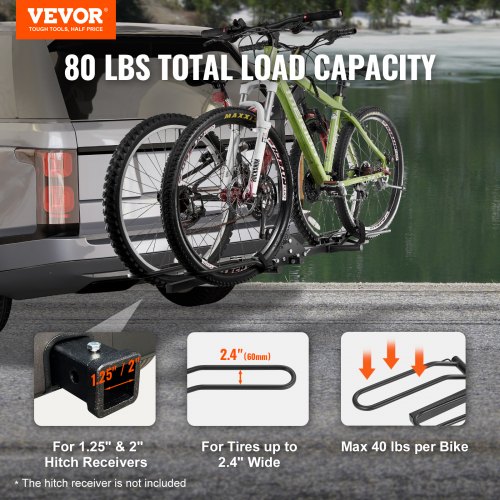
There are different bike racks available. Each type has its own use. Trunk-mounted racksare easy to install. They fit on car trunks. Hitch-mounted racksattach to the car’s hitch. They hold more bikes. Roof-mounted racksplace bikes on the car’s roof. They need a roof rack system. Understanding these types helps in picking the best rack.
It’s important to check if the rack fits your car. Measure the car’s width and height. Ensure the rack is strong enough. Check the rack’s weight limit. Some racks need special mounts. Others fit most cars easily. Always read the rack’s manual before buying. This ensures it suits your needs and vehicle.
Preparing Your Bike
Check your bike for any loose parts. Make sure the wheels are tight. Look at the brakes and gears. They should work well. Clean the bike if it is dirty. Dirt can make the bike slip. Check the tires for air. They should be firm and not flat.
Take off any extra items on the bike. Remove baskets and lights. Take off bells and mirrors. These can fall off on the road. They make the bike harder to secure. Keep them in a safe place. Put them back after the trip.
Positioning The Bike On The Rack
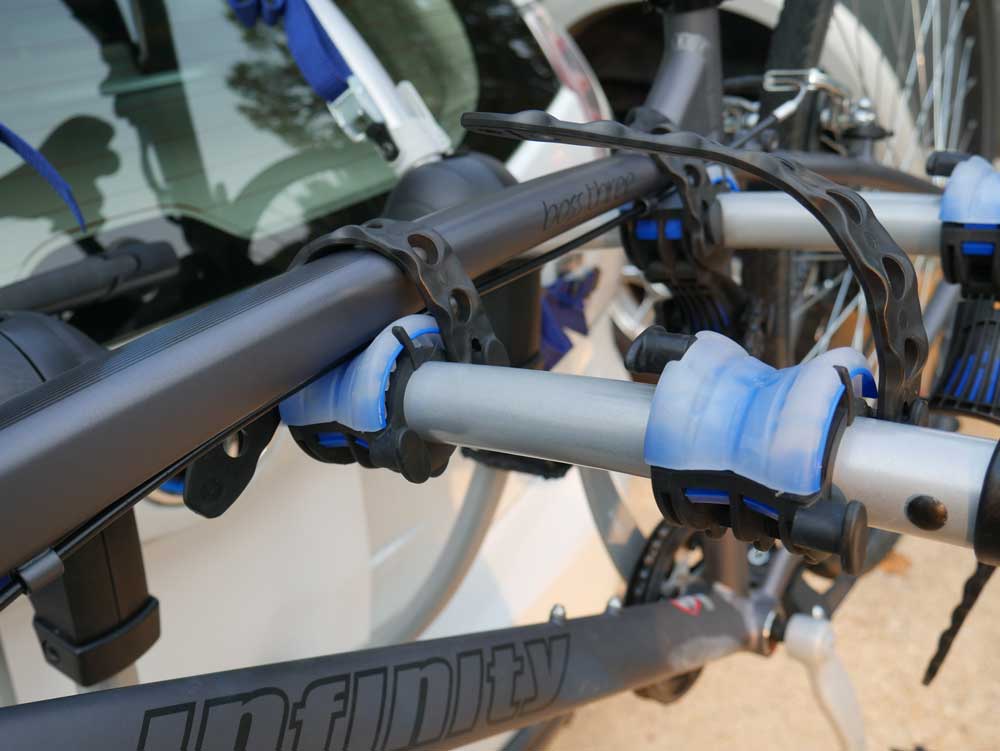
Balancing the Loadis essential for a smooth ride. Place the bike in the center of the rack. This helps keep the weight even. Ensure the bike frame is secured. Use strong straps or clips. Check that the bike doesn’t wobble. A firm hold prevents accidents. Always double-check the balance before moving.
Aligning the Wheelsmakes a big difference. Make sure both wheels are straight. They should not tilt or lean. Tighten any loose parts. Use wheel straps for extra safety. This keeps the bike steady on the rack. Proper alignment avoids damage during travel. A quick check ensures a safe journey.
Credit: gearjunkie.com
Securing With Straps And Ties
Securing a load on a bike rack is crucial for safe travel. Straps and ties keep items stable during the ride. They prevent shifting and ensure everything stays in place.
Choosing The Right Straps
Select strong straps for your bike. Look for durable materials like nylon. Avoid thin or easily breakable straps. Velcro straps are easy to use. Ratchet straps offer a tight grip. Check the strap length to fit your load. Choose weather-resistant straps for rain or sun. Strong buckles help secure the strap tightly. Avoid old straps with frays or tears.
Proper Strap Placement
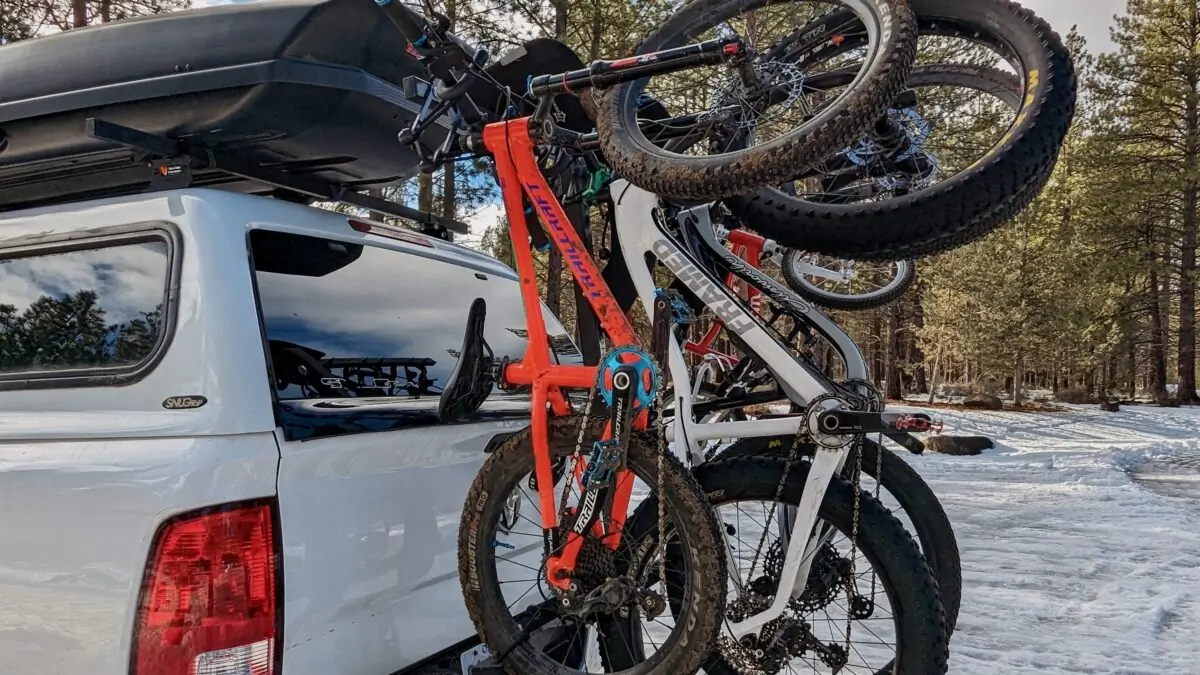
Place straps over the bike’s frame. Secure the wheels with extra straps. Tighten the straps to avoid movement. Ensure straps are not loose or hanging. Cross the straps for added security. Check the straps after a short ride. Adjust straps if they become loose. Avoid covering vital bike parts with straps. Ensure visibility for cars behind you.
Utilizing Locking Mechanisms
Bike racks need strong locks. A U-lockis very strong and hard to break. It works well with most bikes. Cable locks are flexibleand can wrap around more parts. Chain locks are strong but heavy. Choose based on your needs. Lock types offer different levels of security. Always check the lock’s strength.
Place locks on the bike frame. This part is the strongest. A wheel can also be locked. Use a U-lockfor the frame. Use a cable lock for the wheels. Make sure the lock is tight. Loose locks are easy to break. Always double-check that it’s secure.
Credit: www.vevor.com
Double-checking Stability
Ensure the bike is not wobbly on the rack. Push and pull gently to test stability. If it moves, it needs adjustment. Check all straps and locks for tightness. Make sure the bike is secure and won’t fall. A stable load is crucial for safety.
Testing For Movement
Check for any shaking or swaying. Use your hands to feel for movement. Even slight motion can be dangerous. A stable bike ensures safe travel. If it moves, adjustments are necessary.
Adjusting As Necessary
Readjust straps if the bike is loose. Tighten locks for better stability. Ensure all parts are secure. Double-check everything after adjustments. Repeat if needed until the bike is stable.
Safety Precautions
Securely fasten loads on bike racks using sturdy straps or bungee cords. Check for tightness before every ride to ensure safety. Regularly inspect the rack and load for any signs of movement or wear.
Driving Considerations
Keep your bike rack firmly attached. Check it before driving. Secure all bikes properly. Ensure no parts are hanging loose. Adjust your mirrors to see the rack. Drive slower with heavy loads. Avoid sudden stops or sharp turns. Parking requires extra care. Choose wider spaces if possible. Watch out for low bridges or barriers.
Regular Checks During Travel
- Stop often to check the rack.
- Make sure bikes remain secure.
- Inspect straps and locks regularly.
- Verify nothing is moving or loose.
- Listen for unusual noises from the rack.
- Double-check before entering highways.
Frequently Asked Questions
How To Make A Bike Rack More Secure?
Use a sturdy lock to secure your bike. Install the rack on a solid surface, ensuring all bolts are tight. Consider adding security lights and cameras nearby. Regularly inspect for wear and tear to prevent theft. Choose a high-quality rack designed for security.
How To Load A Heavy Bike On A Bike Rack?
Lift the bike onto the rack, aligning wheels with the grooves. Secure it using straps or clamps. Ensure the bike is stable and double-check all attachments. Adjust and tighten straps if needed to prevent any movement. Confirm that the bike is securely fastened before driving.
What Is The Difference Between Bolt On And Clamp On Bike Racks?
Bolt-on bike racks require tools for installation, providing a stable fit. Clamp-on racks attach easily without tools, offering quick removability. Bolt-on is ideal for permanent use, while clamp-on suits temporary needs. Choose based on installation preference and usage frequency.
How To Prevent Bike Rack Theft?
Secure your bike rack using a high-quality lock. Install the rack in a well-lit, visible area. Use security bolts and anti-theft devices. Regularly check for signs of tampering. Register your bike and rack with local authorities.
Conclusion
Securing a load on your bike rack is essential for safety. Always double-check straps and fasteners before riding. Use bungee cords or tie-downs for extra stability. Check the load’s weight and balance to avoid mishaps. Regularly inspect your bike rack for wear and tear.
A secure load means a safer journey for you and your bike. Happy riding with confidence! Keep safety in mind every time you hit the road. Enjoy the ride, knowing your load is secure. Stay safe and keep pedaling!



