
Imagine riding your bike down a muddy trail, only to have dirt splashed all over you. Annoying, right?
That’s why knowing how to mount fenders with your suspension fork can be a game-changer for your biking experience. You want to keep yourself clean and your ride smooth, and that’s exactly what you’ll learn here. Why struggle with wet clothes or mud-splattered gear when you can enjoy a clean and comfortable ride?
With the right tips and tricks, you can easily install fenders that fit perfectly with your suspension fork, keeping you dry and enhancing your biking adventures. You’ll discover simple, step-by-step instructions designed to make the process hassle-free, even if you’re not a bike mechanic. Stay with us, and you’ll soon enjoy every ride without the mess. It’s time to take control of your biking comfort and efficiency. Dive in and find out how easy it can be to revolutionize your cycling experience.

Credit: www.amazon.ca
Choosing The Right Fenders
Mounting fenders on a suspension fork requires careful alignment and secure attachments. Ensure proper clearance between the fender and the tire. Use the correct mounting brackets and screws for stability.
Types Of Fenders
Different fenders fit different bikes. Clip-on fenders are easy to use. They are great for quick rides. Full-length fenders cover more space. They keep you dry in the rain. Mountain bike fenders are strong and tough. They work well on rough paths.Material Considerations
Fenders come in various materials. Plastic fenders are light and cheap. They are good for city rides. Metal fenders last longer. They are strong and sturdy. Carbon fiber fenders are very light. They are used in races. Each material has its own benefits.Compatibility With Suspension Forks
Not all fenders fit suspension forks. Check the fork design first. Some fenders need special mounts. Look for adjustable fenders for the best fit. They work well with many bikes. Always read the instructions. It helps in choosing the right fender. `Tools And Equipment Needed
Essential tools for mounting fenders with suspension forks include screwdrivers, Allen wrenches, and adjustable spanners. Ensure you have cable ties and mounting brackets for secure attachment. A measuring tape helps align fenders accurately for optimal performance.
Essential Tools
You need a few tools to mount fenders. A wrenchis important for loosening and tightening bolts. A screwdriverhelps attach screws securely. Keep a drillhandy for making holes if needed. A tape measureensures accurate measurements. These tools make the job easier and quicker.
Optional Accessories
Sometimes, accessories can be helpful. A rubber malletcan adjust fitting without damage. Zip tieshold parts together temporarily. Protective gloveskeep your hands safe from sharp edges. Cleaning clothsremove dirt before installation. These accessories are not necessary but can be useful.
Preparing The Bike
Start by making sure the fork area is clean. Dirt can cause problems during installation. Use a soft cloth to wipe away any grime. A gentle cleaner can help remove stubborn dirt. Make sure everything is dry before proceeding. This will ensure a smooth installation process.
Check the fork for any signs of damage. Look for cracks or bends that could affect performance. Ensure all parts are in good condition. Tighten loose screws and bolts. This helps the fender to stay secure. If any parts are damaged, consider getting them fixed. A well-maintained fork makes mounting easier.

Credit: www.facebook.com
Installation Process
Mounting fenders on a suspension fork requires a few simple steps. First, select the right fender type for your fork. Ensure compatibility with your bike model. Then, secure the fender using the provided brackets. Finally, adjust for proper alignment and clearance.
Attaching Front Fender
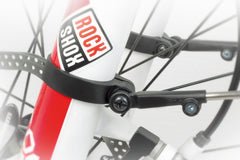
Start by securing the front fender to the fork. Use the bracket and screwsprovided. Align the fender with the tire. Ensure it is centered properly. Tighten the screws firmly. Double-check the alignment. There should be no wobbling.
Mounting Rear Fender
Position the rear fender above the tire. Use the attachment pointsnear the seat post. Fasten the fender using the provided bolts. Ensure the fender is aligned with the tire. Tighten the bolts securely. Check for any movement.
Adjusting For Clearance
Ensure there is enough space between the fender and tire. Adjust the fender height if needed. Ensure no contact with the tire. Spin the wheels to test. Listen for any rubbing sounds. Make further adjustments if necessary. Secure all parts tightly.
Troubleshooting Common Issues
Mounting fenders on a suspension fork can prevent mud splashes. Ensure compatibility with your bike’s fork. Secure the fender brackets tightly to avoid rattling during rides.
Dealing With Fender Rattling
Fender rattling can be very annoying. Check if all screws are tight. Loose screws cause noise. Use rubber washers to reduce vibrations. They act like cushions. Make sure the fender is aligned well. Misalignment causes rattling. Test ride after adjustments. Listen for any noise. If rattling continues, inspect again. Sometimes, moving parts need a check. Look at the suspension fork area. Ensure nothing is loose there.
Ensuring Proper Clearance
Clearance is vital for smooth rides. Check the space between fender and tire. Too close causes rubbing. Make sure the fender does not touch the tire. Use spacers if needed. Spacers create more room. Adjust the fender height carefully. Observe the fork movement. Forks move up and down. Ensure nothing blocks this motion. Proper clearance prevents wear and tear. Test in different terrains. Confirm the fender stays in place.

Credit: www.reddit.com
Maintenance Tips
Mounting fenders on a suspension fork requires the right tools and precision. Ensure compatibility with the fork and secure with the correct brackets. Adjust the fender alignment to prevent tire rub.
Regular Checks And Adjustments
Check your fender mounting bolts often. Make sure they are tight. Loose bolts can cause noise and damage. Inspect the fender for cracks or bends. Adjust them if they touch the tire. Ensure the fender is aligned properly. This helps in smooth biking.
Cleaning And Care
Keep your fenders clean. Use a soft cloth and mild soap. Dirt can build up and cause problems. Rinse with water to remove soap. Dry them completely to avoid rust. Check for any loose parts during cleaning. Tighten them for safety.
Safety Considerations
Always wear a helmet when riding. Keep your bike well-maintained. Check brakes regularly for safety. Ensure fenders are securely attached. Loose fenders can be dangerous. Avoid distractions while riding. Stay focused on the road ahead. Bright clothes improve visibility to others. Riding at night requires lights. Stay alert for cars and pedestrians.
Impact On Suspension Performance
Fenders can affect suspension movement. They add weight to the bike. This might slow down suspension response. Proper installation is critical for performance. Incorrect mounting can hinder suspension travel. Regular checks ensure fenders don’t interfere. Prioritize suspension function when adding accessories. Balance is key for smooth riding.
Riding In Various Conditions
- Rain: Fenders keep water off you.
- Mud: Protects clothes from dirt.
- Snow: Reduces spray on cold days.
- Gravel: Shields against flying stones.
Choose fenders that fit your riding style. Look for durable materials for long-lasting use. Consider removable fenders for different terrains.
Frequently Asked Questions
How To Use A Lockout Suspension Fork?
Activate the lockout lever on the fork for a firmer ride on smooth surfaces. Release it for rough terrains to allow full suspension travel. Always ensure the lockout is off when riding over bumps to prevent damage. Regularly check your bike’s manual for specific instructions.
Is It Illegal To Have No Front Fender On A Motorcycle?
Laws about front fenders vary by region. Some areas require them for safety and compliance. Check local regulations to ensure your motorcycle meets legal standards. Riding without a front fender might lead to fines or safety issues. Always prioritize safety and legal compliance for a smooth riding experience.
Which Is Better, Rigid Fork Or Suspension?
Rigid forks are lighter and offer better efficiency on smooth surfaces. Suspension forks provide comfort and control on rough terrain. Choose based on your riding style and terrain. For mountain biking, suspension is better. For road cycling, rigid forks are preferred.
Each type has its specific advantages and disadvantages.
Do Clip-on Fenders Work?
Yes, clip-on fenders work well for keeping mud and water off bikes. They are easy to install and remove. Ideal for temporary use, they provide good coverage and are lightweight. Choose clip-on fenders for quick protection during rainy rides without permanent installation.
Conclusion
Mounting fenders on a suspension fork is straightforward with the right steps. Start with the correct tools. Follow each step carefully. Check alignment to avoid rubbing. Tighten bolts securely. Ensure the fender does not interfere with the fork’s movement. Test the fender by riding on varied terrain.
Adjust if necessary for a smooth ride. Proper mounting protects you from mud and water. Keeps your ride clean and comfortable. Enjoy the benefits of a well-installed fender. Happy cycling with your newly mounted fender!



