
Imagine this: You come back to your bike after a long day, ready to head home, only to find your lock stuck or worse, broken. Frustrating, right?
You depend on your bike lock to safeguard your ride, but like any tool, it requires a bit of care to work its best. By maintaining your bike lock, you ensure it performs effectively, saving you time and stress. You’ll learn simple and practical steps to keep your lock in top shape.
Feel the relief of knowing your bike is secure with a lock that’s as reliable as your ride. Dive in and discover how easy it is to maintain your bike lock, keeping your peace of mind intact.
Choosing The Right Bike Lock
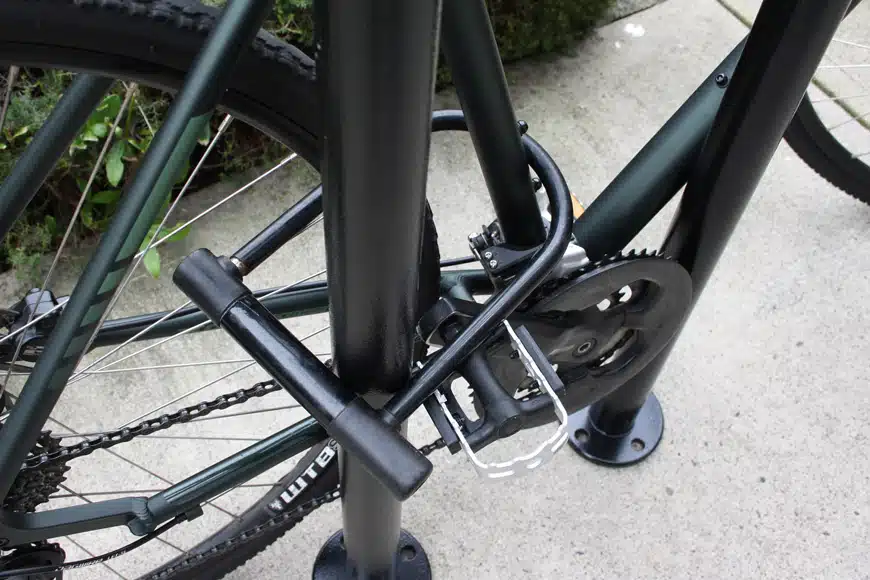
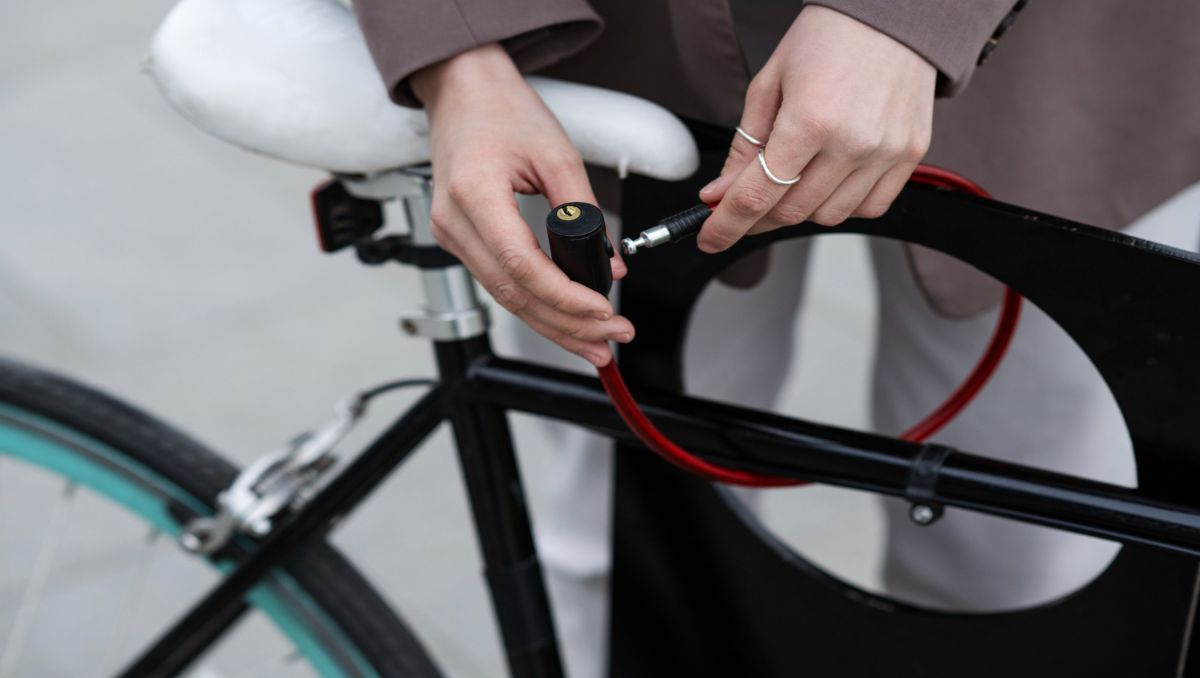
Different locks have different strengths. A U-lockis strong and hard to cut. A chain lockis flexible and can wrap around things. A cable lockis light but less strong. Folding locksare compact and easy to carry. Each type offers unique benefits for security.
Locks are made from different materials. Hardened steelis tough and durable. It can resist cutting and sawing. Titaniumis light and strong but more costly. Plastic-coveredlocks prevent scratches on your bike. Choose a lock that fits your needs and offers protection.

Credit: www.reliance-foundry.com
Regular Cleaning Techniques
Regular cleaning helps maintain your bike lock in good condition. Wipe the lock with a damp cloth to remove dirt. Use a lubricant spray to ensure smooth operation and prevent rust.
Cleaning Tools And Products
Use a soft cloth for wiping the lock. Select a gentle soap for cleaning. A small brush helps reach tiny spaces. Have a bucket of warm water ready. Choose a mild lubricant for moving parts. These tools keep your bike lock shiny.
Step-by-step Cleaning Process
- Start by soaking the cloth in warm water.
- Add a little soap to the cloth.
- Gently wipe the lock’s surface.
- Use the brush for hard-to-reach spots.
- Rinse the lock with clean water.
- Dry it with a fresh cloth.
- Apply a small amount of lubricant.
- Move the lock to spread the lubricant.
Proper Lubrication Methods
Lubricants keep your bike lock moving smoothly. Silicone sprayis great for metal locks. It prevents rust and keeps parts sliding well. Graphite powderis another choice. It works inside the lock, reducing friction. These options protect and maintain your lock. Choose one that suits your lock type.
Regular lubrication extends the life of your lock. Apply lubricant every three months. If you live in a rainy area, apply it monthly. This prevents rust and keeps your lock working well. Always check your lock for stiffness. Lubricate whenever it feels hard to turn.
Storage Tips
Keep your bike lock clean and dry to prevent rust. Apply lubricant to the lock mechanism regularly for smooth operation. Store it indoors when not in use to protect it from harsh weather.
Indoor Vs Outdoor Storage
Indoor storage keeps your bike lock dry. It is safe from rust. Outdoor storage exposes it to rain and sun. This can weaken the lock. A shed or garage is good for outdoor storage. They provide shelter. Always choose a dry place. This helps the lock last longer.
Seasonal Considerations
In winter, cold can make locks stiff. Keep locks indoors. Summer heat can cause metal to expand. Store your lock in the shade. Rainy seasons can rust locks. Cover them when stored outside. Each season affects the lock. Protect it based on weather. This keeps it strong.
Inspecting For Damage
Check for any rust on the lock. Rust can make it weak. Look for cracks or bends in the metal. These are bad signs. Make sure the lock mechanism works smoothly. Sticky locks need help. Loose parts might mean trouble. Notice any discoloration on the lock. It could show damage.
If the lock is rusty, you should clean it. Use a soft cloth and oil. For small cracks, a temporary fix might work. But a big crack means it’s time to get a new lock. If the lock doesn’t turn, try using a lubricant. If that fails, replacing the lock is safer. Always choose a strong and reliable lock for your bike.

Credit: www.youtube.com
Advanced Security Measures
Regularly inspect the bike lock for rust and wear to ensure its effectiveness. Clean and lubricate the lock mechanism to prevent jamming. Store the bike in a secure area to protect the lock from harsh weather conditions.
Using Multiple Locks
Using multiple lockscan make your bike safer. Thieves often avoid bikes with more than one lock. You can use a U-lockand a cable locktogether. This is a strong combo. Each lock should be tight and hard to reach. Make sure to lock both the wheels and the frame. This way, your bike is less likely to be stolen.
Locking Techniques
- Place the lock high off the ground.
- Make the lock tight around parts.
- Lock to a strong, fixed object.
- Choose a place with good light.
- Keep the lock away from the ground.
- Turn the keyhole facing down.
Professional Maintenance Services
Regular cleaning prevents rust on bike locks. Lubricate the lock mechanism with a light oil to ensure smooth operation. Always store your bike in a dry place to extend the lock’s lifespan.
When To Seek Expert Help
Sometimes locks get stuck or rusty. Experts fix these problems fast. If keys break inside, they have tools to remove them. Experts can also check locks for hidden damage. They know how to keep locks working well.
Finding A Reliable Service
Search online for good reviews. Ask friends for suggestions. Reliable services have trained workers. They use proper tools for repairs. You can find them in local shops or online. Always check if they are trusted and have good ratings.
Credit: reallygoodebikes.com
Frequently Asked Questions
How Do You Lubricate A Bike Lock?
Use graphite or a silicone-based lubricant for bike locks. Apply a small amount directly into the keyhole. Turn the key several times to spread the lubricant evenly. Wipe away excess lubricant from the exterior to prevent attracting dirt. Regular maintenance ensures smooth operation and increases the lock’s longevity.
Can You Use Wd-40 On A Bike Lock?
Yes, WD-40 can be used on a bike lock to lubricate and prevent rust. It helps maintain smooth operation. Avoid overuse to prevent dirt build-up. Regular cleaning and proper lubrication ensure long-lasting performance and security. Always wipe excess WD-40 to keep the lock clean and effective.
How Do You Clean A Bike Lock?
Clean a bike lock using a soft cloth and mild soap. Rinse it with water and dry thoroughly. Apply lubricant to the lock mechanism for smooth operation. Avoid harsh chemicals to prevent damage. Regular cleaning prolongs the lock’s lifespan and ensures security.
How To Fix A Bike Lock That Won’t Unlock?
Lubricate the lock with graphite or WD-40 to ease the mechanism. Ensure the key is inserted correctly. Jiggle the key gently while turning it. Check for debris or rust inside the lock. If the lock remains stuck, consult a professional locksmith for assistance.
Conclusion
Maintaining a bike lock is simple and essential. Clean it regularly to prevent rust. Lubricate the lock for smooth operation. Check for wear or damage often. Store it properly to avoid exposure to harsh weather. Remember, a well-maintained lock keeps your bike safe.
Regular care extends its lifespan. These steps ensure reliability when you need it most. Keep your bike secure with a little attention to your lock. Follow these tips for worry-free rides. Enjoy peace of mind knowing your bike is protected.



