

Have you ever been in a rush, only to find that your lock won’t budge? It’s frustrating, inconvenient, and can throw your whole day off balance.
Lock mechanisms can seize up for various reasons, but with the right care and attention, you can prevent this from happening. Imagine the peace of mind knowing that your locks are reliable and functional every time you need them. You’ll discover practical and easy-to-follow tips to keep your locks working smoothly.
By the end, you’ll be equipped with the knowledge to avoid unexpected lock mishaps, saving you time and hassle. Keep reading to unlock the secrets to a trouble-free lock mechanism!
Common Causes Of Lock Seizing
Moisturecan cause rust inside locks. Dust and dirt add to the problem. Cold weather makes locks freeze. Heat can warp lock parts. Keeping locks clean helps avoid issues.
Locks get old. Parts rub against each other. This causes wear. Frequent use speeds up wear. Old locks can jam. Replace parts to keep locks working.
Regular cleaningkeeps locks smooth. Lubrication prevents sticking. Check locks often. Fix small problems early. Clean locks with special spray. This helps them last longer.
Regular Maintenance Practices
Keep locks clean to prevent seizing. Use a soft brush to remove dirt. Avoid using water. Water can cause rust. Use a dry cloth to wipe dust. Cleaning keeps locks functioning well.
Apply lubricant to lock parts. Use a small amount of oil. Oil helps parts move smoothly. Avoid using too much oil. Too much can attract dust. Use silicon spray for best results. Silicon prevents friction.
- Check for rust regularly.
- Ensure parts are aligned.
- Look for wear and tear.
- Replace damaged parts quickly.
- Ensure key fits properly.
Choosing The Right Lubricants
Different lubricants help locks move smoothly. Oil-basedlubricants are common. They work well for metal locks. Graphiteis another option. It comes in powder form. Use it for sticky locks. Siliconespray is great for weather-exposed locks. It prevents rust.
Applying lubricants is easy. First, clean the lock with a cloth. This removes dirt. Next, spray or apply the lubricant. Use the right amount. Not too much, not too little. Turn the key to spread it. This helps the lubricant reach all parts.
Too much lubricant is bad. It attracts dust and dirt. This can make the lock sticky. Use only a small amount. Just enough to make it smooth. Wipe away excess lubricant with a cloth. This keeps the lock clean.

Credit: dublinmobilelocksmith.com
Seasonal Care Considerations
Regular maintenance keeps locks functional through all seasons. Use lubricant to prevent rust and ensure smooth operation. Regularly check and clean lock mechanisms to avoid seizing, especially in harsh weather conditions.
Winter Precautions
Cold weather can make locks freeze. Use a small amount of graphite powder. This helps the lock move smoothly. Avoid using water-based lubricants. They can freeze and cause problems. Consider using a lock de-icer spray. It can melt ice inside the lock. Keep locks clean from dirt and snow. Dirt can block the lock mechanism. A clean lock works better.
Summer Maintenance
Hot weather can dry out locks. Use oil-based lubricants to keep them working well. Check locks for rust during summer. Rust can make locks hard to open. Use a rust remover if needed. Keep locks shaded from the sun. Sunlight can make locks expand and stick. Regularly clean locks to remove dust. Dust can jam the lock mechanism.
Diy Fixes For Minor Issues
- Screwdriver: Helps open locks gently.
- Lubricant: Keeps parts moving smoothly.
- Cotton Swabs: Cleans small areas inside locks.
First, find a quiet spot to work. Use the screwdriver to open the lock cover. Be careful not to damage the lock. Next, apply lubricant to the moving parts. Lubricant helps parts move without sticking. Use cotton swabs to clean dust and dirt. Swabs reach small spaces easily.
Test the lock after cleaning. Turn the key to check if it moves smoothly. If it still feels stuck, add more lubricant. Repeat cleaning steps if needed. Regular maintenance helps prevent future problems.

Credit: www.nottinghamlocksmith.org.uk
Professional Services
Regular maintenance ensures locks stay functional. Clean and lubricate mechanisms to prevent seizing. Use graphite powder or silicone spray for smooth operation.
When To Call A Locksmith
Locks can be tricky and sometimes stop working. Call a locksmith if your key is hard to turn. They know how to fix locks without breaking them. If the lock is making strange noises, it might be stuck. A locksmith can help make it smooth again. Locks that are rusty or have broken keys need expert help. Always trust a locksmith to handle your locks safely.
Benefits Of Professional Maintenance
Professionals keep your locks in great shape. They clean and oil them, so they work well. This helps the locks last longer and stay strong. They can spot problems early before they get big. Regular check-ups mean fewer surprises and safer doors. Trust experts to give your locks the best care. It’s smart to have a pro look at your locks once a year.
Preventive Measures For Long-term Use
Regular lubrication with graphite or silicone spray keeps lock mechanisms smooth. Protect locks from moisture to prevent rust.
Quality Lock Selection
Choose locks made from durable materialslike stainless steel. These last longer. Avoid cheap locks. They wear out quickly. Check for trusted brands. They offer better security. Read reviews before buying. Make sure the lock suits your needs. Consider the environment. Wet areas need rust-proof locks. Cold weather needs locks that don’t freeze.
Proper Installation Techniques
Install locks carefully. Misalignment causes them to seize. Use the right tools. Follow instructions step by step. Hire professionals if unsure. Ensure the lock fits the door correctly. Tighten screws firmly. Loose screws cause problems. Test the lock after installation. Make sure it turns smoothly. Adjust if needed. Regular checks help keep locks working.
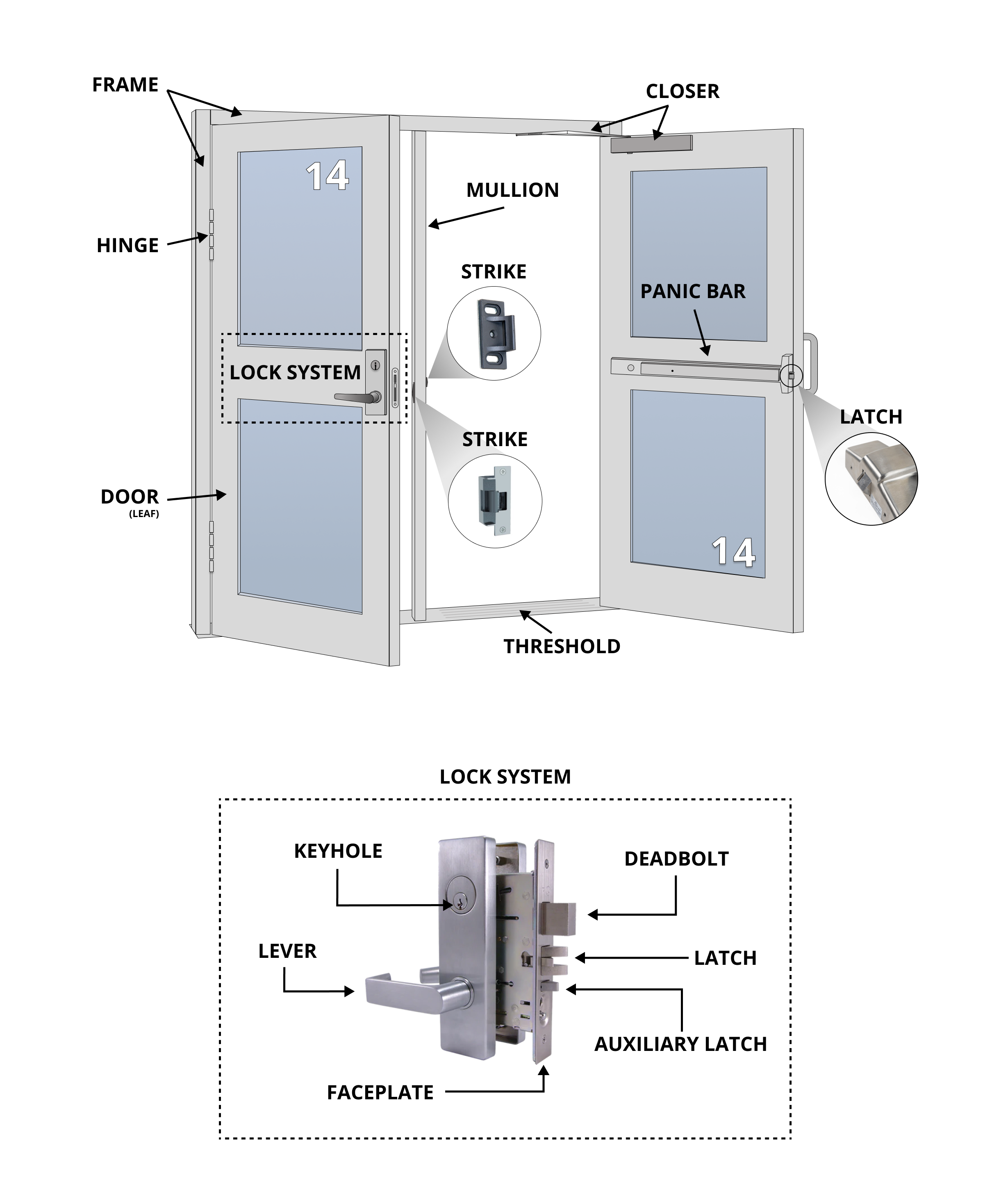
Credit: doorcheck.app
Frequently Asked Questions
How To Lubricate A Door Lock Mechanism?
Clean the lock with a soft brush or cloth. Apply graphite powder or silicone spray into the keyhole. Insert and turn the key several times to distribute the lubricant. Avoid using oil-based lubricants, as they attract dirt. Regular maintenance ensures smooth operation and prolongs the lock’s lifespan.
What Causes A Lock To Seize?
Rust, dirt, and debris build-up can cause a lock to seize. Lack of lubrication worsens the issue. Extreme temperatures may also affect lock functionality. Regular maintenance and proper lubrication can prevent seizing, ensuring smooth operation.
Why Does My Lock Keep Jamming?
Your lock may jam due to dirt buildup, misalignment, or worn-out internal components. Lubricate the lock and inspect for damage. If the issue persists, consider professional repair or replacement to ensure smooth operation and security. Regular maintenance helps prevent jamming and extends the lock’s lifespan.
How Do You Fix A Seized Lock?
Apply a lubricant like graphite or WD-40 into the lock. Insert and turn the key gently. Repeat if necessary.
Conclusion
Keeping lock mechanisms in good shape is simple. Regular maintenance is key. Clean locks with gentle sprays. Lubricate with suitable oils. Avoid dirt and moisture. These steps ensure smooth operation. Protect your locks from rust. Use covers in harsh weather.
Check locks often for wear. Replace damaged parts promptly. This saves trouble later. Invest in quality locks. They last longer and need less care. Follow these tips to prevent seizing. Locks stay reliable and secure. Keep them working well with a little effort.
Stay vigilant and proactive. Your locks will thank you.



