

Picture this: You’re all set for a refreshing bike ride, ready to embrace the freedom of the open road. But then, disaster strikes.
Your bike lock is jammed, and it feels like your plans are trapped along with it. Frustrating, isn’t it? But don’t worry. You’re not alone, and more importantly, you’re not stuck. In this guide, we’ll walk you through the simple steps to free your bike from its stubborn lock.
No need to panic or reach for the hacksaw just yet. With the right tools and techniques, you can solve this issue quickly and get back to your ride. Let’s turn this little hiccup into an easy fix, so you can enjoy peace of mind every time you lock up your bike. Ready to unlock the solution? Let’s dive in!
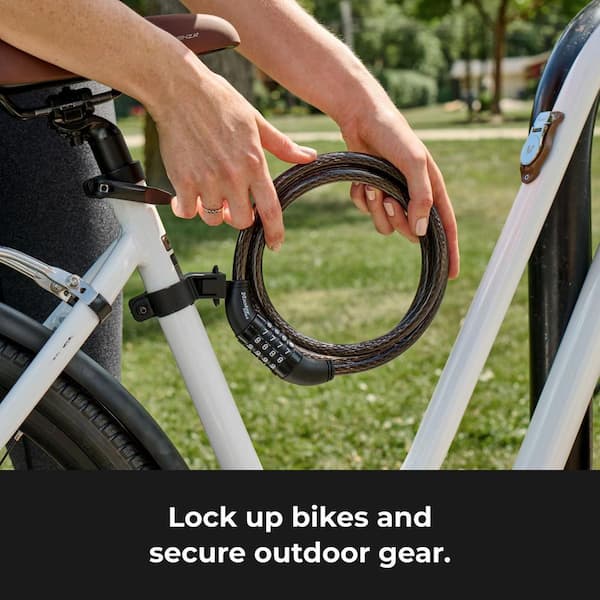
Credit: www.homedepot.com
Assessing The Situation
Examine the lock closely to identify the jam’s cause. Check for rust, dirt, or misalignment obstructing the mechanism. If needed, gently shake the lock while inserting the key to free the jam.
Identify The Lock Type
Different bike locks need different tools. Look closely at your lock. Is it a U-lock, chain lock, or a cable lock? Knowing this helps you choose the right method. Check if the lock is rusty. Rust makes it hard to open. Try to clean the keyhole. Use a clean cloth or a brush. Sometimes, dirt blocks the keyhole. This makes it jammed.
Check For External Obstructions
Sometimes, things get stuck in the lock. Look around the lock carefully. Is there any debris or small objects? Remove them gently. Use a small stick or a pin. Make sure not to scratch the lock. Water or mud can also be a problem. Dry the lock with a cloth. This makes it easier to open.
Basic Techniques
Start by using a good lubricant like WD-40. It helps loosen stuck parts. Spray it into the keyhole and around the lock. Wait for a few minutes to let it work. This can reduce friction inside the lock. Try turning the key gently after applying the lubricant. Repeat if necessary until the lock moves.
Insert the key into the lock. Gently wiggle it while turning. Avoid using too much force to prevent breaking the key. If the key doesn’t work, try a small hammer. Tap the lock lightly to free any stuck parts. Be careful not to damage the lock. Patience is key when using gentle force.
Advanced Methods
Advanced Methods Try using a lubricant to loosen the lock first. Gently tap the lock with a rubber mallet to dislodge any internal jams. If the lock remains stuck, consider using a lock-picking set for a careful attempt at opening it.
Using Lock Picking Tools
Lock picking tools can help with jammed locks. Some tools include tension wrenches and lock picks. Insert the tension wrench into the lock. Turn it gently. Use the pick to lift pins inside the lock. Feel for pins that bind or move. Patience is key. Listen for clicks or movements. With practice, the lock may open.
Heating The Lock Mechanism
Heat can loosen a stuck lock. Use a hairdryer or heat gun. Aim the heat at the lock. Warm the lock for a few minutes. Careful not to overheat. Touch the lock to check warmth. Try to turn the key again. Heat helps parts expand. This can free up the jammed lock.
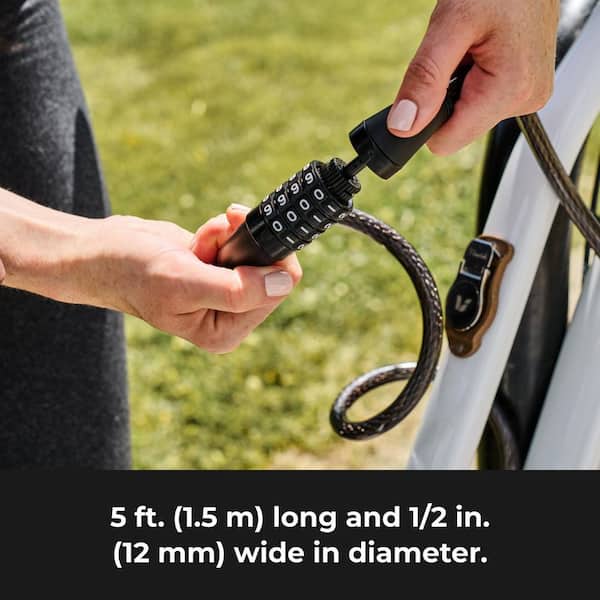
Credit: www.homedepot.com
Safety Precautions
Ensure the bike is stable and won’t tip over. Wear gloves to protect your hands from sharp edges. Use proper tools to avoid damaging the lock or the bike.
Protecting Your Bike
Keep your bike safe. Use a cover to protect it. Wet locks rust quickly. Rust makes locks jam easily. Protect your bike from rain and snow.
Avoiding Damage To Lock
Be gentle with the lock. Don’t force the key. Forcing can break the key or lock. Use a lubricant if the lock is hard to turn. Lubricants help keys slide smoothly.
Seeking Professional Help
Consider contacting a locksmith to safely remove a jammed bike lock. Their expertise ensures minimal damage to your bike. A professional can handle complex lock mechanisms efficiently.
When To Call A Locksmith
Sometimes, a bike lock just won’t budge. You might need a locksmithif the lock is old or very stuck. Trying too hard can break it. If the key is lost, a locksmith can help. They have special tools and skills. If it’s urgent, call them quickly. They can save time and trouble. A safe and fast option.
Finding Local Locksmith Services
Check online for local locksmiths. Many have websites with their services. Ask friends or neighbors for recommendations. Reviews can tell if they are good. Make sure they are nearby. A quick call can help you compare prices. Some might offer emergency services. Choose one that is reliable and friendly. Having their contact can be useful in the future.
Preventive Measures
Ensure regular lubrication of the bike lock to prevent rust and dirt buildup. Store the lock in dry conditions to avoid moisture damage. Use a cover to protect the lock from harsh weather and debris.
Regular Maintenance
Keep bike locks clean and dry. Dirt makes locks jam. Use a soft cloth to wipe them. Apply lubricant to keep it smooth. Check locks often for rust or damage. Replace old locks if they are weak. Store bikes in dry places. This helps prevent rust.
Choosing Quality Locks
Choose locks made of strong materials. Steel locks are good. Avoid cheap locks. They break easily. Look for locks with a good reputation. Read reviews before buying. Some locks come with keys. Others have number codes. Pick what is easy for you to use. Make sure it’s the right size for your bike. A good lock keeps your bike safe.

Credit: www.reliance-foundry.com
Frequently Asked Questions
What To Do If A Bike Lock Is Jammed?
Spray lubricant into the lock and gently wiggle the key. Use a lock pick set for stubborn cases. Apply gentle pressure to avoid damage. If it remains jammed, consult a locksmith for professional help. Regular maintenance prevents future jamming.
How To Unlock A Lock That’s Jammed?
To unlock a jammed lock, apply lubricant like WD-40 to loosen internal components. Wiggle the key gently while turning. Use a graphite powder if the lock remains stuck. If unsuccessful, consult a locksmith for professional help. Regular maintenance prevents future jams and ensures smooth operation.
Can I Use Wd-40 On Bike Lock?
Yes, you can use WD-40 on a bike lock. It helps clean and lubricate the lock mechanism. Use sparingly to avoid attracting dirt. Regular maintenance ensures the lock operates smoothly and prevents rust. Always wipe away any excess to keep the lock clean and functional.
How To Open Jammed Combination Lock?
Try turning the dial slowly while applying slight pressure. Check for debris blocking the mechanism. Use lubricant to ease movement. If all fails, contact the lock manufacturer for assistance.
Conclusion
Freeing a jammed bike lock can feel frustrating. But patience helps. Follow the outlined steps carefully. Use the right tools for the job. Apply gentle force, not harsh pressure. Consider lubricant for extra ease. Protect your bike and lock from future jams.
Regular maintenance ensures smooth operation. Check for dirt or rust frequently. Keep keys and combination secure. Practice locking and unlocking smoothly. A little care goes a long way. Enjoy stress-free rides every time. Happy cycling!



