
When planning a long-distance ride, choosing the right tires can make all the difference between a smooth journey and a bumpy ride. Imagine cruising down an open road, feeling every twist and turn with confidence.
The secret? It’s all in the tires. Your choice of tires not only affects how your vehicle handles but also your comfort, safety, and even fuel efficiency. So, how do you ensure you’re making the best decision for your needs?
This guide will walk you through everything you need to know, ensuring peace of mind and a hassle-free experience. Dive in to discover how the right tires can transform your long-distance rides into unforgettable adventures. Your next great ride begins with the perfect set of tires.
Credit: www.lowbrowcustoms.com
Types Of Tires For Long-distance Riding
Touring tires are great for long rides. They offer a smooth and comfy ride. These tires have a long lifespan and can handle various road conditions. Their tread design provides good grip on wet roads. Touring tires are perfect for riders who enjoy steady journeys.
Sport touring tires blend speed with comfort. They are ideal for those who love fast, long rides. These tires offer excellent grip at high speeds. Their design balances durability and performance. Sport touring tires cater to riders who crave both thrill and reliability.
Adventure tires are built for both road and off-road trips. They have a tough and rugged design. These tires provide great traction on rough terrains. Versatility is their key feature. Adventure tires are perfect for exploring new paths and unknown places.
Credit: www.tireagent.com
Tire Material And Construction
Choose tires with durable rubber compounds for long-distance rides. Opt for those with sturdy construction to ensure a smooth journey.
Radial Vs. Bias-ply
Radial tiresare made with layers of fabric. These layers run across the tire. They give better grip and smoother rides. Bias-Ply tireshave layers that cross each other. They are tougher and handle heavy loads well.
Tread Patterns
The tread patternis the design on the tire. Some patterns are for dry roads. Others work better in rain. Choose a pattern based on the weather. Some tires have mixed patterns. These are good for all weather conditions.
Rubber Compounds
Rubber compoundsaffect how tires feel and last. Softer compounds give more grip. They wear out faster. Harder compounds last longer. They might not grip as well. Pick a compound that matches your riding needs.
Weather And Terrain Considerations
Rainy days can make roads slippery. Choose tires with good grip. Look for deep grooves in the tire. They help move water away. This prevents slipping on wet roads. Safety is important in rain.
Dry roads need different tires. Tires should be hard and durable. This helps them last longer. Smooth surfaces give better contact with the road. Long-lasting tires save money.
Off-road riding is fun. It needs special tires. Look for strong, tough tires. They should handle rocks and mud. Strong tires won’t break easily. Enjoy off-road adventures safely.
Balancing Durability And Comfort
Long-lasting tiresare important for long rides. Choose tires made with strong materials. They should have a thick tread. Thick tread gives more life to the tire. Check for warranty offers too. A good warranty means the tire is reliable.
Comfort matters on long rides. Pick tires that absorb bumps well. Tires with a soft rubber compoundhelp with this. They make the ride smoother. Check reviews for feedback on comfort.
Noisy tires can be annoying. Look for tires designed to be quiet. Low-noise tiresgive a peaceful ride. Read tire labels for noise ratings. Quiet tires make long rides more enjoyable.
Choosing The Right Tire Size
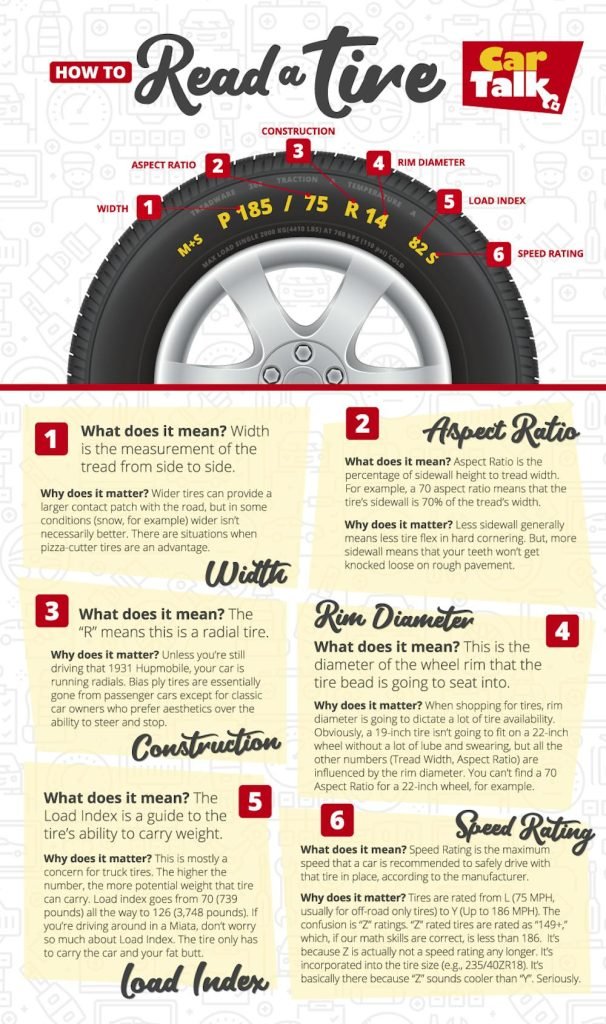
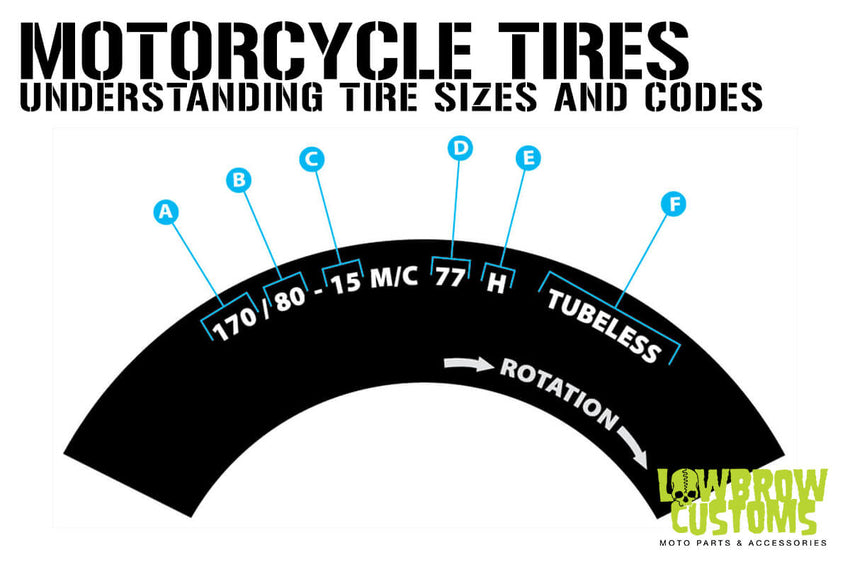
Understanding tire codesis important for picking the right tires. Tire codes show the size, type, and performance. The first number in the code is the width of the tire in millimeters. The second number is the aspect ratio, which shows the tire’s height. The letter after these numbers tells the tire construction, often it’s “R” for radial. The last number is the wheel diameter in inches.
Impact on ride and handlingis another key factor. Bigger tires can mean better grip but might make the ride bumpy. Smaller tires are smoother but may not handle as well. It’s crucial to find a balance. Consider your riding style and road conditions. Choose tires that fit your needs and ensure safety. Proper tire size improves comfort and control.
Credit: www.timesnownews.com
Maintaining Tire Health
Inspect tires often for wear and damage. Look for cracks and cuts. Check the tread depth. Measure with a penny or gauge. Check sidewalls for bulges.
Keep tires at the right pressure. Use a gauge to check monthly. Low pressure can cause tire damage. High pressure can lead to blowouts.
Rotate tires every 5,000 miles. Helps tires wear evenly. Align wheels to prevent pulling. Misalignment can cause uneven wear.
Expert Recommendations
Expert advice points to durable tires with high tread for long-distance rides. Choose tires known for stability and comfort. Prioritize models offering superior grip and puncture resistance.
Popular Brands
Michelinoffers durable tires for long rides. Many riders choose Bridgestonefor smooth handling. Pirelliis known for their grip and control. These brands have earned trust over the years. Each brand has unique features. Comparing them helps in selecting the best tire.
Professional Advice
Experts suggest checking tire pressure regularly. Proper inflation improves safety and comfort. Selecting the right size is crucial. Tires should match your bike’s needs. Look for tires with good traction. This ensures stability on different terrains. Consult professionals for specific bike models. Advice can vary based on riding style.
User Reviews
Users praise Michelinfor long-lasting performance. Bridgestonegets good feedback for comfort. Many users find Pirellireliable in wet conditions. Reviews highlight the importance of durability. Reading user experiences can guide purchase decisions. Feedback often includes maintenance tips.
Frequently Asked Questions
What Tire Is Best For Highway Driving?
For highway driving, choose all-season or touring tires. They offer a smooth ride, fuel efficiency, and reliable traction. Brands like Michelin, Bridgestone, and Goodyear are highly recommended. Ensure your tires have a good treadwear warranty for longevity. Prioritize features like low road noise and comfort for long-distance travel.
Do Pro Riders Use 28mm Tires?
Yes, many professional cyclists use 28mm tires. These tires offer better grip and comfort, especially on rough surfaces. They help reduce rolling resistance while enhancing speed and handling. Modern road bikes often accommodate wider tires, making 28mm a popular choice among pro riders for optimal performance.
What Is The Difference Between A Touring Tire And A Regular Tire?
Touring tires offer a smoother ride and better fuel efficiency. Regular tires provide more durability and versatility. Touring tires are ideal for long-distance travel, emphasizing comfort. Regular tires suit various road conditions and daily use. Touring tires typically have better noise reduction compared to regular tires.
How Do You Know If Your Tires Are Good For A Road Trip?
Check tire tread depth, inspect for damages, ensure proper inflation, verify alignment, and confirm tire age for safety.
Conclusion
Choosing the right tires makes your long-distance rides smoother. Focus on durability and comfort. Consider tire size and tread pattern. Consult your bike manual for guidance. Balance is key: speed and grip matter. Always check tire pressure before riding. Good tires enhance safety and performance.
Invest in quality for peace of mind. Happy riding awaits with the right choice. Make informed decisions and enjoy the journey. Ready to roll? Your adventure starts now.



