

Navigating wet roads can feel like a daunting task, especially when the rain starts pouring and visibility drops. You might find yourself gripping the steering wheel a little tighter, hoping your tires can handle the slippery surface.
But what if you didn’t have to worry every time the forecast called for rain? Choosing the right tires for wet roads can transform your driving experience, making it safer and more enjoyable. In this guide, you’ll discover exactly what to look for when selecting tires that can conquer those rainy days.
Imagine driving with confidence, knowing your tires are designed to grip the road even when it’s wet. Ready to learn how to make the best choice for your safety and peace of mind? Keep reading to find out everything you need to know about picking the perfect tires for wet conditions.
Credit: www.cartalk.com
Tire Types For Wet Conditions
Choosing the right tires for wet roads enhances safety and performance. Opt for tires with deep treads for better grip. Look for specialized materials to improve water evacuation and reduce hydroplaning risks.
All-season Tires
All-season tires offer good traction on wet roads. They are designed to handle different weather conditions. These tires have deep grooves to channel water away. This helps prevent hydroplaning. All-season tires are a great choice for everyday driving.
Performance Tires
Performance tires provide excellent grip on wet surfaces. They have special rubber compounds for better traction. The tread patterns are unique and designed for handling. These tires are ideal for sporty cars or fast driving. They give more control and stability on wet roads.
Winter Tires
Winter tires excel in cold, wet, and icy conditions. They have soft rubber to stay flexible in cold weather. Deep grooves and tiny cuts in the tread improve grip. They are best for snowy or icy roads. Winter tires are perfect for areas with harsh winters.
Tread Patterns And Their Importance
Symmetrical tread patterns have the same design on both sides. These tires offer consistent performance. They are often quieter and provide a smooth ride. Symmetrical designs are easy to rotate. This helps in extending their lifespan. Ideal for vehicles that travel mostly on dry roads.
Directional tread patterns are designed to roll in one direction. They excel in wet conditions by reducing water resistance. The V-shaped grooves channel water effectively. This helps prevent hydroplaning. Directional tires must be rotated front-to-back. Good for high-speed and performance vehicles.
Asymmetrical tread patterns combine different designs on one tire. Outer edges provide cornering grip. Inner edges focus on water dispersal. They offer balanced performance for varied conditions. Asymmetrical tires need specific rotation patterns. Perfect for versatile driving environments.
Rubber Compound Considerations
Consider tires with a rubber compound designed for wet roads. These tires ensure better grip and reduce slipping. Look for features like deep grooves and silica additives for improved water dispersion.
Soft Vs. Hard Rubber
Soft rubbergrips the road better in wet conditions. It bends more, hugging the surface. This helps tires stay on the road during rain. But, soft rubber wears out faster. Hard rubberlasts longer but doesn’t grip as well. It is less flexible. This can make it slippery on wet roads. Choose based on your driving needs. Decide what is most important for you. Safety or durability?
Silica-enriched Compounds
Silicain tires improves grip on wet roads. It helps the rubber stay soft. This gives better traction. Silica-enriched tires can be safer in rain. They last longer than regular soft tires. This is because silica helps reduce wear. It offers a good balance between grip and durability. Consider these for safer wet road driving.

Credit: www.instagram.com
Tire Size And Width Factors
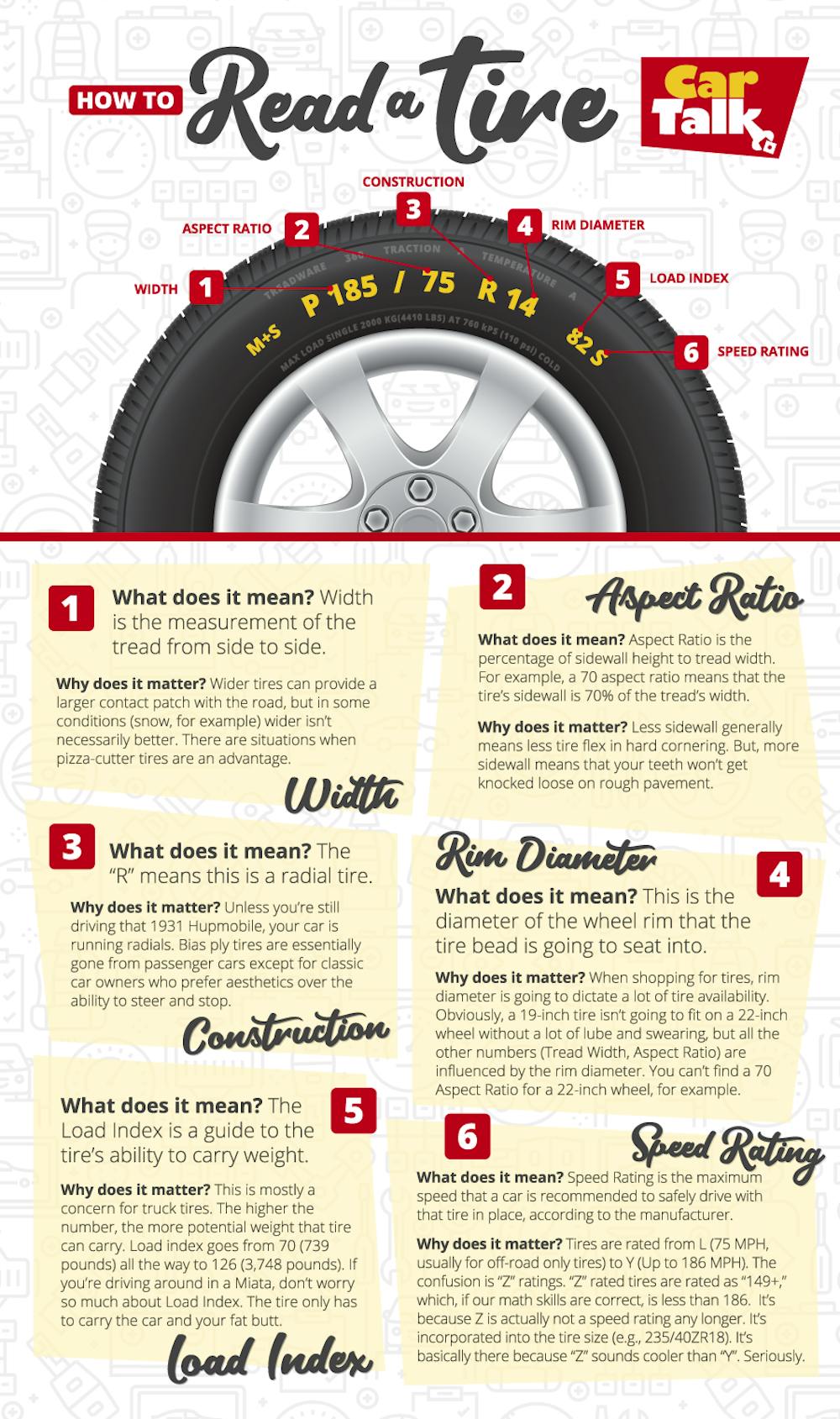
Tire width matters for wet roads. Wider tires have more surface contact. This helps in gripping the road better. Narrow tires can slip more easily. Choose wider tires for safer wet driving. Ensure they fit your car properly. A good fit improves performance.
Aspect ratio is important for tire choice. It is the height compared to width. Lower aspect ratio means better road grip. It reduces tire flexibility. Tires with lower ratio perform better in wet conditions. They offer stability and control. Always check the tire’s aspect ratio before buying.
Tire Pressure And Maintenance
Choosing the right tires for wet roads ensures safer driving. Look for tires with deep grooves and specialized tread patterns to channel water away effectively. Ensure they offer good grip and reduce the risk of hydroplaning.
Optimal Tire Pressure
Keeping tires at the right pressureis very important. It helps in better gripon wet roads. Check tire pressure every two weeks. Use a reliable gauge for accurate readings. Low pressure can cause slipping. High pressure can lead to uneven wear. Always follow the manufacturer’s guidelines. Proper pressure saves fuel and improves safety.
Regular Maintenance Tips
- Check tire tread depth regularly.
- Rotate tires every 6,000 miles.
- Inspect tires for cuts and punctures.
- Ensure wheel alignment is correct.
- Clean tires to remove dirt and debris.
- Replace old tires to prevent accidents.
Wet Road Performance Ratings
Choosing the right tires for wet roads can enhance safety and performance. Look for tires with high wet road performance ratings. Prioritize features like deep grooves and specialized tread patterns to improve traction in rainy conditions.
Understanding Ratings
Wet road performance ratings help in choosing the right tires. These ratings show how well a tire grips wet surfaces. They are crucial for safety during rainy days. Look for ratings marked as A, B, or C. An A rating means the best grip on wet roads. B is good, but not the best. C offers the least grip among them. Always check these ratings on the tire label. They are usually displayed on the sidewall of the tire. This helps in making informed choices for your car.
Comparing Brands
Different tire brands offer various wet road ratings. Some brands focus on safety, others on performance. Compare ratings before buying new tires. Look for reviews from other users. They can tell you about their experiences. Popular brands usually have higher ratings. But lesser-known brands might offer good value too. Always balance cost with quality. Choose a brand that fits your needs and budget. This ensures you get the best performance on wet roads.
Expert Recommendations
Good tires make driving safe on wet roads. Look for tires with deep grooves. Deep grooves help water escape. Michelin tires are great for wet roads. Continental tires also work well in rain. Bridgestone tires have special tread patterns. Tread patterns grip the road firmly. These tires keep you safe in rain.
- Kumho tires offer good grip at low prices.
- Hankook tires balance cost and performance.
- Nexen tires are affordable and reliable.
- Firestone tires provide good value for money.
These tires help you stay safe without spending much money. They are a smart choice for rainy days. Choose wisely and drive safely.
Credit: www.consumerreports.org
Frequently Asked Questions
What Type Of Tires Are Best In Rain?
The best tires for rain are all-season or rain-specific tires with deep grooves and tread patterns. They enhance water evacuation and provide better grip. Look for tires with silica compounds for improved wet traction. Always ensure proper tire maintenance for optimal performance in wet conditions.
What Tires Are Best To Prevent Hydroplaning?
Choose tires with deep grooves and wide channels for better water dispersion. Opt for all-season or summer tires with good tread designs. Ensure proper tire inflation to maintain optimal contact with the road. Regularly check tread depth for maximum grip and safety in wet conditions.
Are Wider Tires Better For Wet Roads?
Wider tires provide better grip on wet roads due to increased surface contact. They help in reducing hydroplaning risks. Ensure proper tire tread depth for optimal performance. Always choose tires designed for wet conditions to enhance safety and handling.
Are All-season Tires Good On Wet Roads?
All-season tires perform well on wet roads due to their tread design. They offer reliable grip and traction. These tires balance between wet and dry conditions. Regular maintenance ensures optimal performance. They are ideal for moderate climates. Always check tire specifications for best results.
Conclusion
Choosing the right tires for wet roads is crucial for safety. Good traction prevents skidding and ensures control. Check the tire tread depth before buying. Deeper treads help channel water away. Consider tires with grooves for better grip. Look for tires designed for rain or slippery conditions.
Invest in quality for peace of mind. Regularly inspect tires for wear and tear. Don’t compromise on safety. Remember, the right choice keeps you secure in rainy weather. Your journey will be safer and more comfortable. Stay prepared and drive with confidence on wet roads.



