
Imagine cruising down a scenic road on your bike, the cool breeze brushing against your face, only to realize your bike lights are flickering. It’s a situation no cyclist wants to face, especially in low-light conditions.
Ensuring your bike lights are in top condition isn’t just about safety; it’s about peace of mind during every ride. But how do you keep your bike lights shining brightly and reliably? The answer lies in simple maintenance steps that you can easily incorporate into your routine.
By following these tips, you’ll not only enhance your biking experience but also protect yourself and others on the road. Dive into this guide to discover practical ways to keep your bike lights at their best, making every ride safer and more enjoyable.
Importance Of Bike Lights
Bike lightsare very important for safety. They help others see you. You can also see the road better. Riding at night can be dangerous without lights. Cars may not see you in the dark. This can cause accidents. Bright lights make you visible. They also help you avoid obstacles.
There are two types of lights: frontand rear. Front lights shine ahead. Rear lights warn cars behind you. Both are necessary for safe rides. Make sure your lights are working well. Check them before every ride. Always carry spare batteries. Safe rides are happy rides.
Types Of Bike Lights
Front lights help riders see the road ahead. They are bright and powerful. Many come with adjustable settings. Some lights are rechargeable, while others use batteries. It’s important to keep the lens clean for better visibility. Regularly check the mount to ensure it’s secure. A loose light can fall off easily.
Rear lights keep cyclists visible to others. They often have flashing modes. Some are red, which is easy to see at night. Make sure the battery is full. Clean the light to make it shine brightly. Check the mount so it stays fixed. A broken mount can be dangerous.
Side lights enhance visibility from the side. These lights help in busy streets. They are not as common as front and rear lights. Side lights are usually small and compact. Keep them clean for clear visibility. Ensure the lights are positioned correctly. Adjust them if needed.
Choosing The Right Lights
Maintaining bike lights ensures safety during rides. Regularly check for brightness and clean any dirt. Replace batteries often to keep them shining bright.
Brightness Levels
Bike lights must be bright enough to see and be seen. Check lumens to know how bright the light is. Higher lumens mean brighter lights. Choose lights with adjustable brightness settings. This helps in different weather and times.
Battery Life
Always check the battery life of your bike lights. Longer battery life means less charging. Rechargeable batteries are better for regular use. Consider backup batteries for long rides. This ensures lights stay on when needed.
Mounting Options
Bike lights should be easy to mount. Check for simple and secure mounting options. Lights should stay firm during rides. Removable mounts help switch lights between bikes. Adjustable mounts allow better positioning for visibility.

Credit: www.instagram.com
Regular Maintenance Practices
Check bike lights regularly to ensure they function properly. Clean lenses gently with a soft cloth for clarity. Charge or replace batteries as needed to maintain brightness.
Cleaning Techniques
Use a soft cloth to wipe bike lights. This keeps them clean. Avoid water getting inside the lights. It can cause damage. Use a mild soap for tough dirt. Rinse gently with water. Dry the lights with a towel. This prevents rust and keeps lights working well.
Battery Replacement
Check battery power regularly. Weak batteries give dim light. Replace them when needed. Use the right battery type. Read the manual for guidance. Keep spare batteries handy. This ensures your lights always shine bright.
Checking Mounts
Ensure mounts are tight and secure. Loose mounts can make lights fall. Use a screwdriver if needed. Check them before every ride. This ensures safety and proper lighting. Inspect mounts for cracks. Replace if any damage is found.
Troubleshooting Common Issues
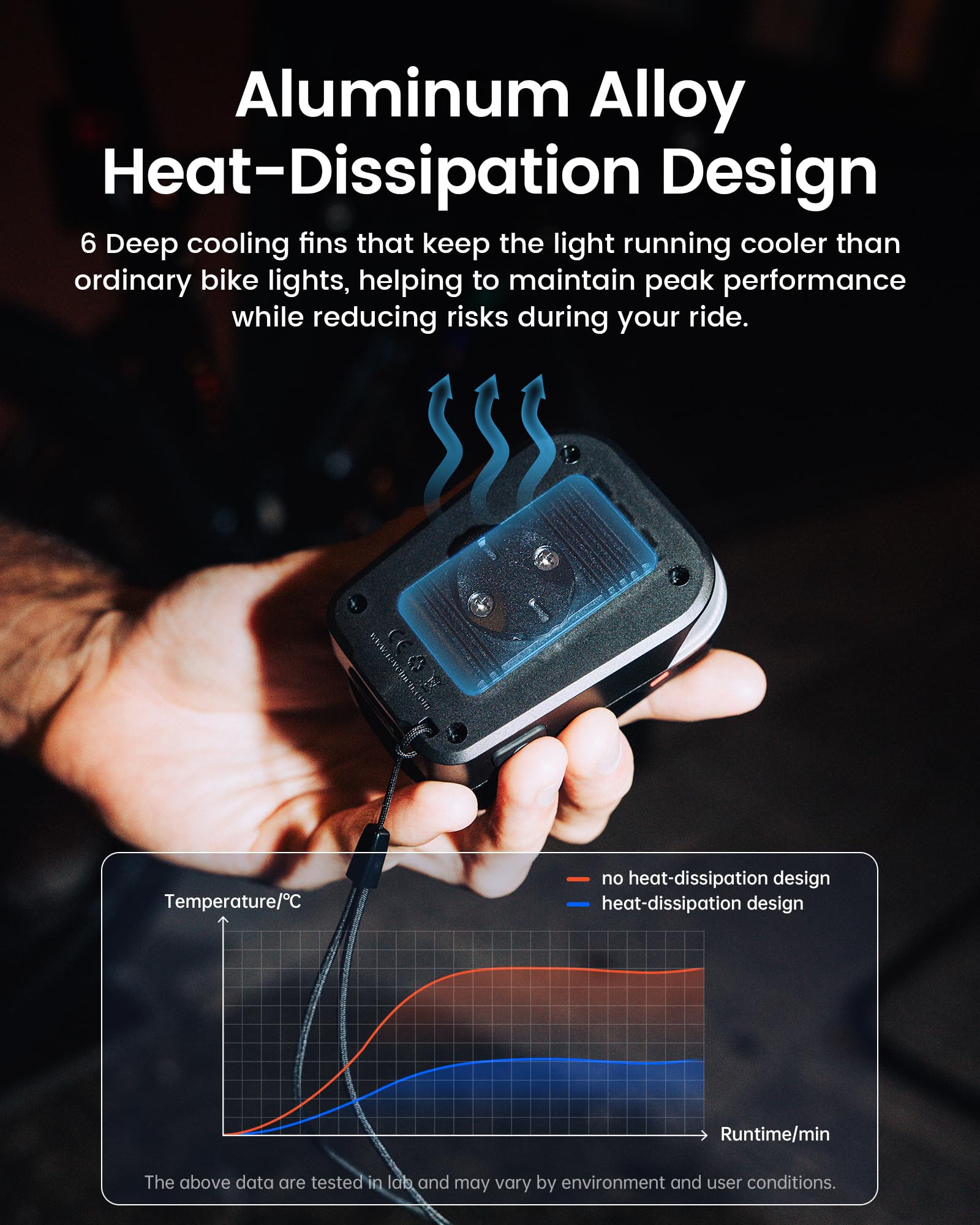
Flickering lights can be annoying. First, check the battery. A low battery often causes flickering. Ensure the battery is properly charged. Inspect the light connections. Make sure they are secure. Loose connections can lead to flickering. If the problem persists, examine the bulb. It might be faulty or nearing its end. Replace if necessary.
Dim lighting affects visibility. Clean the light lens regularly. Dirt can block light. Check the battery power. A weak battery results in dim light. Replace it if needed. Ensure the bulb is in good condition. A worn-out bulb dims over time. Consider upgrading to brighter bulbs for better visibility.
Loose connections can disrupt lighting. Inspect wiring frequently. Secure any loose wires. Tighten screws and connectors. They might loosen over time. Use electrical tape to secure connections. It helps prevent disconnection. Check mounts and brackets. Ensure they are tight and hold lights firmly.
Credit: www.quierotraerlo.com
Safety Tips For Night Riding
Ensure your bike lights are clean and working well. Check and replace batteries regularly for consistent brightness. Adjust the angle of the lights to illuminate the road ahead, enhancing safety during night rides.
Visibility Strategies
Bright lightshelp others see you. Choose lights with high lumens. Reflective clothing also increases visibility. Use wheel reflectors for extra safety.
Positioning Lights
Front lights should face forward. Aim slightly down to avoid blinding others. Rear lights should face backward. Attach them to your seat post or backpack.
Backup Light Options
- Carry spare batteries for emergencies.
- Use a small flashlight for backup.
- Consider rechargeable lights with USB.
Upgrading Your Bike Lights
Upgrading bike lights starts with regular checks for dirt and damage. Clean lenses ensure maximum visibility. Tighten loose connections to prevent flickering, and replace batteries before they drain fully.
Advanced Features
Modern bike lights offer advanced featuresfor better visibility. Some lights have adjustable brightnesslevels. Others come with flashing modesto alert drivers. A few even have motion sensorsto save battery. These features can make riding safer.
Smart Lighting Systems
Smart lighting systemsare becoming popular. They connect with your phone using Bluetooth. You can control the light settings through an app. Some systems adjust automatically based on speed. They can also sync with other bike gadgets. This provides a seamless experiencewhile riding.
Cost Considerations
- Basic lights are more affordable.
- Lights with advanced features cost more money.
- Smart systems are the most expensive.
- Consider your budget and riding needs.

Credit: www.youtube.com
Frequently Asked Questions
How Do You Maintain Bike Lights?
Clean the bike lights regularly with a soft cloth. Check batteries and replace them when needed. Tighten loose mounts to ensure stability. Store lights in a dry place to prevent damage. Test functionality before each ride.
How Long Should A Bike Light Last?
Bike lights typically last between 1 to 100 hours, depending on the type and battery life. Rechargeable options offer longer duration. Frequent usage and brightness settings affect longevity. Regular maintenance extends lifespan. Always choose quality lights for reliability and safety during night rides.
Consider LED options for efficiency.
How To Maintain The Shine Of A Bike?
Regularly wash your bike with mild soap and water. Apply quality wax for a protective shine. Dry thoroughly to prevent water spots. Use microfiber cloths for gentle cleaning. Store indoors or cover when not in use.
What Is The Rule For Bike Lights?
Cyclists must use white lights in front and red lights at the rear during dark hours. Lights should be visible from 500 feet. Flashing lights can enhance visibility. Ensure lights are securely mounted and fully charged. Always check local regulations as rules may vary.
Conclusion
Bike lights need regular care for safety and durability. Clean them often. Check battery life and replace when needed. Tighten loose screws to prevent damage. Use quality materials for repairs. This ensures better performance. Store lights in a cool, dry place.
Avoid moisture contact. These steps keep your lights working well. Remember, safe biking starts with good lights. Stay visible. Stay safe. Enjoy your rides with confidence. Regular maintenance saves time and money. Keep shining bright on every journey.



