
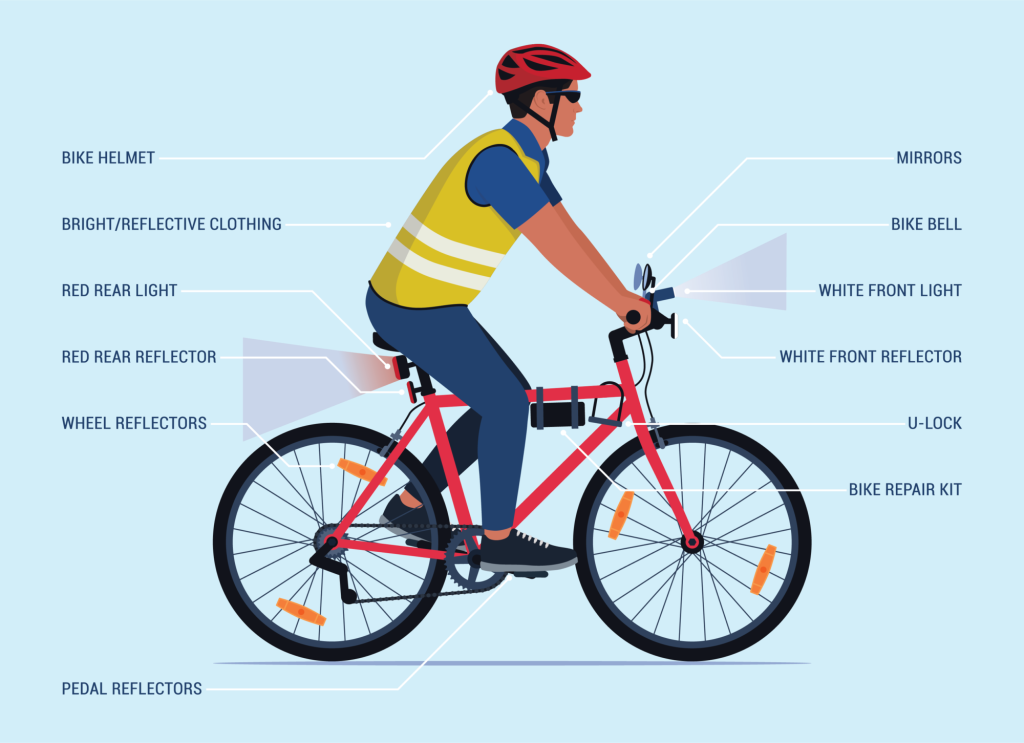
Have you ever found yourself cycling at dusk, only to realize your pedals could use a little extra visibility? Attaching pedal reflectors can be a game-changer for your safety on the road.
These small but mighty accessories ensure that you’re seen by drivers and pedestrians alike, even in low-light conditions. Imagine pedaling confidently, knowing that you’re taking active steps to protect yourself. In this guide, you’ll learn exactly how to attach pedal reflectors with ease.
We’ll break down the process into simple steps that anyone can follow. By the end of this article, you’ll have the tools to enhance your bike’s safety features and ride with peace of mind. Ready to transform your cycling experience? Let’s get started!
Tools And Materials Needed
Gathering the right tools is very important. You will need a wrenchfor this task. It helps in loosening and tightening bolts. A screwdrivermay also be necessary. It depends on your pedal type. Make sure to have the right size. Reflectors are also needed. These should match your pedal type.
A clean clothis useful. It helps wipe off dirt. This ensures the reflectors stick well. Check if you need any adhesive. Some reflectors come with it. Others might need extra glue. Keep your bike stable. A bike stand or helper can assist. This makes the work easier and safer.

Credit: www.amazon.co.uk
Preparing The Pedals
Pedals need cleaning before attaching reflectors. Use a soft cloth to remove dirt. Ensure all sides are clean. Check for rust or damage. You may need a brush for stubborn dirt. Clean threads with a small brush. Dry pedals with a clean towel. Wet pedals may cause slipping. Dry thoroughly to avoid accidents. Secure the bike to prevent movement.
Gather tools for attaching reflectors. A screwdriver is essential. Reflectors usually come with screws. Check the instructions provided. Ensure you have all necessary parts. Missing parts can affect safety. Prepare a small box for screws and parts. Keep them safe and organized. This helps during the installation process.
Choosing The Right Reflectors
Selecting the correct pedal reflectorsis crucial for safety. They help others see you better at night. Look for reflectors that fit your pedal size. Make sure they are bright and visible. Check if they are easy to attach. Reflectors should be durable and weather-resistant. This ensures they last a long time. Choose colors that stand out. Orange and red are good choices. They must be certifiedfor bicycle use. Certification ensures quality and effectiveness. Reflectors can be found in most bike stores. You can also find them online.

Credit: reemavision.com
Aligning The Reflectors
Aligning pedal reflectors is easy. First, find the reflector slots on your pedals. Reflectors should fit snugly in these slots. Ensure they are not loose. Loose reflectors can fall off when riding. Check the orientation of the reflectors. They should face outwards for visibility. This helps others see you at night.
Align each reflector carefully. Push them gently into the slots. Use your fingers to press them in. Make sure they sit flat and flush. Check both sides of each pedal. Reflectors on both sides increase safety. Tighten any screws if needed. Some reflectors use screws to stay secure. Always double-check your work. Proper alignment keeps you safe on the road.
Securing The Reflectors
Attach the pedal reflectors with care. They make you safer at night. First, find the slots on the pedals. These are usually on the sides. Slide the reflectors into the slots. Make sure they click in place.
Some reflectors need screws. Use a small screwdriver for this. Turn the screws until they are tight. Do not overtighten them. Check if the reflectors are secure. They should not wobble.
Reflectors should face outwards. This helps others see you. Test by spinning the pedal. The reflectors should stay in place. If loose, tighten again. Secure reflectors help you ride safely.
Testing Reflector Stability
Ensure the reflectorsare firmly attached to the pedals. Gently push and pull each reflector. They should not move or wiggle. If any reflector moves, it’s not tight enough. Use a screwdriver to tighten it.
Check each side of the pedal carefully. Look for any loose screws or parts. Ensure the reflectors are facing outward. This helps them catch the light.
Spin the pedals slowly with your hand. Observe if the reflectors stay in place. They should not shift or fall off.
Finally, test the bike on a safe path. Make sure the reflectors are visible. They should reflect light from cars and street lamps.
Final Adjustments
Ensure the pedal reflectors are securely attached. Check for any loose screws or parts. Tighten them using a screwdriver if necessary. Align the reflectors correctly so they face outward. This helps others see you better at night. Test the reflectors by spinning the pedals. They should stay in place and not wobble. Make sure they do not interfere with pedal movement.
Inspect the reflectors for scratches or damage. Replace them if they are broken. Clean them with a cloth to ensure they shine brightly. Verify your bike’s pedals are functioning well. Ensure smooth rotation without obstruction. Reflectors should enhance safety, not hinder your cycling.

Credit: www.ebay.co.uk
Maintenance Tips
Attach pedal reflectors easily by aligning them with the pedal holes. Use a screwdriver to tighten screws securely. Ensure they are firmly attached for better visibility and safety during nighttime rides.
Check Reflectors Regularly
Reflectors keep bikes safe. They help cars see bikes. Check them often. Look for cracks or dirt. Clean them if dirty. Replace if broken. This keeps them bright and clear.
Tighten Loose Pedals
Loose pedals can cause accidents. Make sure pedals are tight. Use a wrench to check them. Tighten if loose. This keeps them steady and safe.
Use Proper Tools
- Use a wrench for tightening.
- Use a screwdriver for screws.
- Keep tools clean and ready.
Store Bike Properly
A safe bike is a well-stored bike. Keep it dry and clean. Avoid places with lots of water. This stops rust and damage.
Frequently Asked Questions
Where Do You Put Reflectors On A Bike?
Place reflectors on the front and rear of the bike. Attach them to the wheels and pedals for visibility. Ensure they are clean and unobstructed for maximum safety.
How To Attach A Reflector To A Light Stand?
Secure the reflector with a clamp. Attach the clamp to the light stand’s arm. Adjust the angle for optimal lighting. Ensure the reflector is stable and doesn’t wobble. Double-check the setup for safety before use.
Do You Need Reflectors On Pedals?
Reflectors on pedals are required for safety and visibility, especially during nighttime cycling. They help drivers spot cyclists easily. While not mandatory everywhere, they are highly recommended to enhance road safety. Always check local laws regarding bike reflectors to ensure compliance and safety on the roads.
Does A Red Reflector Go On The Front Or Back Of A Bike?
A red reflector goes on the back of a bike. It enhances visibility and safety for night riding.
Conclusion
Attaching pedal reflectors boosts your safety on the road. This simple task requires basic tools and a little time. First, gather the right reflectors and tools. Next, clean the pedal surface well. Then, carefully align the reflector with the pedal.
Secure it tightly to prevent any movement. Check its position regularly to ensure it stays in place. Reflectors help you stay visible to others, enhancing your biking safety. A small step that makes a big difference. Now, pedal confidently, knowing you are more noticeable.
Stay safe and enjoy your ride!



