
Imagine cruising down the street on your bike, the wind in your hair and the world at your feet. It’s a liberating experience, isn’t it?
But hold on—before you continue, there’s something crucial you need to know. Your bike lighting. Yes, those tiny lights can mean the difference between a safe ride and a hefty fine. You don’t want to be caught off guard, facing penalties for improper bike lighting.
So, how can you avoid these fines and ensure your bike is street-ready and compliant? This guide is your go-to resource, offering simple steps to keep your bike lighting in check, protect your wallet, and maintain your peace of mind. Dive in to discover how to equip your bike properly, so you can ride confidently and safely, day or night.

Credit: www.reddit.com
Importance Of Proper Bike Lighting
Proper bike lightingkeeps you safe on the road. Cars can see you better. This reduces the chance of accidents. It’s also required by law in many places. Without lights, you may get a fine. Fines can be expensive. Don’t risk it.
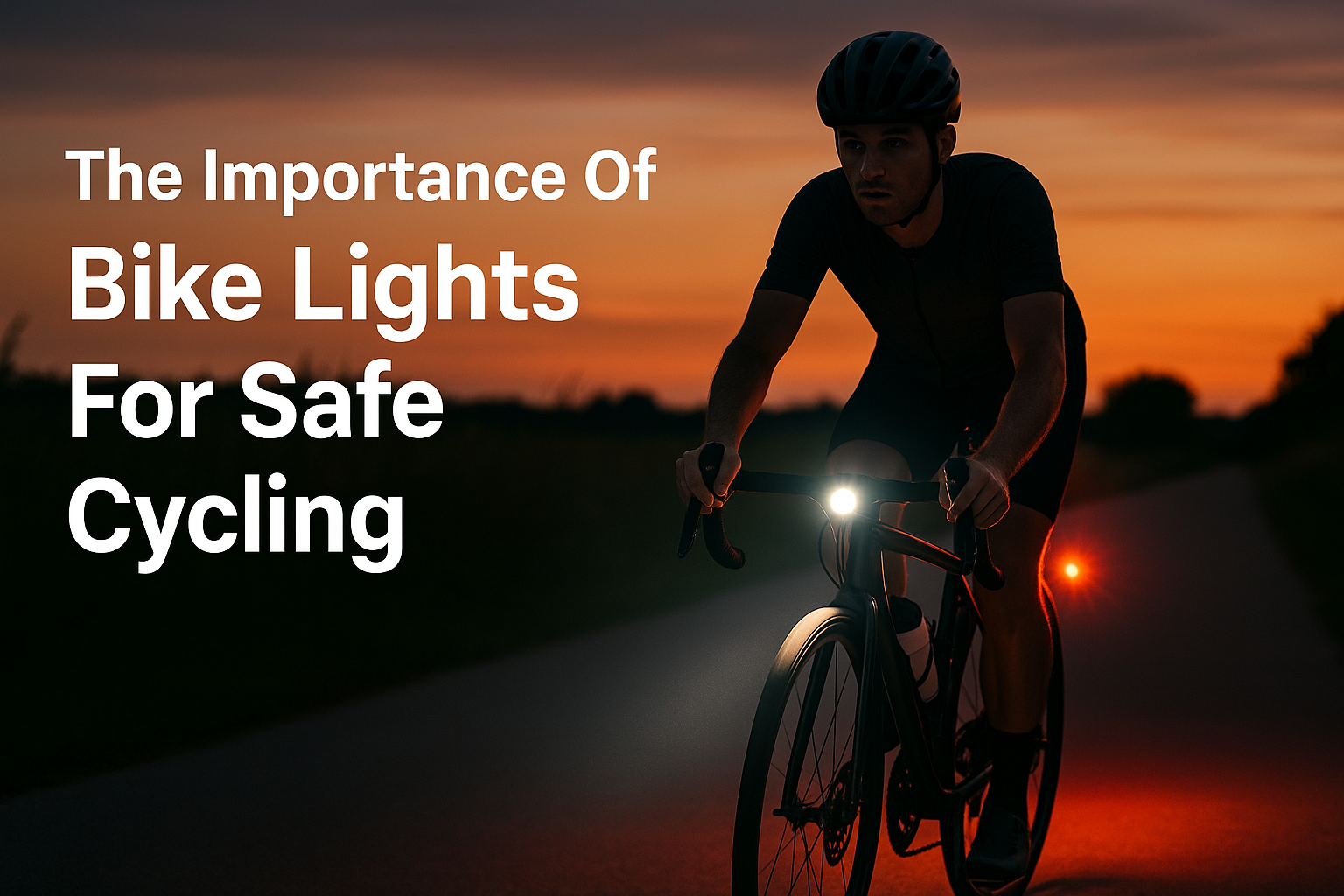
Lights help during night and bad weather. They make you visible. You need a white light in front. A red light is needed at the back. Reflectors are also important. They help when it’s dark. Make sure your lights work well. Check them often.
Choose lights that are bright. Rechargeable lights are a good choice. They last longer. Always carry extra batteries. This way, you won’t get stuck without lights. Safety should be your top priority. Proper lighting ensures you are safe and seen.
Legal Requirements For Bike Lights
Bikes need lights to stay safe. Laws say bikes must have front and rear lights. Front lights should be white. Rear lights need to be red. The lights should be visible from 200 meters away. This helps others see you at night.
Bikes also need reflectors. Reflectors help in low light. Use reflectors on pedals and wheels. Reflectors should be visible from the side.
Check your lights often. Make sure they work well. Replace batteries when needed. Proper lights can stop fines. Stay safe and follow the rules.
Types Of Bike Lights
Front lights help you see the road ahead. They make your bike visible to others. Bright front lights are a must for night rides. Choose lights with strong beams. Rechargeable lights save money over time. Always check if your front light is charged. Install them securely on your handlebars.
Rear lights keep you safe from traffic behind. They are usually red and flash or stay steady. Flashing lights catch attention quickly. Rear lights are vital for evening and night safety. Many are battery-powered or rechargeable. Ensure your rear light is bright enough. Mount them on your seat post for best visibility.
Side visibility lights help in crossings and intersections. They make you visible from the side. These lights often attach to your wheels or frame. Reflective side lights are also a good choice. They are essential in busy areas. Always check if they are working before rides. Side lights add an extra layer of safety.
Credit: 99bikes.com.au
Features To Look For In Bike Lights
Bike lights should be bright enough to be seen. Lumens measure the brightness. A higher number means a brighter light. For city rides, 200 lumens is fine. Country roads need about 800 lumens. This ensures you see and are seen.
Battery life is important for long rides. Some lights last 2 hours, others 10. Always choose lights with a long battery life. Rechargeable lights are better for the environment. They save money over time too.
Weather resistance keeps lights working in rain or fog. Look for lights labeled water-resistant. These lights handle splashes and rain. They are safer for all-weather biking. Riding in wet conditions is easier with these lights.
Installation Tips For Bike Lights
Mount the bike lights on the handlebars or seat post. Ensure the lights face forward and backward. Tighten the screws so the lights do not move. Check that the lights are at the correct angle. This helps others see you better.
Use rechargeable batteries for long rides. Change batteries before they run out. Test the lights often to make sure they work. Clean the lens with a soft cloth. This keeps the light bright and clear.
- Do not cover lights with bags or clothing.
- Check local rules for light brightness.
- Avoid using only one light.
Regular Maintenance Of Bike Lights
Regular maintenancekeeps your bike lights in great shape. Check them weekly for dirt. Clean the lights with a soft cloth. Make sure the bulbs are not broken. Replace any broken bulbs right away. Ensure the batteries are fresh and fully charged. Rechargeable batteries should be checked often. Align your lights to face the road. Misaligned lights can cause problems. Look for any loose wires. Tighten them to avoid flickering. Test the lights before every ride. This ensures safety on the road. Keep your lights ready and bright. Good maintenance prevents fines and accidents.
Common Mistakes To Avoid
Many people forget to check their bike lights regularly. It’s crucial to ensure lights are bright and working. Riding with dim lights can be risky. Always have spare batteries handy. Some bikers use the wrong color lights. White lights go at the front. Red lights must be at the back. This helps others see you clearly. Many ignore the importance of reflectors. Reflectors make you visible in low light. Place them on wheels, pedals, and the rear. Another mistake is not adjusting the light angle. Point your lights slightly down. This prevents blinding other road users. Avoid these mistakes to stay safe and avoid fines.
Local Regulations And Updates
Knowing the local ruleshelps avoid fines. Bike lighting laws can change. Stay updated with the latest rules. Visit your city’s website for updates. Police and community boards can help too. They often share new regulations. Attend local meetings for insights.
Some places need front and rear lights. Others require reflectors on wheels. Use white lights for the front and red for the back. Check if your lights are bright enough. Some areas have brightness rules. A well-lit bike is safe and legal. Always double-check your lights before riding. This keeps you safe and avoids fines.
Safety Tips For Night Riding
- Wear bright clothingto be easily seen.
- Install a front white lighton your bike.
- Make sure to have a rear red lighttoo.
- Check if your lights are working properly.
- Use reflective tapeon your helmet and bike.
- Ride on well-lit streetswhenever possible.
- Keep your speed slowin dark areas.
- Always stay alertto your surroundings.
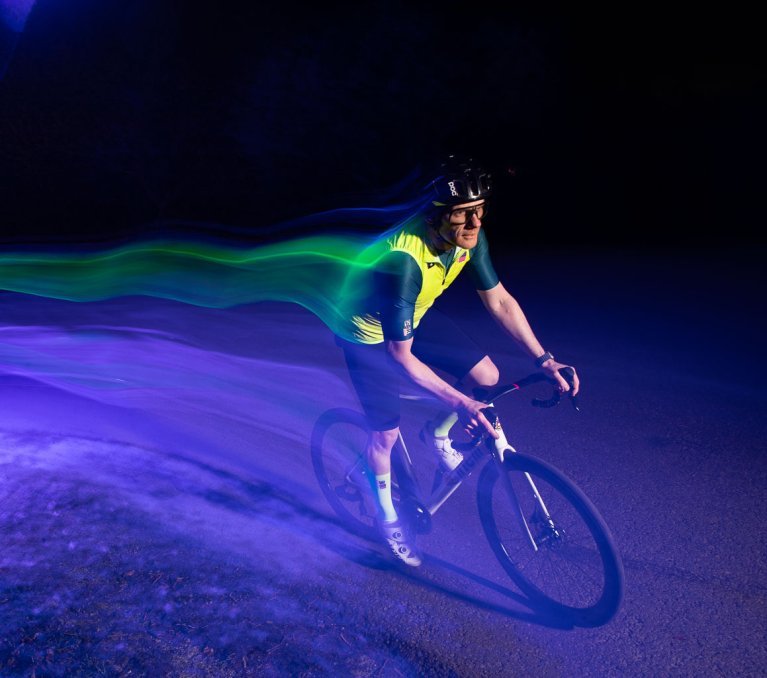
Using these tips, you can ride safely at night. Proper lighting helps you avoid fines. Stay visible and safe!
Credit: www.bike-components.de
Frequently Asked Questions
What Is The Rule 67 For Cycling?
Rule 67 in cycling, from the Velominati’s “The Rules,” advises cyclists to avoid wearing pro team kit unless sponsored. It’s about respecting the cycling culture and not posing as a professional. This rule emphasizes authenticity and individuality in cycling attire.
Can I Ride My Bike With No Lights?
Riding a bike without lights is unsafe and often illegal, especially at night or in low visibility conditions. Always use front and rear lights to ensure safety and comply with local laws. Proper lighting increases visibility and reduces the risk of accidents.
Is It Illegal To Ride A Bike Without A Light At Night In California?
Yes, it’s illegal to ride a bike without a light at night in California. Cyclists must use a white front light and a red rear reflector. Proper lighting ensures safety and compliance with California Vehicle Code.
Can I Ride A Bike Without A Light?
Riding a bike without a light is unsafe and illegal in many areas. Bike lights improve visibility and safety. Always use front and rear lights in low light conditions to prevent accidents. Check local laws for specific requirements to ensure compliance and safety.
Conclusion
Proper bike lighting keeps you safe and avoids fines. Check your lights regularly. Ensure they are bright and visible. Use both front and rear lights. Choose lights with long battery life. Replace batteries or charge them frequently. Reflectors are also helpful.
Attach them to your bike for extra visibility. Ride confidently knowing you are compliant. Stay informed about local lighting laws. Simple steps prevent penalties. Safe riding means enjoying your journey without worries. Prioritize bike lighting every time you ride. Bright lights protect you on the road.
Keep cycling safe and fun!



