
Picture this: you’re cycling through the city streets at dusk, the vibrant skyline surrounding you, but your visibility is compromised. It’s a scenario no cyclist wants to face.
Choosing the right bike lights is crucial for your safety and peace of mind while navigating the urban jungle. You need lights that not only illuminate your path but also make you visible to others. With so many options available, how do you select the perfect lights for city riding?
This guide is here to help you make informed choices that fit your lifestyle and enhance your cycling experience. Imagine riding confidently, knowing you’ve made the right choice. Keep reading to discover how you can achieve that confidence with the ideal bike lights for your city adventures.

Credit: wikeinc.com
Types Of Bike Lights
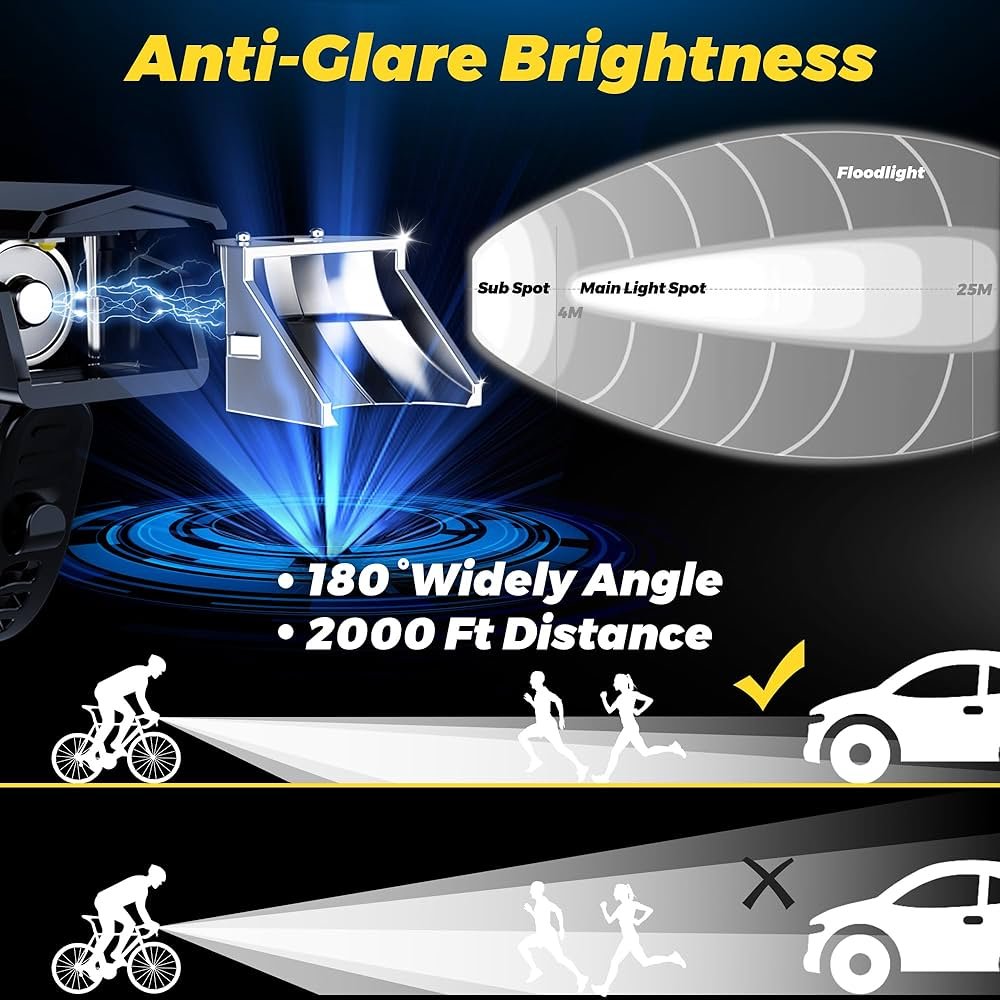
Front lights help you see and be seen. They are bright and important for safety. Some lights attach to the handlebar. Others can be worn on a helmet. Choose a light with good battery life. LED lights are common and last long. Make sure your front light is water-resistant. It should work in the rain.
Rear lights let others see you from behind. They are usually red. Attach them to your seat post or backpack. Blinking lights can grab more attention. Check the brightness level. It should be visible in daylight. Rechargeable options are better for the environment.
Side lights help cars see you from the side. They are not as common but very helpful. Attach them to the wheels or frame. Some lights change color. They make your bike look cool and safe. Consider adding reflective tape for extra visibility.

Credit: cycliq.com
Brightness And Lumens
Understanding brightness and lumens is key for city bike lights. Higher lumens mean brighter lights, enhancing visibility. Choose lights with 200 to 600 lumens for well-lit city streets to ensure safety.
Understanding Lumens
Lumensmeasure how bright a light is. More lumens mean more brightness. Bike lights usually range from 100 to 2000 lumens. For city rides, 200 to 600 lumens are suitable. This range provides enough light without being too bright.
Choosing The Right Brightness
Pick a light that suits your ride. Daytime running lights`
Battery Life Considerations
Consider battery life when choosing bike lights for city riding. Opt for rechargeable lights for longer-lasting performance. Ensure your lights can last through long commutes without frequent recharging.
Rechargeable Vs. Disposable
Rechargeable batteriesare good for regular riders. They save money over time. Charging them is easy. Just plug them in. Disposable batteriesare handy for emergencies. Keep some as backup. They are easy to replace. But cost more in the long run.
Runtime And Duration
Check the runtimeof your bike lights. Longer runtime means less charging. Most lights last several hours. Aim for lights that last all night. This is important for safety. Choose lights with adjustable brightness. This helps manage battery life. A dim light lasts longer. Bright lights use more power.

Credit: leoguarbikes.com
Mounting Options
Handlebar mounts are common for bike lights. They attach directly to the handlebars. This position provides a steady light beam ahead. Choose mounts that are easy to attach and remove. Some mounts have quick-release features. This helps when you need to take lights off quickly. Handlebar mounts keep the light focused in front. This is helpful for clear visibility on the road. Ensure the mount is stable and doesn’t wobble.
Helmet mounts offer a flexible light position. The light follows where you look. This is great for seeing around corners. Choose a mount that is lightweight and secure. Heavy mounts can be uncomfortable on the head. A secure fit prevents the light from moving around. Helmet mounts are ideal for extra visibility. They can be used with handlebar mounts for better coverage. Make sure the helmet can handle the added weight.
Weather Resistance
Choosing bike lights for city riding demands attention to weather resistance. Durable lights withstand rain and harsh conditions, ensuring safety. Opt for waterproof designs to avoid damage and maintain visibility in any weather.
Waterproof Features
Bike lights must be waterproof. Riding in rain is fun but needs care. Waterproof lights stay safe and bright. They keep working even in heavy rain. Look for IP ratings on lights. Higher ratings mean better waterproofing. IPX4 is good for city rides. It resists splashes from any direction. IPX6 or IPX7 is better for heavy rain.
Impact Resistance
Bike lights should be impact resistant. City roads can be bumpy. Lights might fall or hit something. Impact-resistant lights last longer. They protect the bulb and battery. Check the light’s casing. Strong casing means better protection. Rubber or plastic casings absorb shocks well.
Legal Requirements
Ensure bike lights comply with local laws for visibility and safety. Check brightness and mounting requirements to avoid penalties.
Local Regulations
Every city has its own rules for bike lights. Some require front and rear lights. Others may ask for additional reflectors. It’s important to check local laws. Failing to comply can result in fines. Always stay updated. Rules can change.
Visibility Standards
Bike lights must be bright enough. They should make you visible from a distance. Day and night, your lights should shine bright. The front light helps see where you’re going. The rear light helps cars see you. A well-lit bike is a safe bike.
Additional Features
Consider lights with USB charging for convenience. Look for waterproof designs to handle rain. Check for easy mounting systems for quick setup.
Flash Modes
Flash modes help make you more visible on the road. Some bike lights offer a steady flash, which is very bright. Other lights have a rapid flash, catching the eye quickly. You can choose different flash patterns for different times. In the city, bright flashes can help others see you better. Flash modes can save battery power too. This means your lights last longer during rides.
Smart Connectivity
Smart connectivity can connect your bike light to a phone. This lets you control light settings easily. You can turn the lights on or off with your phone. Some lights can also send alerts to your phone. This is helpful if you forget to turn the light off. Smart features can make your ride safer and more fun. Technology helps keep you and your bike visible.
Budget Considerations
Finding good bike lights doesn’t need to be costly. There are many affordable options available. Look for lights with LED bulbs. They last longer and use less power. Some lights have multiple brightness settings. This can help save battery life. Check for USB rechargeable lights. They are cheaper in the long run. Don’t forget to consider water-resistant lights. They are important for rainy days. A good light should also be easy to install. This makes it simple to use daily. Finding these features can help save money.
For more features, consider high-end bike lights. These often have stronger beams. This helps see better at night. Smart lights adjust brightness automatically. They are convenient and safe. Some lights have built-in GPS. This can track your ride. Look for lights with long battery life. This means less charging and more riding. Durable materials make them last longer. High-end lights are often lighter. This makes them easier to carry. Investing in quality can enhance your riding experience.
Frequently Asked Questions
How Many Lumens For City Biking?
For city biking, 200 to 600 lumens is ideal. This range ensures visibility in urban environments. Choose higher lumens for poorly lit areas. Always prioritize safety and visibility.
What Is The Rule For Bike Lights?
Bike lights must be white at the front and red at the rear. They should be visible from 200 meters. Use them from sunset to sunrise and in poor visibility. Ensure lights are securely mounted and functioning properly for safety and compliance.
What Is The Best Headlight For Commuting Bike?
The best headlight for commuting bikes is the Cygolite Metro Pro 1100. It offers high brightness, durability, and easy installation. Its long battery life and multiple modes ensure safety. This headlight is water-resistant and reliable for various weather conditions. Ideal for urban and rural commuting, enhancing visibility and safety.
How To Choose Bicycle Lights?
Choose waterproof, bright LED lights with long battery life. Ensure front and rear lights for visibility. Consider rechargeable options for cost efficiency. Check mounting ease and durability. Select lights that meet local safety regulations for night cycling.
Conclusion
Choosing the right bike lights ensures safety during city rides. Prioritize brightness and battery life. They help you see and be seen. Consider lights with easy installation. Durable lights withstand weather and bumps. Reflective gear complements bike lights. Both increase visibility to drivers and pedestrians.
Test lights before buying. Make sure they fit your bike type. Experiment with different settings. Adjust brightness according to conditions. City riding demands attention to light details. Proper bike lights enhance your riding experience. Feel confident navigating busy streets. Stay safe and visible.
Enjoy every ride with peace of mind.



