
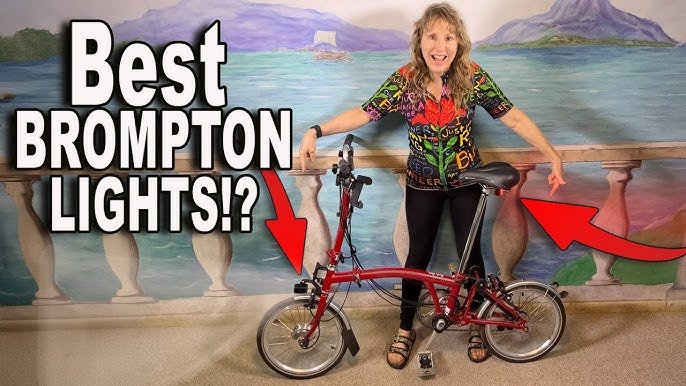
Imagine cycling under a starlit sky, your path illuminated by perfectly mounted lights on your folding bike. Sounds magical, right?
But let’s face it, the reality can be a bit challenging if you don’t know how to mount them correctly. You might be thinking, “How do I make sure my lights are secure, visible, and stylish? ” That’s exactly what we’ll dive into here.
If you’re a folding bike enthusiast, you know the importance of compactness and versatility. Yet, mounting lights can sometimes seem like a puzzle. You want practicality without sacrificing style, and safety without compromising on ease of use. This guide is crafted just for you, addressing all the nitty-gritty details to ensure your night rides are not only safe but enjoyable. With simple tips and tricks, you’ll discover how easy it is to enhance your ride. From selecting the right type of lights to mastering mounting techniques, this article will shine a light on everything you need to know. Stay with us, and you’ll soon transform your night-time cycling experience, making it brighter and more secure.
Choosing The Right Lights
Bike lights come in many types. Front lights help you see the road. Rear lights make you visible to others. Some lights blink to catch attention. Clip-on lights are easy to attach. Mounted lights stay fixed on the bike. Choose based on your needs.
Brightness is important for visibility. Measure brightness in lumens. More lumens mean brighter light. Beam patterns affect how light spreads. Wide beams cover more area. Narrow beams focus on one spot. Pick the right one for your ride.
Weather can change quickly. Some lights work in rain or fog. Waterproof lights are best for wet weather. Dustproof lights handle dry, dusty roads. Check for IP ratings on the light box. Higher numbers mean better protection. Keep your lights safe in all weather.
Credit: www.happyowlcycle.com.sg
Selecting Mounting Locations
Choosing the right spot to mount lights on folding bikes ensures safety and visibility. Attach lights to the handlebars or seat post for easy access and effective illumination. Ensure the lights do not interfere with the bike’s folding mechanism.
Front Light Positioning
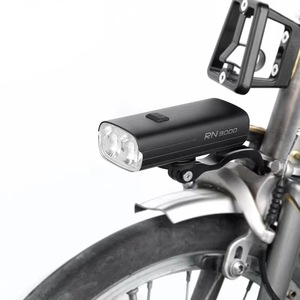
Choosing the right spot for the front lightis important. A common choice is near the handlebars. This location gives good visibility. It helps you see the road clearly. Make sure the light isn’t blocked by cables. An unblocked light shines brightly. You should test the position before riding.
Rear Light Placement
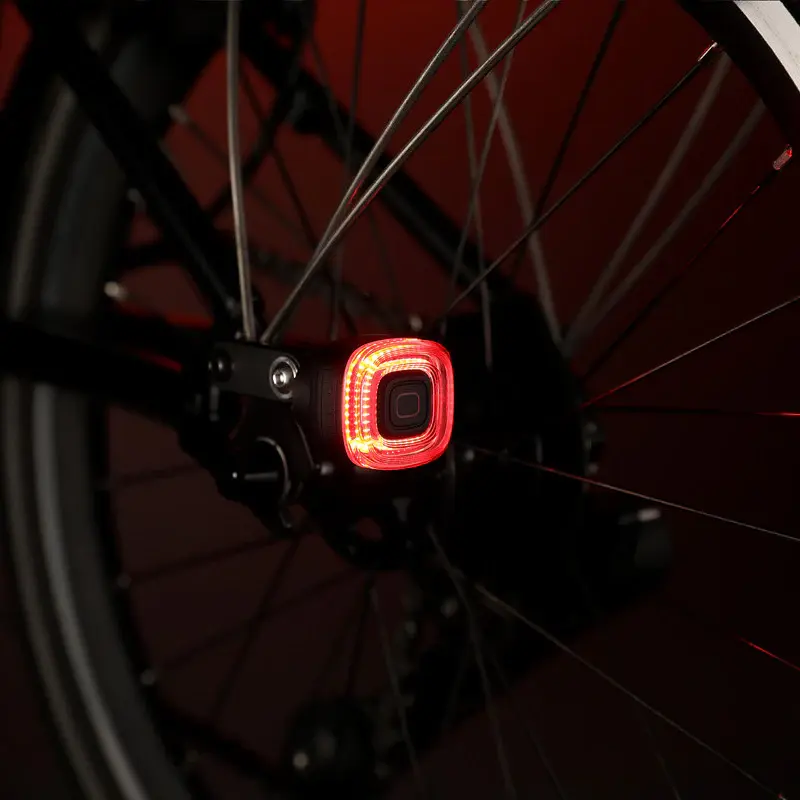
The rear lightkeeps you visible to others. Attach it to the seat post for best results. This spot is popular among cyclists. It provides clear visibility to traffic behind you. Ensure the light is secure. A secure light won’t fall off during rides. Check the light often for safety.
Handlebar And Frame Options
Mounting lights on the handlebaror frame is smart. These spots are stable and sturdy. They keep the lights steady while cycling. Choose mounts that fit well. A good fit prevents wobbling. You should adjust the position if needed. Adjusting helps improve visibility.
Tools And Materials Needed
Gather a compact bike light set and mounting brackets. Include a multi-tool kit for adjustments. Ensure a sturdy screwdriver and zip ties for secure installation.
Essential Tools For Installation
A screwdriveris needed for adjusting screws. A wrenchhelps tighten bolts. Use a measuring tapefor precise placement. Allen keysare essential for hex bolts. A drillmight be needed for some mounts.
Recommended Mounting Kits
- Universal Clamp Kit– Fits various bikes easily.
- Adjustable Bracket Set– Offers flexible installation options.
- Rubberized Mounts– Prevents scratches on the bike.
- Quick-release System– Easy removal and attachment.
Credit: www.alibaba.com
Step-by-step Mounting Process
Mounting lights on folding bikes involves choosing the right light type, securing brackets, and ensuring a snug fit. Align the light to illuminate the path ahead. Check that all connections are tight, ensuring safe and bright rides.
Preparing The Bike
Ensure the bike is clean and dry. Check all parts for any damage. Look for the right spot for each light. Make sure the bike is stable. Use a stand if needed. Gather all needed tools and lights. Keep everything close to the bike.
Attaching Front Lights
Find the front handlebar. Wrap the light mount around it. Tighten it securely. Ensure the light faces forward. Adjust the angle for best visibility. Test the light. Check if it turns on easily. Make sure it stays firm when you ride.
Securing Rear Lights
Locate the seat post. Place the light mount around it. Tighten it to fit snugly. Ensure the light faces backward. Adjust it for clear visibility. Test the light for proper function. Ensure it stays steady while riding.
Testing And Adjustments
Testing and adjustments ensure lights are secure on folding bikes. Carefully test the lights for stability. Adjust positions if needed to avoid obstruction while folding.
Checking Light Functionality
Turn on the light. Check if it shines bright. Make sure it stays on. If it flickers, check the battery. Replace if needed. Test all modes. See if they work. Each mode should be clear.
Adjusting Light Angles
Move the light up and down. Find the best angle. It should light the path ahead. Avoid blinding others. Adjust side angles too. Make sure the light covers wide.
Ensuring Stability
Check the light’s mount. It should not wobble. Tighten any loose screws. Use a wrench if needed. Test by riding on bumps. The light should stay in place. No shaking or moving allowed.
Maintenance Tips
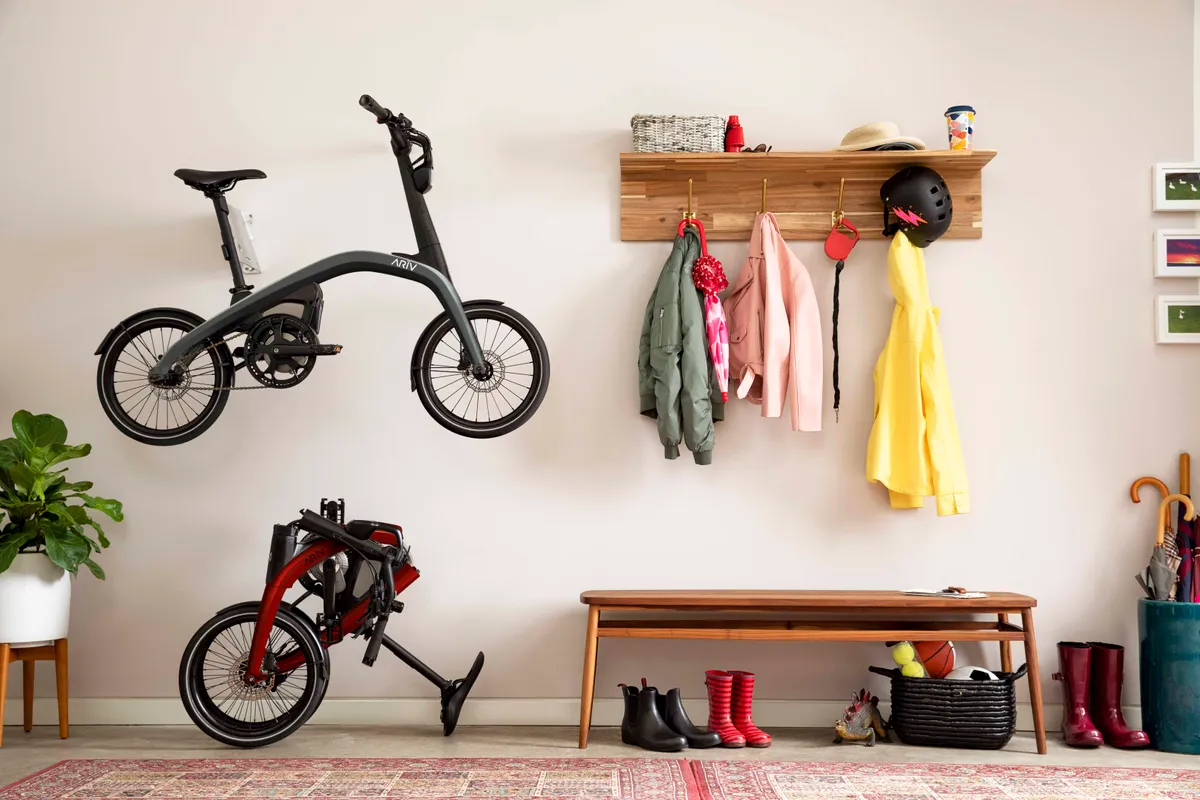
Mounting lights on folding bikes requires attention to detail. Secure lights using adjustable brackets for easy detachment. Ensure wiring is neatly tucked away to prevent damage during folding.
Cleaning And Care
Keep your folding bike lights free from dirt. Use a soft cloth to wipe the lights. Avoid using water directly on lights. This helps prevent damage. Clean the lights once a week. Use a gentle cleaner if needed. This ensures lights stay bright and shiny.
Battery Management
Check the battery regularly. Ensure it’s fully charged before each ride. Store spare batteries for long trips. Avoid exposing batteries to extreme heat or cold. This helps extend battery life. Replace old batteries promptly. This keeps your lights working well.
Regular Inspection
Inspect the lights before every ride. Ensure they’re securely mounted. Check for any loose screws or parts. Tighten them as needed. Look for cracks or damage in the lights. Replace damaged parts immediately. This ensures your safety on the road.
Credit: www.bikeradar.com
Frequently Asked Questions
How To Attach Bike Lights To Bike?
Mount bike lights on handlebars and seat post using adjustable brackets. Ensure they face forward and backward. Tighten screws or straps securely for stability during rides. Regularly check for secure attachment.
What Are The Disadvantages Of A Foldable Bike?
Foldable bikes can be less sturdy than traditional bikes. They may have smaller wheels, affecting speed and stability. Limited gears can restrict performance. Folding mechanisms might require maintenance. They can be less comfortable for long rides due to compact design.
Prices can be higher compared to standard bicycles.
What Is The Rule For Bike Lights?
Bike lights are mandatory at night and in low visibility. Use a white front light and a red rear light. Lights must be visible from 200 meters. Ensure they’re securely attached and functioning properly. Rechargeable lights are recommended for convenience and sustainability.
Always check local regulations for specific requirements.
Where Is The Best Place To Mount A Bike Headlight?
Mount the bike headlight on the handlebars for optimal visibility. Ensure it’s angled slightly downward to illuminate the path. Secure it firmly to prevent movement during rides. A central position on the handlebars enhances balance and prevents obstruction. Prioritize safety by regularly checking its battery and positioning.
Conclusion
Mounting lights on folding bikes is essential for safety. Choose lights that fit your bike’s design. Secure them tightly to avoid movement during rides. Ensure the lights are bright enough for night visibility. Regularly check batteries to keep lights functional.
Consider weather conditions when selecting lights. Waterproof options are best for rainy days. Properly mounted lights make biking safer. Your rides will be more enjoyable and stress-free. Always prioritize safety on the road. Happy biking!



