
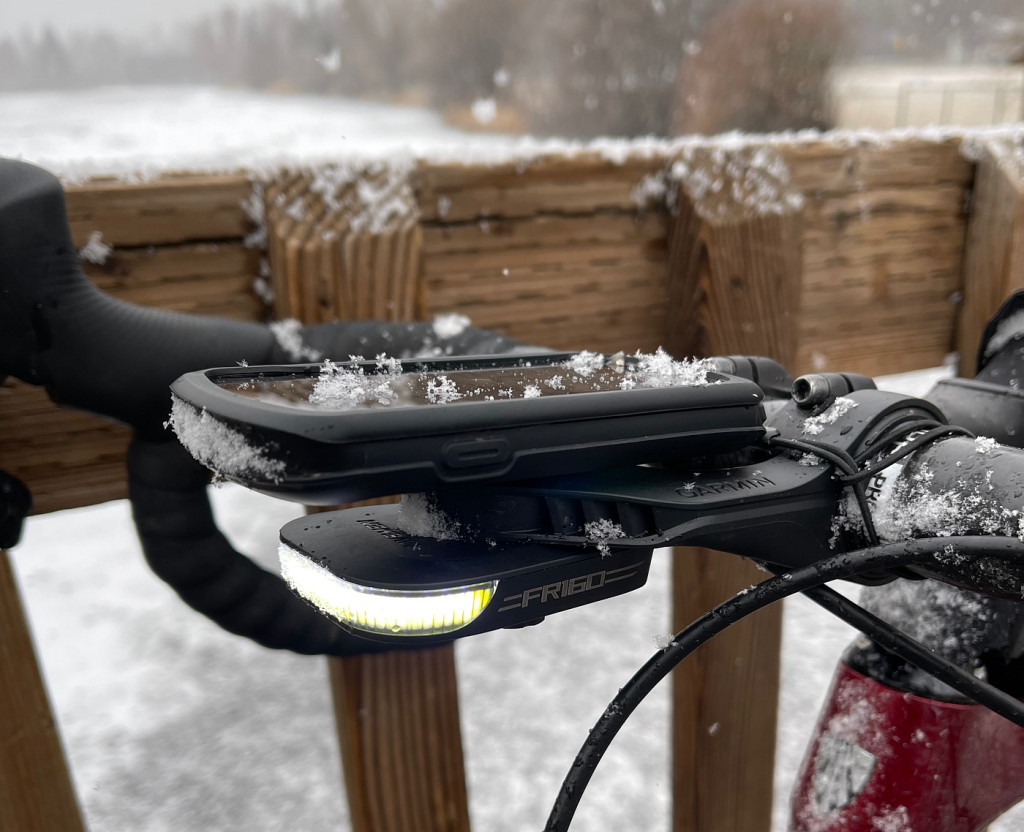
Picture this: you’re cycling down a scenic path, the sun is shining, and everything feels perfect. But there’s one thing that could make your ride even safer—bike lights.
You might associate bike lights with nighttime rides, but using them during the day can be a game-changer. Imagine enhancing your visibility, capturing the attention of drivers and pedestrians, and feeling more secure on the road. You care about your safety, and you want to enjoy your ride without worry.
This article will show you how bike lights can boost your daytime cycling experience. You’ll learn simple, effective strategies that can make a big difference. Keep reading to discover how to transform your ride with just a flick of a switch. Your next adventure awaits, and it starts with the power of light.

Credit: www.amazon.com
Importance Of Daytime Visibility
Being seen during the day is crucial for safety. Bright lights on your bike help others see you. Cars and pedestrians notice bikes with lights. Daytime running lights are effective even in sunlight. Choose lights that flash or blink for more visibility.
Use lights at the front and back of your bike. White lights are ideal for the front. Red lights work best at the back. Some riders use side lights for extra safety. Properly position your lights for maximum effect.
Check your bike lights regularly. Ensure they are charged and working. Keep extra batteries or a charger handy. By using lights, you help prevent accidents. Stay safe while enjoying your ride.
Types Of Bike Lights
Front lightsare very important for bike safety. They help you see the road. They also make you visible to cars. Front lights come in different brightness levels. Some are small and easy to carry. Others are big and very bright. Always choose a light that fits your needs. Make sure it is charged before every ride.
Rear lightskeep you safe from behind. They warn cars that you are there. These lights often blink to grab attention. They are usually red in color. You can attach them to your bike seat. Some rear lights also have multiple modes. Choose one that is easy to use. Check it regularly to ensure it works.
Side lightshelp when riding at night. They make you visible from the side. Cars can see you better with side lights. They are often used in cities. Side lights come in many colors. You can attach them to bike wheels or frame. They add extra safety to your ride.
Choosing The Right Lights
Bike lights need to be bright. Daytime riding requires more light. Look for lights with high lumens. The more lumens, the brighter the light. This helps cars see you better. It keeps you safe.
Lights have different beam patterns. Some are wide, others are narrow. A wide beam lights up more area. A narrow beam is good for seeing far. Choose one that fits your ride. A mix of both can be helpful too.
Check the battery life of your lights. Longer battery life means fewer charges. This is good for long rides. Some lights have replaceable batteries. Others need charging. Pick what suits your needs best.
Mounting And Positioning
Bike lights enhance visibility during daytime rides. Mount them on handlebars or helmets. Ensure they’re angled for optimal sight and safety.
Front Light Placement
Place the front light on the handlebar. Make sure it’s centered. This helps you see the road better. Aim the light slightly down. This avoids blinding other people. Check that it’s secure. You don’t want it to fall off.
Rear Light Placement
Attach the rear light to the seat post. It should face straight back. This makes sure others see you. Keep it at a visible height. Lower lights are harder to see. Ensure the light is bright enough. It should work well in daylight too.
Side Light Placement
Side lights can go on the wheels. They help others spot you. Use spoke lights if possible. These spin and catch the eye. Make sure they are bright. Visibility from the side is important. Secure them well to avoid losing them.
Maximizing Visibility
Bike lights come with different modes. There are steady and flashing modes. Flashing lights grab more attention. They can be seen from far away. Steady lights help in foggy weather. Switching modes can save battery life.
Reflective gear boosts your visibility. It shines bright in car lights. Wear jackets with reflective strips. Get reflective shoes or ankle bands. These make you stand out on the road. They are very important for safety.
Wearing bright colors helps. Choose yellow, orange, or neon. These colors pop in daylight. They contrast with the road and trees. Dark colors blend in. Bright colors make you more visible. This helps drivers see you better.

Credit: www.youtube.com
Maintenance And Care
Proper use of bike lights during daytime enhances visibility and safety. Position lights on handlebars for optimal effect. Ensure they are bright enough to be seen in sunlight.
Cleaning Lights
Keep your bike lights cleanfor bright visibility. Use a soft cloth. Wipe off dirt and dust. Avoid using water directly on the lights. Water can damage them. Check the lens for scratches. Replace if they are too foggy.
Battery Management
Always check your battery levels before riding. Keep spare batterieshandy. Charge them regularly. Avoid overcharging to keep them healthy. Store batteries in a cool place. This helps them last longer.
Regular Checks
Check your lights regularly. Make sure they are workingfine. Tighten any loose screws. Look for cracks or damage. Test the brightness. If dim, change the batteries. Keep your lights in good shape for safety.
Legal Requirements
Bike lights are essential for daytime riding to enhance visibility and comply with legal safety standards. Ensure your lights are bright and positioned correctly to be seen by others. Check local laws for specific brightness and mounting requirements.
Regulations For Daytime Lights
Biking during the day requires proper lights. Many places have laws for bike lights. These laws keep riders safe. Check what your area needs. Some areas want front and rear lights. Others ask for just a front light. Lights make bikes visible to others. Bright lights help during cloudy days. Choose lights that are easy to install and remove.
Local Laws And Guidelines
Each place has its own bike rules. Local laws may differ from nearby towns. Always know your area’s bike light rules. Guidelines help riders stay safe. Follow these for better biking experiences. Some places have fines for no lights. Avoid trouble by using lights properly. Check your lights often to ensure they work.
Tips For Safe Riding
Ensure your bike lights are visible during the day by setting them to flash mode. Position the front light on the handlebars and the rear light on your seat post. Regularly check the battery level to maintain brightness and stay safe.
Communicating With Drivers
Using bike lights is important for safety. Lights help drivers see you better. Use both front and rear lights. This makes you more visible on the road. Flashing lights can grab drivers’ attention quickly. Always signal before turning or stopping. Hand signals are useful. Bright clothing can also help drivers notice you.
Route Planning
Choose safe routes for riding. Bike lanes and paths are safer than busy roads. Avoid roads with heavy traffic. Look for routes with good lighting. Plan your route before leaving. Use maps or apps to find the best path. Shortcuts can save time but may not be safe. Always prioritize safety over speed.
Weather Considerations
Check the weather before you ride. Rain and fog can make riding dangerous. Use extra lights in bad weather. Wear a waterproof jacket if it rains. Wind can be strong, affecting balance. Dress warmly in cold weather. Heat can cause dehydration, so drink enough water. Always be prepared for sudden weather changes.

Credit: www.instagram.com
Frequently Asked Questions
Do I Need Bike Lights During The Day?
Bike lights improve visibility, making you more noticeable to drivers during daylight. They enhance safety on cloudy days.
What Is The Rule For Bike Lights?
Bike lights must be used from sunset to sunrise and in low visibility. Front lights should be white, while rear lights should be red. Both should be clearly visible from a distance. Proper lighting ensures safety and compliance with traffic regulations.
When Should Bike Lights Be On?
Bike lights should be on during low visibility conditions. Turn them on at dusk, night, and dawn. Use lights in foggy or rainy weather, and in tunnels. Ensure they are on in poorly lit areas for safety and compliance with local laws.
Do Bike Lights Go On The Front Or Back?
Bike lights are essential for safety. Front lights are white and help illuminate your path. Rear lights are red and increase visibility to others. Install both lights for optimal safety during night rides.
Conclusion
Riding with lights during the day boosts your safety. They’re not just for night rides. Bright lights make you visible to drivers. Choose lights with high lumens. Mount them on your handlebars and helmet. Test your lights before heading out.
Make sure batteries are charged. Regularly check light positions. Adjust them to prevent glare. Stay visible in different weather conditions. Daytime lights can prevent accidents. Invest in quality lights for peace of mind. Prioritize safety on every ride. Simple steps make a difference.
Enjoy your ride with confidence. Stay safe and visible.



