
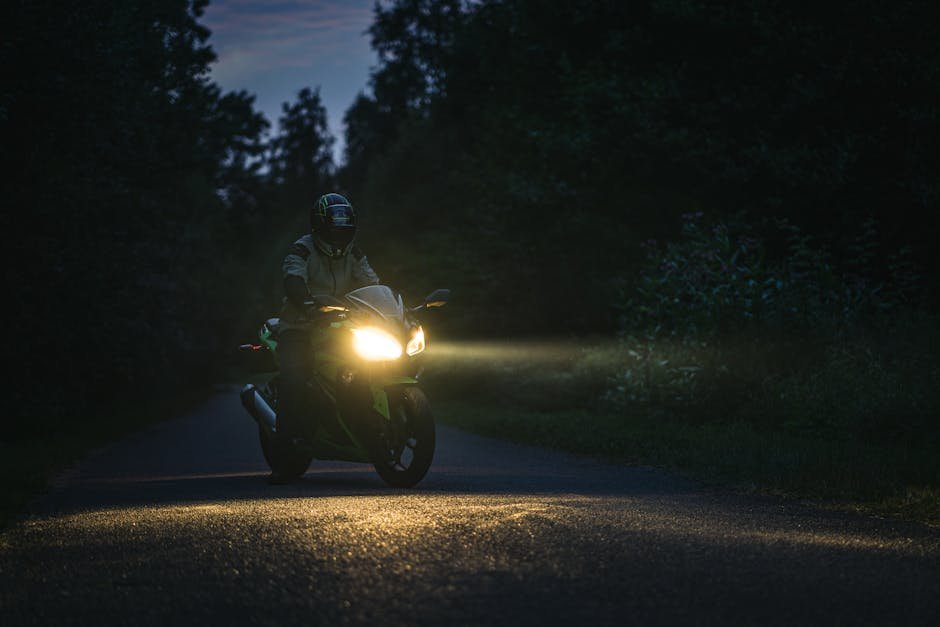
Imagine the thrill of racing through the night, the cool air brushing against your skin, and the adrenaline pumping through your veins. But as the sun sets and darkness begins to envelop the path ahead, one crucial element becomes your guiding star—your bike lights.
You know how essential they are for safety, but did you know they can also enhance your performance in races? Whether you’re competing in a local event or taking on a challenging trail, using bike lights strategically can give you a competitive edge.
You’re about to discover how to optimize your bike lights for maximum visibility and improved race results. Keep reading to learn expert tips that could transform your night rides from ordinary to extraordinary, allowing you to ride with confidence and captivate every moment of your race.

Credit: magicshine.com
Choosing The Right Bike Lights
Bike lights come in different types. The main ones are front lightsand rear lights. Front lights help you see the road. Rear lights help others see you. Some lights flash. Flashing lights grab attention. Choose lights that suit your needs.
Lumens measure how bright a light is. More lumens mean a brighter light. For races, choose lights with at least 200 lumens. Bright lights help in dark places. They make it safer for you and others. Check the lumens before buying lights.
Battery life is important for bike lights. Long races need lights with longer battery life. Check how many hours the lights last. Rechargeable lights are better for long use. They save money and are eco-friendly. Always carry spare batteries just in case.
Mounting Bike Lights Properly
Ensure bike lights are securely mounted to handlebar or helmet for optimal visibility during races. Position lights to illuminate the path clearly and avoid blinding fellow racers. Adjust angles for maximum coverage, enhancing safety and performance.
Front Light Positioning
Place the front light on the bike’s handlebar. Ensure it faces straight ahead. This helps light the path. Keep the light secure to avoid shaking. Avoid pointing it too high or low. This ensures clear visibility for you and others.
Rear Light Setup
Attach the rear light to the seat post. Make sure it points backwards. This alerts riders behind you. Adjust brightness based on race conditions. Secure tightly to prevent falling off. Check the light before the race starts.
Handlebar And Helmet Mounts
Use mounts to attach lights to handlebars and helmets. Handlebar mounts provide stability. Helmet mounts give flexible positioning. Choose mounts that fit securely. Make sure the lights do not move while racing. Adjust lights for clear visibility.
Optimizing Light Use For Performance
Bike races require strategic use of lights for safety and visibility. Position lights to enhance your path and alert others. Adjust brightness to avoid blinding fellow racers, ensuring a smooth ride.
Adjusting Light Intensity
Adjusting the light brightness can help in bike races. High intensity is good for dark areas. Lower intensity saves battery in bright places. Always check the light settings before a race. This helps in better energy management.
Maximizing Visibility In Different Conditions
Use bright lights in fog or rain. Make sure the light is visible from far away. Angle the light to avoid blinding others. Keep the light clean and free from dirt. This ensures clear visibility.
Energy Conservation Strategies
Turn off lights during the day to save power. Switch to eco-mode if available. Carry extra batteries or a power bank. This helps if the battery runs low. Plan battery use to last the whole race.

Credit: bookmanvisibility.com
Safety Measures With Bike Lights
Light glare can be dangerous during races. Adjust your lights so they point down. This helps other riders see clearly. Use lights with low beam settings. This reduces glare for everyone. Keep your lights clean. Dirt and dust can cause extra glare. Regularly check your lights. Make sure they are working right.
Signals help others know your moves. Use rear lights for signaling stops. Flashing lights are best for this. Hand signals are also important. Use them with your lights. Front lights can signal turns. Flash them quickly to alert others. Practice using these signals at home.
Emergencies need special lights. Bright flashlights can help. Attach them to your helmet. Small backup lights are useful too. They fit in your pocket. Always carry extra batteries. Rechargeable lights are a good option. They save money and time. Keep a plan for emergency lighting.
Legal Considerations
Understanding legal considerations is crucial for using bike lights in races. Ensure your lights comply with race regulations to avoid penalties. Check local laws for brightness and positioning requirements to stay safe and legal.
Race Regulations On Bike Lights
Bike races have rules for using lights. Some races ban bright lights. This is to avoid disturbing other racers. Always check the race rules before entering. Safety is important for everyone.
Compliance With Local Laws
Local laws may require bike lights at night. This keeps bikers safe on roads. Not using lights can lead to fines. Always stay updated on local rules. Safe biking is smart biking.
Understanding Restrictions
Some races have strict light rules. Bright lights can be banned. This prevents blinding other racers. Always understand the restrictions. Follow rules for a fair race.

Credit: www.amazon.ca
Advanced Tips For Competitive Racing
Using bike lights strategically can enhance visibility and safety during races. Position lights to highlight the bike’s profile and ensure consistent illumination throughout the course.
Customizing Light Settings
Choose the right brightnessfor different tracks. Dark tracks need brighter lights. Adjust the beam angleto cover more ground. Test different flash modesfor better visibility. Customize settings to suit weather conditions. Practice switching modes quickly during races.
Integrating Lights With Other Gear
Combine lights with helmets for better safety. Use light mounts that fit securely on bikes. Check compatibility with other gear. Ensure lights do not block vision. Keep lights steady during rough rides. Coordinate gear colors for improved visibility.
Analyzing Competitors’ Light Strategies
Observe competitor’s light choices. Notice brightness levels they use. Study their light placement on bikes. Learn from their light settings and adjust yours. Identify patterns in their light usage. Use this knowledge to gain an advantage.
Frequently Asked Questions
What Is The Rule For Bike Lights?
Bike lights must be used from sunset to sunrise. Front lights should be white, rear lights red. They need to be visible from 500 feet. Proper maintenance ensures effective visibility and safety. Check local laws for specific requirements on brightness and flashing modes.
Always prioritize safety when cycling.
How Do Bike Lights Work?
Bike lights use LEDs or bulbs powered by batteries or dynamos. They illuminate for visibility and safety. Front lights shine white, while rear lights glow red. Some lights offer flashing modes to conserve power and attract attention. Quality lights are essential for nighttime cycling or low-light conditions.
Do You Need Bike Lights For Ironman?
Bike lights are not mandatory for Ironman races. Ensure safety by following race-specific guidelines for visibility. Always prioritize safety and check race rules for any updates.
How To Use Cycle Lights?
Install front and rear lights on your cycle. Turn them on before starting your ride, especially at night. Ensure the lights are bright and visible. Check battery levels regularly for optimal performance. Adjust the angle to illuminate the road without blinding others.
Conclusion
Bike lights in races keep you safe and visible. Use them wisely. Choose the right brightness for the weather. Attach them securely to avoid distractions. Test them before the race starts. Check the battery life for long events. Adjust the angle to cover the path ahead.
Stay visible to others on the track. Follow these tips for a smooth race experience. Bike lights aren’t just for night rides. They enhance your racing performance. Safety first, always. Prepare well and enjoy your race!



