
Imagine cruising through the darkened streets or trails, where every twist and turn is cloaked in mystery. As thrilling as night riding can be, it also requires a vital accessory: the right bike lights.
You might think it’s as simple as buying the first set you come across, but choosing the perfect bike lights can make all the difference in your safety and riding experience. Without the right illumination, you risk unseen obstacles and potential accidents.
You deserve to ride with confidence and clarity, knowing that your path is well-lit and secure. In this guide, we’ll unravel the secrets to selecting bike lights that will illuminate your night rides and make them unforgettable. Ready to discover what you need for a safer and more exhilarating ride? Let’s dive in!

Credit: www.amazon.com
Importance Of Bike Lights
Choosing the right bike lights is vital for safe night riding. Brightness and beam pattern ensure visibility in low light. Rechargeable options offer convenience, while waterproof designs withstand unpredictable weather.
Safety And Visibility
Bike lights help others see you at night. They make riding safe. Bright lights show the way on dark paths. They help avoid obstacles and bumps. Lights help drivers spot you from far away. This prevents accidents and keeps everyone safe. Choose lights that are bright and easy to attach. Look for lights with long battery life. Rechargeable lights are good for the environment.
Legal Requirements
Many places have laws about bike lights. It’s important to know these rules. Usually, a white front light is required. A red back light is often needed too. Reflectors on wheels and pedals might be necessary. Breaking these rules can lead to fines. Stay informed to avoid trouble. Check local laws before riding at night. Being prepared keeps you safe and legal.
Types Of Bike Lights
Choosing bike lights for night riding involves understanding different types. Front lights help you see ahead, while rear lights alert others. Consider brightness, battery life, and mounting options to find the right fit for your needs.
Front Lights
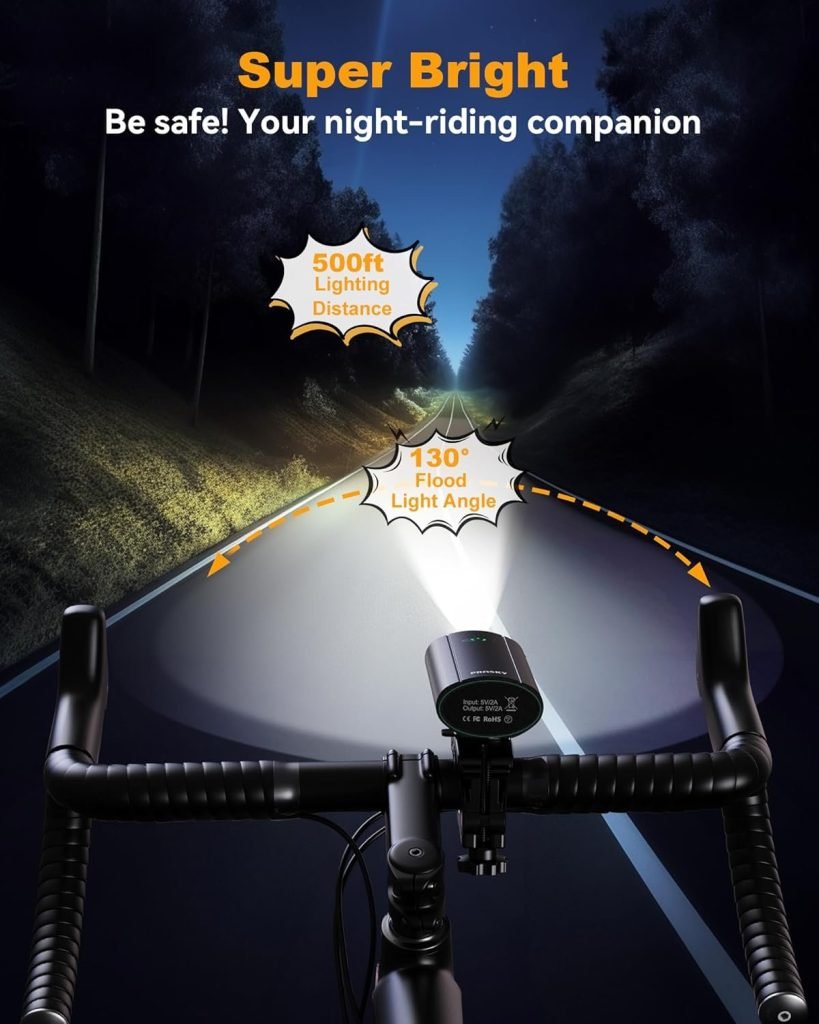
Front lights help you see ahead. They make you visible to cars. Choose bright lights for dark roads. Look for LED lights. LEDs last longer and shine brighter. Check for adjustable brightness. You need less light in cities. More light is needed in forests.
Rear Lights
Rear lights keep you safe. Cars see you better with them. Choose red lights for the back. Flashing lights are good for attention. Make sure they are waterproof. Water can damage them. Check for easy-to-mount options. You should attach them securely.
Side Lights
Side lights help in traffic. They make you visible from the side. Choose lights with 360-degree visibility. Bright colors like yellow are best. Ensure they are lightweight. Heavy lights slow you down. Look for rechargeable batteries. They save money over time.
Brightness Levels Explained
Lumens tell how bright a light is. More lumens mean more light. Bike lights with high lumens are very bright. They help you see better at night. Visibility is how well others see you. Both are important for safe night riding. Always check the lumens before buying. Choose the right light for your ride.
Think about where you will ride. Bright city streets need fewer lumens. Dark trails need more lumens. Too bright can blind other people. Too dim might not be safe. Pick a light that fits your route. Read the packaging for details. Test the light before buying if possible. Safety is the most important thing.
Battery Types And Longevity
Consider battery types and longevity when choosing bike lights for night riding. Rechargeable options offer convenience, while disposable batteries might last longer. Select wisely for optimal performance.
Rechargeable Vs. Disposable
Rechargeable batteriesare good for regular night rides. They save money over time. You can charge them many times. Disposable batteriesare easy to find. They are good for emergencies. But, they create more waste. Rechargeable options are eco-friendly. Disposable ones are often cheaper initially.
Battery Life Considerations
Check how long the battery lasts. This is important for safety. A longer battery life means fewer charges. Some lights last two hours. Others can last up to ten hours. Brightness affects how long the battery lasts. Brighter lights use more battery power. Always carry extra batteries for long rides.
Mounting Options
Handlebar mounts are easy to use. They attach directly to the bike’s handlebars. This position gives a wide beam of light. It’s perfect for seeing the road ahead. Most mounts use straps or clamps. Make sure the light is secure. It shouldn’t wobble while you ride. Check if the mount fits your handlebar size.
Helmet mounts let you shine light where you look. These are great for trails and dark paths. The light follows your head movements. It’s handy for spotting obstacles. Make sure your helmet is compatible. The mount should not be too heavy. A heavy mount can strain your neck. Adjust the strap for a snug fit.
Seatpost mounts are mainly for rear lights. They help you stay visible to others. These mounts attach to the bike’s seatpost. They are crucial for night safety. Ensure the light is bright and red. Some mounts offer quick release. This feature makes it easy to remove the light. Always check the mount’s grip before riding.

Credit: www.amazon.com
Weather Resistance
Choosing bike lights for night riding requires considering weather resistance. Opt for lights with waterproof features for reliable performance in rain or fog. Durable materials ensure lights withstand harsh conditions and last longer.
Waterproof Features
Bike lights must be waterproof. Rain can surprise you anytime. Check for IPX ratings. An IPX4 rating means light can handle splashes. Higher ratings, like IPX7, mean better protection. Lights with rubber seals are more secure. Secure lights are safe from water.
Durability In Different Conditions
Bike lights should be durable in all weather. Choose lights made of strong materials. Metal or high-quality plastic are good options. Lights should work in hot and cold weather. Ensure they stay bright in fog and rain. Reliable lights last longer and keep you safe.
Additional Features To Consider
Consider features like water resistance for rainy rides. Adjustable brightness is key for adapting to different environments. Longer battery life ensures you won’t be left in the dark during long rides.
Light Modes And Settings
Many bike lights offer different modes. You can choose from steady, flashing, or pulsing. Each mode helps in different ways. Flashing modes grab attention quickly. Steady modes are good for clear paths. Pulsing modes save battery and still alert others. Check if the light has a memory function. This feature remembers your last setting. It saves time during your next ride.
Smart Technology Integration
Some lights come with smart technology. These lights can connect to your smartphone. You can control settings from your phone. Some even adjust brightness automatically. This is based on your speed or surroundings. Smart lights can have a built-in GPS. This helps track your location. It’s useful if you lose your way. Check if your light has these cool features. They make rides safer and more fun.

Credit: praskylife.com
Budget Considerations
Considering your budget is crucial when selecting bike lights for night riding. Balance cost with quality and features to ensure safety and visibility. Opt for durable lights that fit your budget while offering reliable illumination.
Cost Vs. Quality
Choosing bike lights can be tricky. Cheaper lights may save money, but they might not last long. Expensive lights usually offer better brightness and durability. It’s important to find a balance between cost and quality. Safety should be the main concern when picking lights. Bright lights help others see you easily at night.
Affordable Options
There are many affordable bike lights available. Some brands offer good lights at low prices. Look for lights with LED bulbs. LED bulbs are bright and last long. Rechargeable lights save money on batteries. Check online reviews for the best affordable lights. Many cyclists share their experiences. This can help make a smart choice.
Expert Recommendations
Choosing the right bike lightsis important for night riding. Some brands are known for quality lights. Lezyneoffers durable and bright options. Cateyeis famous for long-lasting battery life. Knogprovides stylish designs with good brightness. These brands ensure safety during night rides.
- Lezyne lights are very bright, say many users.
- Cateye batteries last long, users often mention.
- Knog designs are stylish and easy to use.
- Most users find these lights reliable.
- These brands have positive reviews online.
Frequently Asked Questions
What Lights Do You Need On A Bike At Night?
A bike at night needs a white front light and a red rear light. Ensure they are bright and visible. Reflectors on the pedals, wheels, and clothing enhance safety. Rechargeable LED lights are ideal for long-lasting visibility. Always check local regulations for specific lighting requirements.
How Many Lumens Do I Need For Night Bike Riding?
For night bike riding, you need lights with at least 500 to 1000 lumens. Urban areas require around 500 lumens, while off-road trails need 1000 lumens for safety. Ensure your light provides a wide beam and adjustable settings for optimal visibility.
Prioritize rechargeable lights for convenience.
Is 800 Lumens Enough For Night Riding?
800 lumens can be sufficient for night riding on well-lit streets. For darker trails or rural areas, consider higher lumens for better visibility. Always prioritize safety and adjust brightness based on riding conditions.
What Is The Rule For Bike Lights?
Bike lights must be used from sunset to sunrise. Front lights should be white; rear lights should be red. Lights must be visible from 500 feet. Flashing or steady modes are acceptable. Proper lighting ensures safety and compliance with regulations.
Conclusion
Choosing the right bike lights ensures a safe night ride. Prioritize brightness for visibility. Consider battery life for longer journeys. Opt for waterproof lights in rainy areas. Mount lights securely to avoid accidents. Test lights before heading out. Reflect on your riding conditions.
City or countryside? Each requires different lighting needs. Always invest in quality lights for durability. Your safety matters most. Stay visible. Stay safe. Enjoy your nighttime adventures with confidence. Happy riding!



