
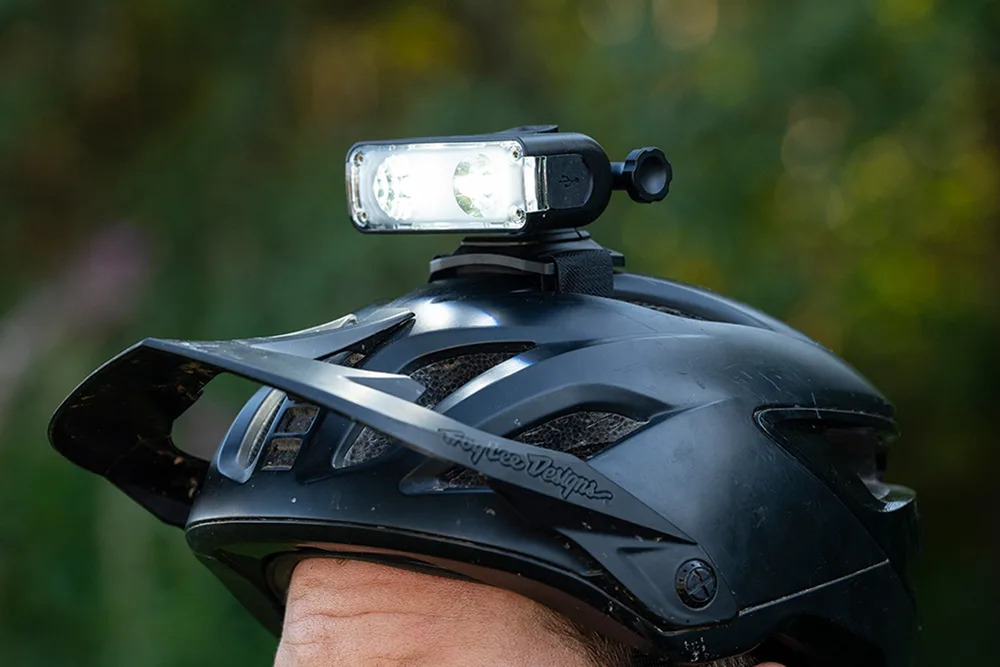
Imagine cycling down a dark path with the wind in your hair and the excitement of the ride ahead. But there’s one thing that can instantly turn your thrilling adventure into a nerve-wracking experience: poor visibility.
This is where helmet lights come to your rescue. They are not just accessories; they are essential tools for safety and enjoyment. Have you ever felt the rush of adrenaline mixed with a tinge of anxiety because you couldn’t see clearly?
Or perhaps you’ve wished for a way to signal your presence to vehicles and fellow cyclists alike? With helmet lights, you can transform those concerns into confidence. Discover how to use these lights effectively, ensuring every ride is illuminated, safe, and exhilarating. Dive in, and let’s light the way to safer cycling adventures!

Credit: www.youtube.com
Choosing The Right Helmet Light
Helmet lights come in different types for cycling. LED lights are the most common. They are bright and last long. HID lights are brighter but use more power. Halogen lights are older and not very bright. Choose the type that fits your need.
Brightness is measured in lumens. More lumens mean more light. A good helmet light has at least 200 lumens. Beam patterns can be wide or narrow. Wide beams light up more area. Narrow beams focus on one spot. Pick the pattern that suits your ride.
Battery life is important for long rides. Check how many hours a light can last. Some lights have rechargeable batteries. Others use replaceable batteries. Rechargeable ones save money. Replaceable ones are easy to swap. Always carry extra batteries for safety.

Credit: www.facebook.com
Installation And Setup
Secure the helmet light tightly to avoid slipping during rides. Adjust the angle for optimal visibility. Test the light before every ride to ensure it functions properly.
Mounting Options
Choose between straps or clips for mounting. Straps are flexible and easy to adjust. Clips provide a secure hold. Make sure the mount fits your helmet well. Test the fit before riding.
Adjusting Light Angles
Point the light slightly downward. This helps avoid blinding others. Adjust the angle for better road visibility. Ensure the light covers your path efficiently. Check angles during night rides.
Securing Light Fixtures
Tighten screws or straps firmly. Loose fixtures may fall off. Ensure no wobbling on bumpy roads. Regularly check fixtures for tightness. Secure fixtures prevent accidents and distractions.
Effective Usage Tips
Choose helmet lights with adjustable settings for different lighting conditions. Securely attach lights to avoid falling during rides. Ensure the light beam is directed forward for optimal visibility.
Optimizing Visibility
Keep your helmet lights clean and clearfor best visibility. Adjust the angle to focus lightwhere it’s needed most. Use a bright lightfor night cycling. Choose lights with multiple brightness settingsfor different situations.
Using Light In Different Weather Conditions
Use strong lights in foggy weatherto see better. Rainy days need lights with waterproof features. Bright and sunny days might require lower brightness. Adjust settings for different weather conditions.
Conserving Battery Power
- Turn off lights when not needed.
- Use energy-saving modes.
- Recharge batteries regularly.
- Check battery level before cycling.
Safety And Maintenance
Check your helmet light often. Look for any cracks or damages. Make sure the light is working well. Test it in a dark room. See if it is bright enough. Change the batteries if needed. This keeps the light strong and reliable.
Keep your helmet light clean. Use a soft cloth to wipe it. Remove dirt and dust gently. Avoid using water directly. Water can damage the light. Store the helmet in a dry place. This will help it last longer.
Some parts may wear out over time. Look for worn-out straps or clips. Replace them if they are broken. Check if the light cover is scratched. Replace it to keep the light clear. Spare parts can be found online or in stores.
Additional Accessories
Helmet lights enhance visibility during cycling, ensuring safer rides. Attach them securely for optimal illumination on dark paths.
Complementary Gear
Wearing the right gear makes cycling safer. Helmet lights are great, but they work better with other tools. Reflective materials on clothing make you visible. They shine bright when cars approach. Gloves and padded shorts add comfort. They keep hands and legs cozy. Always wear a cycling helmet for head safety.
Reflective Materials
Reflective materials help in the dark. Reflective vests and jackets are smart choices. They glow when light hits them. Reflective strips on shoes and bike wheels add more safety. Reflective stickers on helmets are simple but effective. They help others see you easily.
Backup Lighting Options
Backup lights are handy if the main light fails. Small LED lights fit well on bikes. They are easy to carry. Clip-on lights are a good option too. They attach to clothes or bags. Always have a backup light ready for emergencies.

Credit: redshiftsports.com
Frequently Asked Questions
Are Helmet Lights Worth It?
Helmet lights enhance visibility, increasing safety for cyclists and motorcyclists. They improve night-time and low-light conditions. Many find them essential for better road presence. Some models offer adjustable settings and long battery life, providing added convenience. Investing in helmet lights can significantly boost your safety during rides.
What Is The 2 2 2 Rule When Fitting A Helmet On Your Head?
The 2 2 2 rule for helmet fitting ensures safety. First, place two fingers above your eyebrows. Second, ensure two fingers fit between the chin strap and chin. Lastly, position the helmet straps to form a “V” shape below your ears.
This rule optimizes helmet comfort and security.
How To Attach Bike Light To Helmet?
Secure the bike light using a helmet mount. Choose a mount compatible with your helmet. Attach the light firmly to ensure stability during rides. Adjust the angle for optimal visibility. Ensure it doesn’t obstruct your view or helmet’s fit. Test the setup before cycling.
Are Helmet Lights Legal?
Helmet light legality varies by location. In many regions, they’re legal if not dazzling or distracting. Always check local regulations.
Conclusion
Helmet lights improve your cycling safety during night rides. They help you see better and make you visible to others. Choosing the right helmet light is important. Consider brightness, battery life, and weight. Easy to install and use, these lights enhance your cycling experience.
Test your helmet light before heading out. Ensure it fits well and provides good visibility. Regularly check its battery and adjust settings for optimal performance. Enjoy safer rides with helmet lights, keeping you confident and secure. Stay safe. Ride smart.
Experience the difference helmet lights make in your cycling adventures.



