
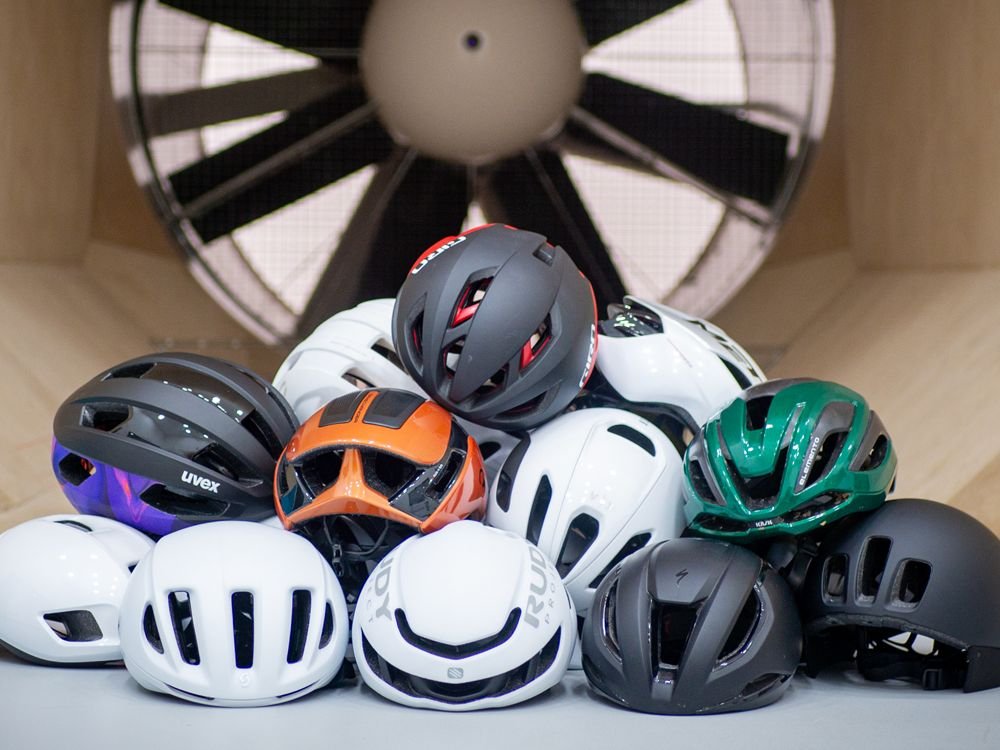
Imagine cruising down a scenic path with the wind in your hair, feeling free and adventurous. But wait—without the right helmet, your ride might not be as comfortable or safe as you hope.
You know wearing a helmet is crucial, but did you know that the ventilation it offers can transform your biking experience? Whether you’re a casual rider or a seasoned cyclist, understanding the different types of helmet ventilation can make all the difference.
With this insight, you can enjoy cooler rides, stay focused, and optimize your performance on the trails. Stick around as we unravel the mystery behind bike helmet ventilation types, helping you choose the perfect fit for your next adventure.
Credit: gearjunkie.com
Importance Of Helmet Ventilation
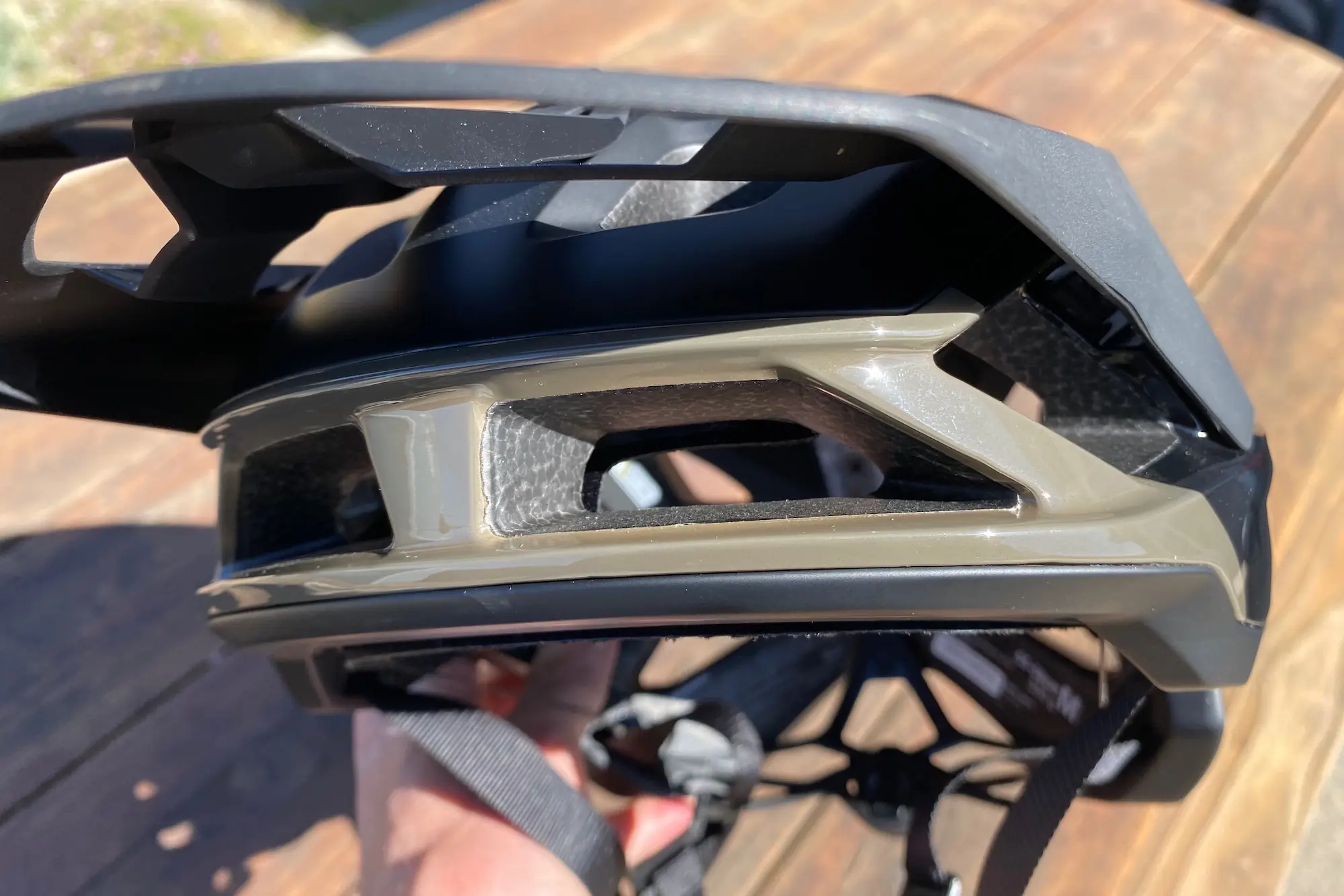
Helmet ventilation is crucial for comfort and safety. Proper airflow keeps your head cool. It prevents sweat from blocking your view. A well-ventilated helmet reduces heat buildup. This helps in maintaining focus on the road. It also decreases the chance of overheating.
Different ventilation types offer varied benefits. Some helmets have large vents for better airflow. Others use small vents for minimal wind resistance. The right choice depends on your riding style. Consider both comfort and performance when choosing.
Ventilation also affects helmet weight. More vents can mean a lighter helmet. But too many can reduce protection. Balance is key for both safety and comfort. Always test the helmet fit and ventilation before buying. A well-ventilated helmet enhances your riding experience.
Credit: poc.com
Vented Vs Non-vented Helmets
Vented helmets have holes or slits. These allow air to flow through. This keeps the head cool. Non-vented helmets lack these openings. They are warmer to wear. Vented helmets are great for hot days. They help reduce sweat. Non-vented helmets offer better protection. They are ideal for cold weather. Choosing the right helmet depends on the weather. Think about where you’ll ride. Both types have their own benefits.
Vented helmets are lighter. They are more comfortable for long rides. Non-vented helmets are heavier. They feel more snug and secure. Each type has different uses. Make sure to pick what suits you best.
| Helmet Type | Ventilation | Best Use |
|---|---|---|
| Vented | Air flow | Hot weather |
| Non-Vented | No air flow | Cold weather |
Channel Ventilation System
Channel ventilation helps keep your head cool. Air enters through front vents. It flows through channels inside the helmet. The air then exits through rear vents. This system works well for longer rides. It helps sweat evaporate quickly. Cooling keeps cyclists comfortable and safe. Fresh air also reduces heat buildup.
Many helmets have adjustable vents. These allow riders to control airflow. You can close vents on cold days. Open them wide when it’s hot. This flexibility is useful in varying weather conditions. Helmets with good channel systems are lightweight. They do not add much extra weight.
Choose a helmet that fits snugly. A good fit ensures maximum ventilation. It also protects your head better. Remember, a comfy helmet encourages longer, safer rides.
In-mold Ventilation Technology
In-Mold ventilation technologyis used in many bike helmets today. This technology connects the outer shell to the foam liner. It makes the helmet both strong and lightweight. The design includes air channels. These channels let air flow through the helmet. This helps keep your head cool and comfortable.
The foam liner absorbs impact in a crash. It’s an important safety feature. The outer shell protects against scratches and minor bumps. Together, they make a durable helmet. Many helmets with this technology have sleek designs. This is because of the smooth connection between shell and liner.
In-Mold helmets often have adjustable vents. This lets you control airflow based on the weather. More airflow keeps you cooler on hot days. Less airflow keeps you warmer when it’s cold. This flexibility makes In-Mold helmets a popular choice.
Adjustable Ventilation Options
Bike helmetscan have vents that you can adjust. This means you can open or close them. You can control how much air comes in. On hot days, open more vents. On cold days, keep them shut.
Dial systemsare easy to use. You turn a knob on your helmet. This changes the vent size. It’s simple and quick.
Slider systemsare another option. You slide a lever to open or close vents. This is smooth and fast.
Some helmets have flap systems. You lift or lower flaps to adjust air flow. These are very easy.
All these options help you stay cool. They also keep you warm when needed. It’s great for comfort and safety.

Credit: www.cyclingnews.com
Ventilation Impact On Helmet Safety
Good ventilation in a helmet is very important. It helps keep the head cool. A cool head means a happy ride. Ventilation also affects safety. Hot heads can make riders uncomfortable. This might lead to poor focus. Poor focus can lead to accidents.
Helmets have different types of ventilation systems. Some have lots of small holes. Others have a few big holes. Some helmets use special channels. These channels guide air through the helmet. More air means less sweat. Less sweat means more comfort.
Choosing the right ventilation is crucial. Think about the climate. Hot areas need more airflow. Cooler places need less. Always check the helmet’s design. Make sure it fits well and feels good.
Choosing The Right Ventilation For Your Needs
Bike helmets come with various ventilation types. Each offers unique benefits. The right choice depends on your biking style and climate. For hot weather, helmets with large vents are ideal. They allow more air to flow and keep your head cool.
In colder climates, fewer vents may be better. This helps maintain warmth during rides. Mountain bikers often prefer adjustable vents. They can control airflow based on trail conditions. Road cyclists usually choose helmets with maximum ventilation. It reduces sweat build-up during long rides.
Consider your riding environment. Are you cycling in humid or dry areas? This will guide your decision. Always try helmets before buying. Comfort and fit should not be compromised. A well-ventilated helmet enhances your biking experience. Stay cool, comfortable, and safe while riding.
Frequently Asked Questions
What Is The 2 2 2 Rule When Fitting A Helmet On Your Head?
The 2-2-2 rule for helmet fitting involves: 2 fingers above the eyebrows, 2 straps forming a V under the ears, and 2 fingers between the chin and strap. This ensures a snug, secure fit for safety.
Is Mips Or Wavecell Better?
MIPS and Wavecell serve different needs. MIPS focuses on healthcare solutions, while Wavecell specializes in cloud communications. Choose based on your industry requirements.
What Is The 5 Year Helmet Rule?
The 5-year helmet rule suggests replacing your helmet every five years. This ensures optimal protection and safety. Over time, materials can degrade, reducing effectiveness. Regular replacement helps maintain helmet integrity and compliance with safety standards. Always check for visible damage and follow manufacturer guidelines for best practices.
What Is The Difference Between Mips And Eps Helmets?
MIPS helmets have a slip-plane system reducing rotational forces during impact. EPS helmets use expanded polystyrene foam for impact absorption. MIPS adds extra protection to EPS helmets by addressing rotational impacts. Both aim to increase rider safety, but MIPS focuses specifically on reducing rotational motion.
Conclusion
Choosing the right helmet ventilation matters for comfort and safety. Each type offers unique benefits. More vents mean better airflow. This keeps you cool during rides. Less vents can provide more protection. Balance is key. Consider your riding environment and personal comfort.
Try different types to see what suits you best. Good ventilation can make a big difference. Remember, a well-ventilated helmet enhances your biking experience. Always prioritize safety while riding. Happy biking!



