
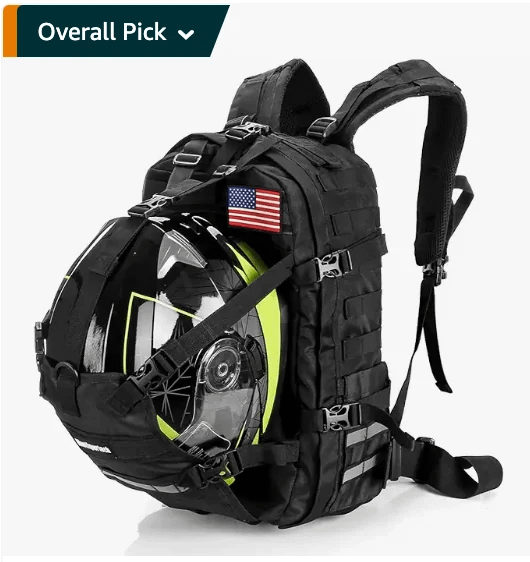
Picture this: you’re gearing up for a thrilling bike ride, the wind in your hair and the road stretching out before you. But what happens when you reach your destination and need to hop off the bike?
You can’t just leave your helmet hanging. That’s where knowing how to secure your bike helmet to your backpack becomes essential. We all know the frustration of an awkwardly swinging helmet or the worry of it falling off. Imagine a simple, stress-free way to carry your helmet that lets you focus on the ride and your adventure ahead.
In this guide, we’ll show you exactly how to keep your helmet snug and secure, without the hassle. So, are you ready to discover the tips and tricks that will make your biking experience smoother and more enjoyable? Let’s dive in and ensure your ride is as carefree as it should be!

Credit: www.amazon.com
Choosing The Right Helmet
A helmet must fit snugly on your head. It should not wobble or slide. Choose a helmet that matches your head shape. Some helmets are round, others are oval. The right fit is crucial for safety. A helmet with a visor can shield from sun and rain. Air vents keep your head cool. Bright colors can make you visible on roads. Choose a design you like but ensure it’s safe.
Helmets have adjustable straps for a secure fit. Straps should form a “V” under your ears. Tighten the straps but not too much. You should be able to open your mouth comfortably. Helmets often have a rear dial for adjustments. Turn the dial for a snug fit. Straps should be locked, not dangling. Always check your helmet before riding.
Backpack Selection
Choose a backpack made from strong, long-lasting materials. The fabric should be water-resistant to protect your helmet. Heavy-duty zippers and reinforced stitching add extra durability. A well-built backpack keeps your helmet safe and secure. Avoid backpacks that wear out quickly.
Look for backpacks with adjustable straps. These help to fit the backpack comfortably on your back. Padded straps make carrying more comfortable. Check for extra pockets to store other items. Mesh pockets are great for ventilation. Secure straps ensure your helmet stays put. Ensure pockets are easy to access. This makes packing and unpacking quick.
Attachment Methods
Strap the bike helmet using backpack loops or straps. Secure the helmet tightly to prevent movement. Clip the helmet to the side or top of the backpack for balance.
Using Helmet Clips
Helmet clips are handy and easy to use. They attach the helmet to your backpack. Look for clips with strong grips. This keeps the helmet secure and safe. Fasten the clip to your bag’s strap or loop. Make sure it holds the helmet tightly. Check the grip before walking or biking. Adjust the clip if the helmet feels loose. This method is quick and reliable for short trips.
Utilizing Bungee Cords
Bungee cords are stretchy and flexible. They hold helmets firmly. Wrap the cord around your helmet. Attach it to your backpack securely. Use strong knots to keep it tight. Double-check the tension before moving. Bungee cords are great for long rides. They keep your helmet steady and secure. Always ensure the cord is not too loose. Adjust it for a snug fit.
Diy Solutions
Secure your bike helmet on your backpack using adjustable straps or bungee cords. Loop the straps through the helmet vents, ensuring a snug fit. This keeps your hands free and your helmet safe during travel.
Custom Strap Systems
Creating a secure strap system can help. Use strong, adjustable straps. Attach them to the backpack’s loops or handles. Make sure the straps are tight. This prevents the helmet from moving around. You can buy straps or make them at home. Use materials like velcro or durable fabric. This keeps the helmet safe and sound.
Creating Secure Loops
Use backpack loops to secure the helmet. Look for loops on the sides or front. Thread a strong string or rope through these loops. Tie the helmet tightly. Make sure the rope or string is strong. This stops the helmet from falling. Adjust the loops to fit the helmet snugly. Always check the loops before you go.
Safety Considerations
Securing your bike helmet to your backpack ensures safety and convenience. Use adjustable straps to fasten the helmet tightly. Check that the helmet doesn’t swing or dangle to avoid distractions.
Avoiding Damage To Helmet
Always place the helmet in a secure spot on the backpack. Use a soft cloth to wrap the helmet. This helps to prevent scratches. Make sure it doesn’t bump into hard objects. Check the straps for tightness to hold the helmet well. Keep it away from sharp items in the backpack. A damaged helmet can be unsafe.
Ensuring Backpack Stability
Balance the helmet evenly on the backpack. This helps avoid tipping. Use adjustable straps to keep it snug. Check for loose items inside the backpack. Loose things can shift and cause imbalance. Choose a backpack with a sturdy frame. It helps in holding weight properly. A stable backpack is easier to carry.

Credit: www.amazon.com
Travel Convenience
Secure your bike helmet with quick release straps. They make attaching and detaching easy. Buckles help in fastening the helmet tightly. Use clips for extra grip. Ensure the helmet doesn’t swing or dangle. Check for adjustable straps for a snug fit. Always double-check the straps before moving.
Pack your helmet inside the backpack for safety. Use soft padding around it to avoid scratches. A mesh pocket can keep the helmet secure outside. Make sure the helmet is firmly attached. Roll your clothes to save space. Keep the helmet at the top for easy access.
Maintenance And Care
Keeping a helmet clean ensures safety and comfort. Use mild soap and warm water to wash the outer shell. Avoid strong chemicals as they can harm the helmet. Rinse thoroughly to remove all soap. Pat dry with a soft cloth. Ensure no water enters ventilation holes. Wipe the inner padding gently. Never soak padding in water. Let the helmet air dry completely before storing.
Check all straps and buckles regularly. Look for frayed or torn straps. Replace if needed to keep the helmet secure. Ensure buckles snap tightly. Loose buckles can cause accidents. Adjust straps to fit snugly around your head. Avoid overly tight straps. They should be comfortable but firm.

Credit: www.ubuy.fr
Frequently Asked Questions
How To Strap A Helm On A Backpack?
Use adjustable straps to secure the helmet to your backpack. Attach the straps through helmet vents. Tighten to ensure a snug fit, preventing any movement during travel. Adjust the backpack’s positioning for balance and comfort.
How To Fix A Helmet On A Backpack?
Use helmet clips or straps to attach it securely to your backpack. Fasten through the backpack loops or D-rings. Ensure the helmet is stable and doesn’t swing. Adjust straps for a snug fit. Check regularly to prevent slipping during travel.
Keep it accessible for easy removal.
What Is The 2 2 2 Rule When Fitting A Helmet On Your Head?
The 2-2-2 rule ensures a proper helmet fit: two fingers above eyebrows, two straps forming a “V” under ears, and two fingers between chin and strap. Follow this rule for safety and comfort. Always check the fit before riding to prevent injury and maximize protection.
How To Carry A Bicycle Helmet?
Carry a bicycle helmet by securing it to your bag or backpack using straps. Attach it to your bike with a helmet holder or clip. Hold it by the straps when walking to keep your hands free. Make sure it’s fastened securely to prevent damage or loss.
Conclusion
Securing your bike helmet on your backpack is simple and safe. It keeps your hands free and your helmet secure. Use straps, clips, or nets to hold it in place. Ensure it’s tight to avoid any movement. Check your setup before you start your journey.
Practice makes it easier over time. This way, you can enjoy your ride without worries. Remember, a secure helmet means a safer trip. Happy biking, and always prioritize safety first!



