
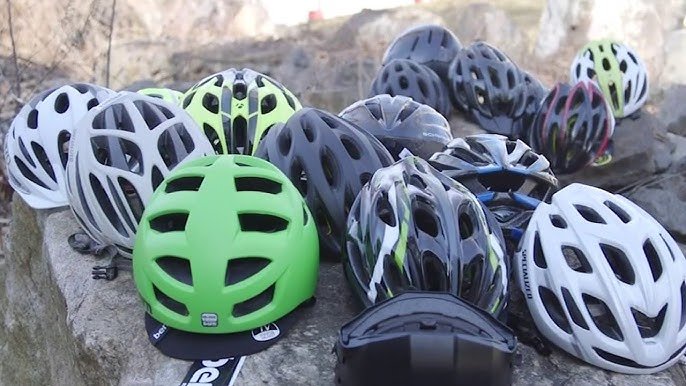
Imagine cruising down a scenic path on your bike, feeling the wind rush past you. Now, picture something going wrong and realizing your helmet isn’t as reliable as you thought.
Scary, right? As a cyclist, your safety is paramount, and your helmet plays a crucial role in that. But how can you be sure the helmet you trust is genuine and not counterfeit? You deserve peace of mind every time you ride.
This article is here to help you spot fake bike helmets so that you can protect yourself effectively. By understanding the signs of counterfeit gear, you can ensure your helmet is up to standard, giving you the confidence to enjoy your ride safely. Stick around as we explore the key indicators that will help you make informed decisions about your cycling safety.
Credit: www.nbcchicago.com
Signs Of Counterfeit Helmets
Spot counterfeit helmets by examining the quality of materials and stitching. Check for irregular logos and misspelled certifications. Inspect for poor fitting parts and substandard padding.
Poor Quality Materials
Counterfeit helmets often use cheap materials. The outer shell might feel flimsy. Foam lining could be thin and weak. Genuine helmets are sturdy and well-built. Check for rough edges on the helmet. Real helmets have smooth, even surfaces. A poor fit is another clue. Authentic helmets fit snugly and comfortably. Counterfeit ones may wobble or feel loose.
Inconsistent Branding
Brand logos might be missing or incorrect. Check spelling on logos and labels. Real helmets have accurate brand markings. Look for stickers or labels. Fake helmets may have peeling or crooked stickers. Genuine helmets have neat and clear branding. Inspect the inside labels for mistakes. Counterfeit ones often have errors in text or design.
Credit: www.wral.com
Safety Certifications
Ensure bike helmets have proper safety certifications to avoid counterfeits. Check for clear, official labels and logos. Verify the helmet’s brand and model on trusted websites for authenticity.
Recognizing Authentic Certifications
Real bike helmets have special safety marks. Look for CE, CPSC, or ASTMlabels. These marks show the helmet passed safety tests. It’s important to check these labels carefully. Some fake helmets try to copy them. Always ensure the label is clear and not blurry. A genuine label has no mistakes in spelling. Authentic labels are attached to the helmet securely. If a label peels off easily, it might be fake.
Common Certification Frauds
Fake helmets often use false labels. These labels may look real but are not. Watch for labels with errors. Mistakes in words are a big clue. Fake labels might use strange fonts or colors. Real helmets have neat, clear labels. Some sellers might promise fake certifications. Always buy helmets from trusted stores. This helps avoid fraud and keeps you safe.
Visual Inspection Techniques
Inspect helmet labels for inconsistencies and spelling errors. Check the quality of materials and stitching closely. Fake helmets often lack certification marks or display poor logo prints.
Checking For Structural Integrity
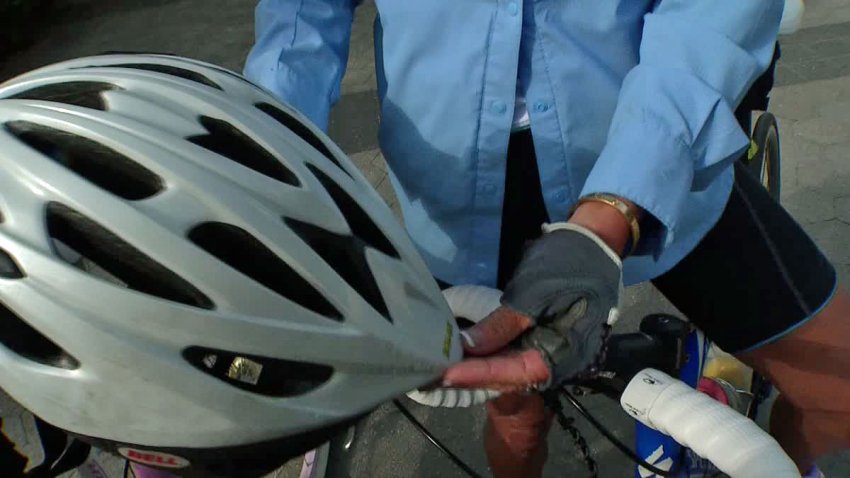
Examine the helmet for any visible cracks or dents. These can weaken the helmet. Press the shell gently to check for flexibility. A genuine helmet should be firm and sturdy. Look at the edges; they should be smooth and even. Uneven edges may indicate poor quality.
Examining The Inner Liner
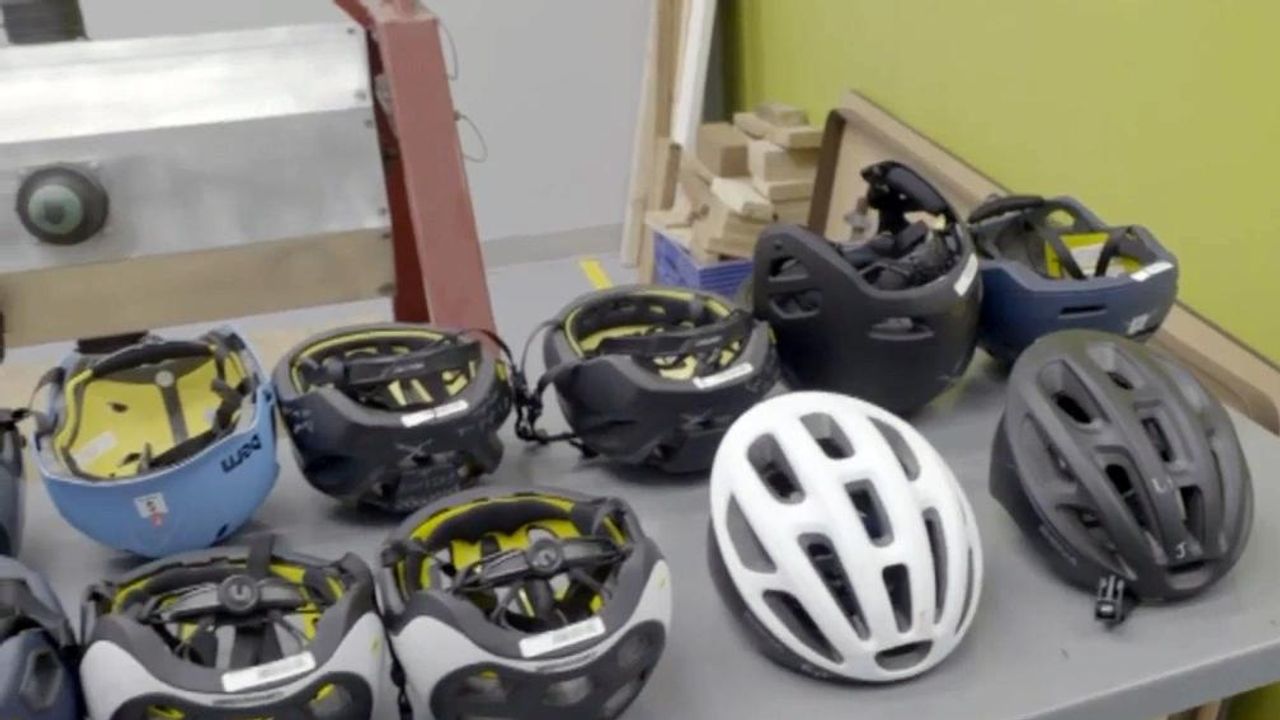
Feel the inner liner. It should be soft and cushiony. Check for any gaps or loose spots. These are signs of poor construction. A genuine helmet has a snug fit with the liner. Observe the foam; it should be thick and consistent. Thin foam could mean a fake helmet.
Price And Retailer Analysis
Price and Retailer Analysis Spot counterfeit bike helmets by comparing prices across different retailers. Genuine products usually have consistent pricing. Be cautious of unusually low prices, often a red flag for fakes.
Spotting Unrealistic Discounts
Very low prices can mean fake helmets. Real helmets cost more. Big discounts are a red flag. Check the usual price online. Compare prices from different shops. A big drop in price can be suspicious.
Trustworthy Retailers
Buy from known stores. Trusted shops sell real helmets. Look for stores with good reviews. Online reviews can help you choose. Find stores that specialize in sports gear. They often sell genuine products.
Technological Tools
Technological tools can help spot counterfeit bike helmets. Use QR code scanning apps for genuine product verification. Check for holograms and serial numbers with authenticity databases online.
Using Qr Codes And Serial Numbers
QR codes and serial numbers help check bike helmets. These codes have important information. Scan the QR code with a smartphone. You will see details about the helmet. Make sure the serial number matches the packaging. If they don’t match, the helmet might be fake. Always check these details before buying.
Mobile Apps For Verification
Some mobile apps help verify helmet authenticity. Download an app from a trusted source. Open the app and scan the QR code. Apps provide instant information on the helmet. They tell if it is real or fake. This makes checking helmets easy and fast.
Expert Advice And Resources
Expert advice and resources provide essential tips for spotting counterfeit bike helmets. Check for certification labels and examine the helmet’s construction and materials. Verify the reputation of the seller to ensure authenticity.
Consulting Industry Professionals
Industry experts know how to spot fake helmets. They can share valuable tips. Always ask for a second opinion. Professionals have years of experience. Many work with top brands and retailers. Their advice helps keep you safe. You can also visit local bike shops. Staff are trained to recognize fakes. They often attend workshops and seminars. Trust their insights and suggestions. It’s important to ask questions. This ensures you’re buying a genuine product.
Educational Resources
Many resources help identify counterfeit helmets. Online guides offer step-by-step instructions. Videos show what to look for. Manuals provide detailed descriptions. Reading materials are easy to find. Libraries have books on helmet safety. Websites offer free articles and guides. Some brands have official websites. They share information on spotting fakes. Always verify the source of information. Genuine resources are accurate and reliable.

Credit: www.youtube.com
Frequently Asked Questions
How To Identify A Fake Helmet?
Check for certification labels like DOT or ECE. Inspect the quality and weight; fake helmets are often lighter. Examine the logo for inconsistencies. Verify seller credibility and read reviews. Ensure it fits snugly without discomfort.
How To Tell If A Helmet Is Authentic?
Check for certification labels like DOT, ECE, or Snell on the helmet. Verify holograms and brand logos. Ensure high-quality materials and proper fit. Examine the packaging for authenticity details. Purchase from reputable sellers to avoid counterfeits.
How To Know If A Bike Helmet Is Certified?
Check for certification labels like CPSC, ASTM, or Snell inside the helmet. These ensure safety standards compliance.
What Is The 2 2 2 Rule When Fitting A Helmet On Your Head?
The 2 2 2 rule for helmet fitting involves two fingers above your eyebrows, two fingers from the strap to your chin, and two fingers from the helmet edge to your eyebrows. Ensure your helmet fits snugly for optimal protection.
Conclusion
Spotting fake bike helmets is vital for your safety. Always check the helmet’s label and packaging. Look for the safety certification sticker. Buy helmets from trusted stores or websites. Compare prices to avoid deals that seem too good. Examine the helmet’s build quality closely.
Counterfeit helmets may have poor materials. Protect yourself with genuine gear. A real helmet can save your life. Be cautious and informed. Safeguard your head every time you ride. Your safety is worth it. Be smart, stay safe.



