
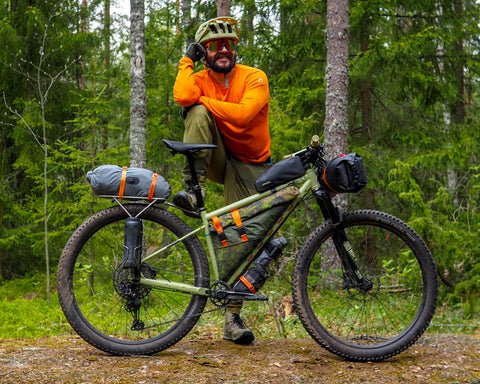
Imagine you’re getting ready for an exciting biking adventure. Your heart races with anticipation as you map out your routes and gear up for the ride of a lifetime.
But there’s one crucial detail that often gets overlooked: how to pack your bike helmet for travel. You know it’s essential to protect your head, but what about your helmet during transit? Improper packing can lead to damage, or worse, render it useless when you need it most.
So, how can you ensure its safety while on the road or in the air? In this guide, we’ll explore simple yet effective tips to pack your bike helmet like a pro. Stick with us, and you’ll discover how to keep your helmet in top condition, ensuring peace of mind on your journey.
Choosing The Right Helmet For Travel
Picking a helmet for travel is important. Safety is the top priority. Make sure your helmet fits snugly. It should not wobble or slide. Look for a helmet that is lightweight. A heavy helmet can be a burden. Choose one with good ventilation. This keeps your head cool. Ensure it meets safety standards. Look for labels inside the helmet.
Consider the type of travel. For biking, get a helmet with a visor. This protects your eyes from the sun. If you travel by plane, find a foldable helmet. It saves space in your luggage. Adjustable straps are helpful. They offer a better fit for different activities. Always check the helmet’s condition. Look for any cracks or damage before using it. A well-chosen helmet makes travel safer and more comfortable.

Credit: www.tiktok.com
Preparing Your Helmet For Packing
Preparing Your Helmet for Packing Ensure your bike helmet is clean and dry before packing. Use a soft cloth to wrap it securely. This helps prevent scratches and maintains its shape during travel.
Cleaning And Maintenance
Make sure your helmet is clean before packing. Use a soft cloth and mild soap to wipe it. Remove any dirt or stains gently. Avoid using strong chemicals that can harm the helmet. Let it dry completely. A damp helmet can get moldy in the bag. Check the straps for dirt too. Clean them carefully. A clean helmet keeps your head safe.
Inspecting For Damage
Look closely at your helmet for any cracks or dents. These can weaken its protection. Feel the foam padding inside. It should be firm and not squished. Check the buckle and straps. Make sure they are not frayed or broken. A damaged helmet is not safe to use. Fix any issues before packing. Safety is very important.
Packing Techniques For Safety
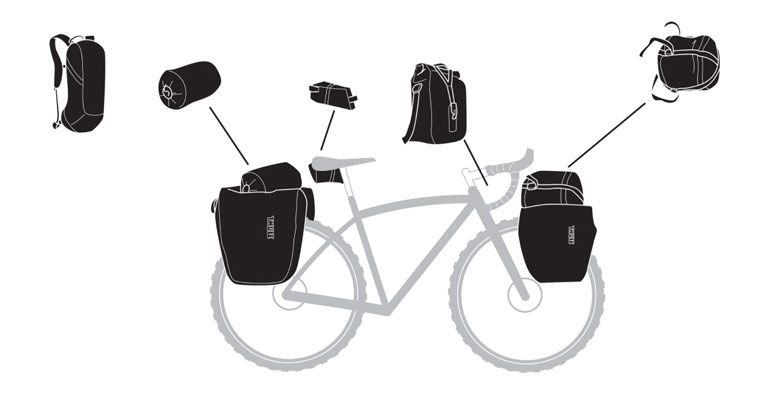
Ensure the helmet is clean and dry before packing. Use bubble wrap or soft cloth to cushion the helmet. Place it in a sturdy box, securing it with packing tape for extra protection during travel.
Credit: www.thule.com
Space-saving Strategies
Packing a bike helmet efficiently can save space during travel. Place smaller items inside the helmet to maximize room. Use soft clothing or towels to cushion and protect it from damage.
Fitting In Luggage
First, place soft clothes inside the helmet. This uses empty space. Next, wrap the helmet with a t-shirt or towel. This protects and cushions it. Then, position the helmet in a corner of your bag. Try to keep it upright. You can place lighter items around it. This helps maintain the shape. Always check the helmet fits snugly. It should not move around too much.
Optimizing Helmet Shape
Avoid pressing down on the helmet. This can change its shape. Use the helmet’s natural curves to your advantage. Roll up socks or gloves and fit them inside. This helps keep its form. Surround the helmet with soft items. This prevents it from getting squished. Always handle the helmet with care. It’s important to keep it safe and ready for use.
Travel Accessories For Helmets
Packing a bike helmet for travel requires careful preparation. Use a sturdy bag with padding to protect it. Place it inside your suitcase surrounded by clothes for extra cushioning.
Helmet Bags And Cases
Helmet bags keep your helmet safe. They protect from scratches and dents. Choose a bag with soft padding inside. Hard cases offer more protection. They are great for long trips. Look for cases with sturdy zippers. Check if the case fits your helmet size. Lightweight bags are easier to carry. Some bags have extra pockets. These pockets can store small items. Make sure the bag has a strong handle.
Straps And Fasteners
Straps hold your helmet securely. They prevent the helmet from moving. Choose adjustable straps for a snug fit. Buckles should be easy to open and close. Velcro fasteners are simple to use. Test the straps before traveling. Make sure they are strong. Loose straps can damage your helmet. Some straps have extra padding. This padding makes carrying more comfortable.
Tips For Air Travel With A Helmet
Placing a bike helmet in a carry-onbag keeps it safe. Checked luggage can result in damage. Helmets are fragile and need protection. In a carry-on, it stays with you. This reduces the risk of losing it. Airports handle checked bags roughly. Helmets are not meant for rough handling. A carry-on is small but can fit a helmet easily. Just pack it snugly.
Airport security may inspect your helmet. Allow extra time for checks. Helmets can look suspicious on X-ray machines. Be ready to show it to officers. Remove any sharp or metal parts. Security might ask questions. Be calm and polite. Explain why you have it. Helmets are common for travelers. It’s normal for officers to check unusual items.
Protecting Your Helmet During Travel
Secure your bike helmet by using a protective case during travel. Cushion it with soft clothing to avoid scratches. Place it in your carry-on bag to ensure safety and easy access.
Avoiding Pressure And Impact
Keep your bike helmet away from heavy items. They can press and damage it. Use a special helmet bag if you have one. It adds extra protection. Place the helmet in a safe spot in your bag. Make sure it’s surrounded by soft clothes. This helps in keeping it safefrom bumps.
Handling With Care
Hold your helmet gently while packing. Avoid tossing it around. Check that straps are not tangled or stuck. A tangled strap can break. Place your helmet on top of other items. This way, it stays secureand is easy to reach. Remember, a well-packed helmet stays in good shape for longer.

Credit: www.grasshopperadventures.com
Frequently Asked Questions
How To Bring A Bike Helmet On A Plane?
Carry your bike helmet in your hand luggage or backpack. Use bubble wrap for extra protection. Confirm with the airline if a helmet counts as a personal item. Ensure it fits securely in the overhead bin or under the seat.
Always check the airline’s baggage guidelines before traveling.
How To Pack A Helmet For A Flight?
Wrap your helmet in bubble wrap for protection. Place it in a sturdy box. Use packing peanuts to fill gaps. Seal the box securely with tape. Label it as fragile.
What Is The 2 2 2 Rule When Fitting A Helmet On Your Head?
The 2 2 2 rule for helmet fitting ensures safety. Keep two fingers above eyebrows, two fingers between strap and chin, and make a V-shape with straps under ears. This rule helps achieve a snug and secure fit. Proper helmet fitting is crucial for effective head protection.
What Is The 5 Year Helmet Rule?
The 5-year helmet rule advises replacing helmets every five years. Over time, materials degrade, reducing safety. Regular replacement ensures optimal protection, aligning with manufacturer recommendations. Always inspect helmets for wear and tear.
Conclusion
Packing a bike helmet for travel is simple with these tips. First, choose a sturdy bag for protection. Next, use padding to prevent damage. Secure the helmet tightly to avoid movement. Keep it separate from heavy items. Remember, checking airline rules can save hassle.
A well-packed helmet ensures safety and convenience. Travel confidently knowing your helmet is secure. Enjoy the ride and explore new places. Safe travels await, and your helmet is ready. Packing well is key to a stress-free journey. Follow these steps for a smooth travel experience with your bike helmet.



