
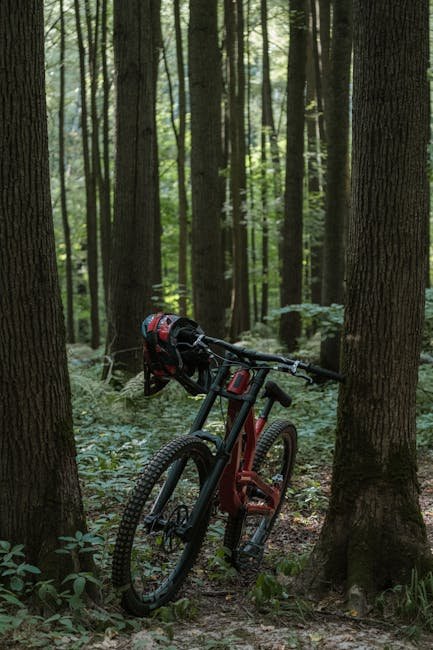
Choosing the right helmet for your cycling adventures can be confusing. Whether you’re hitting the rugged trails on your mountain bike or cruising the pavement on your road bike, the right helmet is crucial for your safety.
But with so many options out there, how do you know which one is best for you? Imagine the thrill of a perfect ride, where you feel both safe and stylish. The helmet you choose can make all the difference, not just in terms of protection but also in your overall cycling experience.
Do you prioritize comfort, or is aerodynamics more your thing? Maybe you’re looking for a helmet that offers superior ventilation or one that fits your personal style. You’ll discover how to choose the perfect helmet that aligns with your biking needs and preferences. You’ll learn about the key differences between MTB and road helmets, and how each caters to specific cycling scenarios. Stick around to make an informed decision that will keep you safe, confident, and ready to conquer any trail or road.
Helmet Types
Choosing a helmet for MTB or road cycling depends on the terrain and speed. MTB helmets provide extra protection for rugged trails, while road helmets focus on aerodynamics and ventilation for smoother rides. Consider your riding style and safety needs for the best fit.
Mountain Biking Helmets
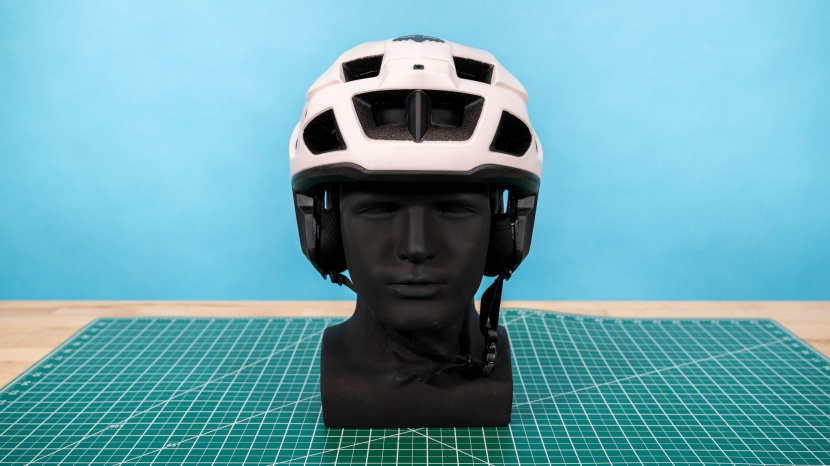
Mountain biking helmets have extra coverage for the back of the head. They often include a visor to block sun and mud. Ventilation is crucial, keeping the rider cool on tough trails. Padding inside offers comfort during bumpy rides. These helmets are designed to handle rough terrain. Straps adjust easily for a secure fit. Many models also feature MIPS technology, which helps protect against rotational impacts.
Road Cycling Helmets
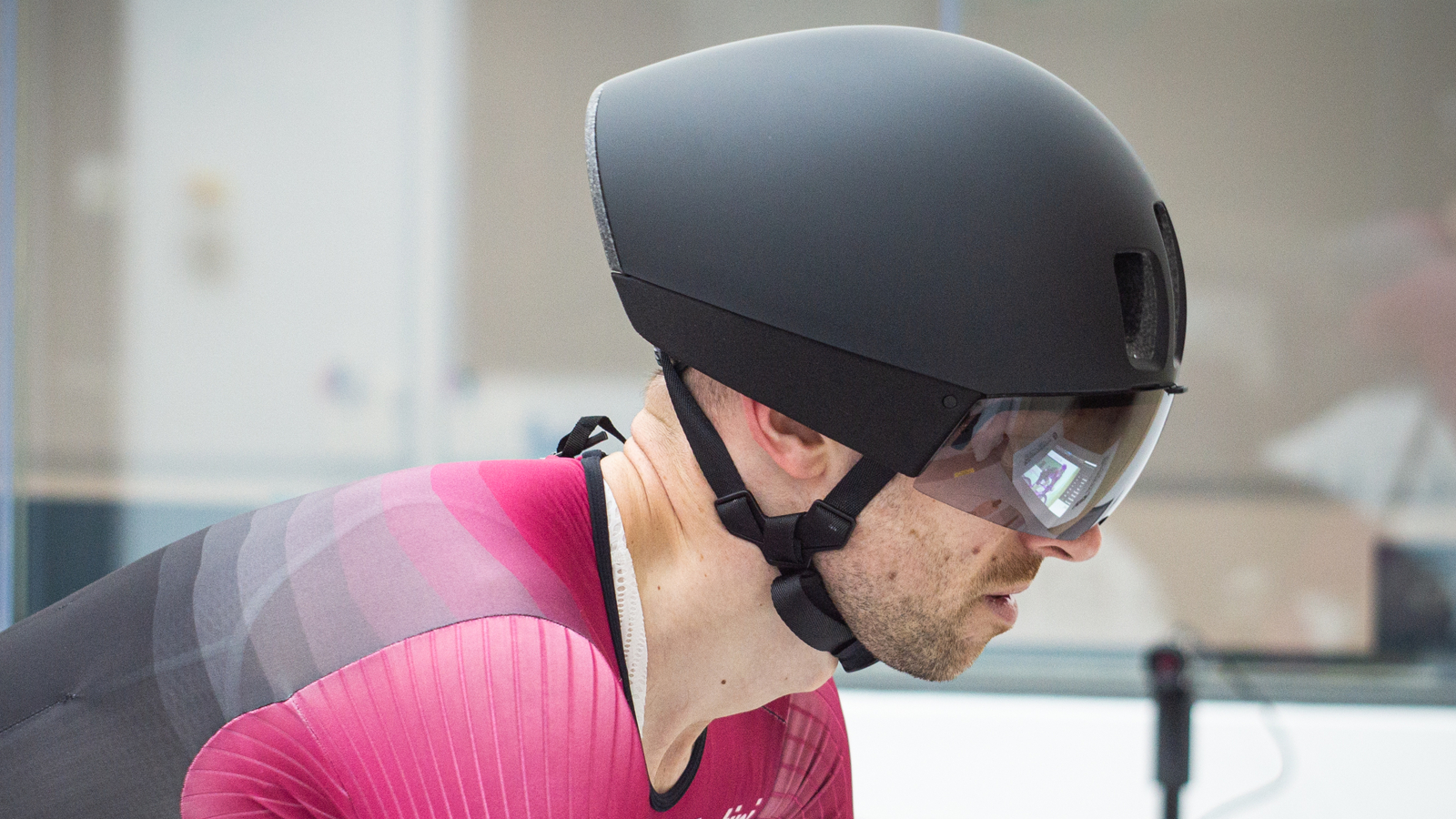
Road cycling helmets are lightweight for long rides. They focus on aerodynamics to help speed. Large vents increase airflow and reduce heat. Smooth designs minimize wind resistance. Safety is key, with advanced materials for protection. Adjustable fit systems ensure comfort for hours. Some helmets include reflective elements for visibility. Sleek designs are popular among road cyclists.
Key Features To Consider
Choosing between MTB and road helmets involves considering key features like weight, ventilation, and fit. MTB helmets offer better coverage and protection, while road helmets focus on aerodynamics and lightweight design. Prioritize safety certifications and comfort to ensure the best choice for your riding style.
Ventilation And Cooling
Choose a helmet with good ventilationfor hot days. Many small vents help air flow. This keeps your head cool. Some helmets have special channels. These channels guide the wind over your head. A cool head is a happy head!
Weight And Comfort
A light helmet is easier to wear. Heavy helmets can cause neck pain. Soft padding inside adds comfort. Adjustable straps help fit the helmet. A good fit is very important for safety.
Safety Standards
Check for safety labels on the helmet. Look for certifications like CPSCor CE. These show the helmet passed tests. Safe helmets protect your head well. Always choose a helmet with a safety mark.
Fit And Sizing
Selecting the right helmet involves considering specific features for mountain biking and road cycling. Mountain bike helmets often have extended coverage and visors for protection on rugged trails. Road helmets focus on aerodynamics and ventilation for speed and comfort.
Proper Fit Techniques
A helmet should sit snug on your head. Measure your head with a tape. The tape should go just above your eyebrows. This helps find the correct size. Try different helmets to check the fit. The helmet should not move when you shake your head. Straps should form a “V” under your ears. This ensures proper fit and safety.
Adjustable Systems
Many helmets have adjustable systems. These help to get a better fit. Look for helmets with a dial at the back. Turn the dial to tighten or loosen the fit. Some helmets have removable pads. Add or remove pads for comfort. A good fit keeps the helmet secure during rides.
Credit: www.cyclingnews.com
Materials And Construction
Selecting the right helmet for mountain biking or road cycling involves understanding the distinct materials and construction. Mountain bike helmets prioritize durability and ventilation, while road helmets focus on aerodynamics and lightweight design. Consider safety standards and comfort for both styles to ensure optimal protection and performance.
Shell Materials
The shell is the helmet’s hard outer layer. It’s usually made of polycarbonateor fiberglass. Polycarbonate is light and less expensive. Fiberglass is tougher and more durable. Both materials are designed to absorb impact. A strong shell protects your head from injury.
Padding And Liners
Inside the helmet, there are pads and liners. Pads are soft and provide comfort. Liners are made of EPS foam. They absorb energy during a crash. The foam compresses to protect your head. Good padding also helps fit the helmet snugly. A snug fit keeps the helmet in place. Always look for removable pads. They are easy to wash and keep clean.
Budget Considerations
Helmetscan be expensive, but safety is crucial. Look for a balance between costand quality. Cheaper helmets may lack important features. Ensure the helmet meets safety standards. Spending a bit more can mean better protection. Check for ventilationand comfort. These features matter on long rides. Always prioritize safety over saving money.
Investing in a good helmet is smart. A durable helmet lasts longer. It protects better over time. Consider how often you ride. Frequent riders need quality helmets. Spending more now saves money later. Think of helmets as gear, not just an accessory. A solid helmet offers peace of mind. Choose wisely for safety and comfort.
Additional Features
Consider helmets with built-in visors for sun protection and airflow channels for cooling. Removable padding enhances comfort and fit.
Aerodynamics
Aerodynamics is important for both mountain biking and road cycling. A helmet should cut through the air smoothly. Less wind resistance means faster speeds. Road helmets often have smooth, rounded shapes. They help with better airflow. MTB helmets might have more vents. These keep the head cool during tough rides. The shape can impact how fast you go. Always choose a helmet that balances airflow and speed.
Integrated Technology
Helmets today come with amazing technology. Some helmets have lights for better visibility. Others have built-in cameras. These record your rides. Some helmets come with communication systems. You can talk to friends while riding. GPS systems are also popular. They help you find your way easily. Choose a helmet with features you will use often. Technology can make your rides safer and more fun.
Maintenance And Care
Finding the right helmet involves considering terrain differences. Mountain biking helmets offer more coverage and durability for rugged trails. Road helmets prioritize ventilation and lightweight design for speed and comfort.
Cleaning Tips
Helmets can get dirty after rides. Use a soft cloth for cleaning. Warm water works best. Add mild soap for stubborn dirt. Avoid harsh chemicals. They damage the helmet’s surface. Rinse thoroughly to remove soap residue. Air dry in a shaded area. Direct sunlight can harm the helmet.
Storage Recommendations
Store helmets in a cool, dry place. Avoid high temperatures. Keep away from direct sunlight. Use a helmet bag for protection. Hang helmets on hooks if possible. Avoid stacking heavy items on helmets. This can change their shape. Inspect helmets regularly for damage. Replace if any cracks are found.

Credit: road.cc
Credit: www.outdoorgearlab.com
Frequently Asked Questions
Can I Use A Mtb Helmet For Road Biking?
Yes, you can use an MTB helmet for road biking. It offers protection but may be heavier. MTB helmets often have visors and more ventilation. Choose based on personal comfort and safety preferences. Always ensure it fits well and meets safety standards.
What Is The 2 2 2 Rule When Fitting A Helmet On Your Head?
The 2 2 2 rule ensures a proper helmet fit. Leave two fingers’ width above the eyebrows. Ensure straps form a V under each ear. Allow two fingers between the chin and strap. This rule provides safety and comfort, essential for effective helmet protection.
Is There A Difference Between A Road Bike Helmet And A Mountain Bike Helmet?
Yes, there is a difference. Road bike helmets are lighter and more aerodynamic. Mountain bike helmets offer more coverage and often include visors for sun protection. They are designed to handle impacts from various angles. Choose based on your cycling needs and environment.
What Is The 5 Year Helmet Rule?
The 5-year helmet rule suggests replacing helmets every five years. Wear and tear, UV exposure, and sweat can degrade materials, reducing protection. Regular replacement ensures optimal safety during use. Always check manufacturer guidelines for specific recommendations.
Conclusion
Choosing the right helmet is crucial for safety. MTB helmets offer extra protection for rough trails. Road helmets focus on aerodynamics and ventilation. Always consider your riding style and environment. Check for certifications to ensure safety standards. Comfort matters, so try before buying.
Proper fit prevents accidents and enhances performance. Reflect on your priorities. Style, weight, and ventilation should align with your needs. Budget wisely. A good helmet is a sound investment. Safety first, always. Make an informed choice and enjoy your ride confidently.
Your journey deserves the best protection.



