
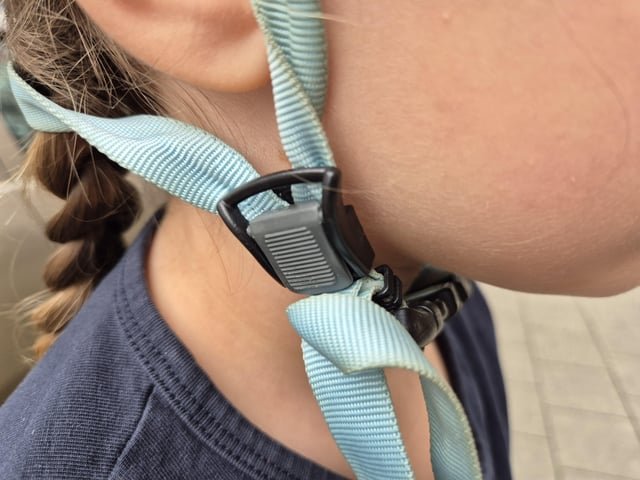
You’ve probably experienced the frustration of dealing with twisted bike helmet straps. It’s a common annoyance that can make your ride less comfortable and even compromise your safety.
Imagine cruising down the road with the wind in your hair, feeling free and secure, but instead, you’re constantly adjusting your helmet because the straps won’t sit right. Does this sound familiar? You’re not alone, and there’s good news: fixing this problem is easier than you might think.
You’ll discover simple and effective tips to keep your bike helmet straps perfectly aligned, ensuring a snug and secure fit every time you ride. No more fussing with tangled straps or uncomfortable pressure points. Get ready to learn how to eliminate this pesky problem once and for all, so you can focus on what really matters—enjoying your ride safely and comfortably. Are you ready to transform your biking experience? Let’s dive into the solutions.
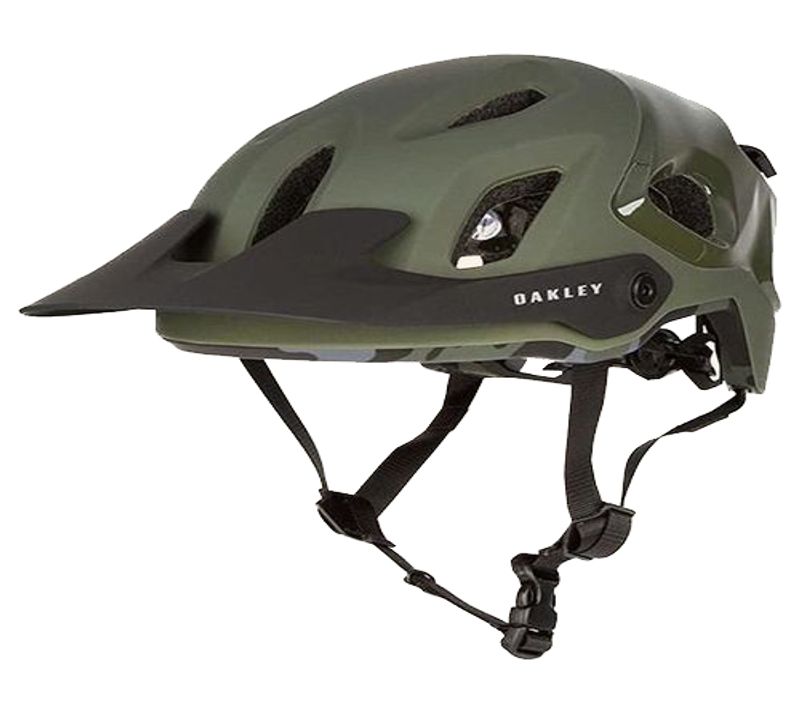
Credit: www.calltoadventure.uk
Common Causes Of Twisted Straps
Straps twist due to poor adjustment or storage. Loose straps often get tangled. Incorrect fitting can also cause twisting. Always adjust them snugly to your chin. Storage plays a big role too. Tossed helmets lead to tangled straps. Hang them properly to avoid this. Friction with clothes or bags may twist them. Ensure your helmet is the last item you wear. Frequent use can lead to wear and tear. This makes straps more prone to twisting. Check them regularly for any damage. Washing your helmet improperly can cause strap issues. Use gentle methods to clean it. Maintaining straps helps avoid these problems.
Choosing The Right Helmet
A helmet must fit well to keep straps from twisting. Make sure the helmet sits level on your head. It should cover the top of your forehead. The side straps should form a “V” shape under each ear. Adjust the chin strap snugly. You should be able to fit two fingers between the strap and your chin. This helps keep the helmet stable and comfortable.
Pick a helmet made from strong and durable materials. Look for helmets with adjustable straps. High-quality straps are less likely to twist. They stay flat and smooth. Check for padded straps as they can add comfort. Durable materials ensure long-lasting use. This way, the helmet remains reliable for every ride.
Adjusting Helmet Straps
Keep bike helmet straps from twisting by ensuring a snug fit. Regularly adjust and straighten them to prevent tangles.
Initial Setup
Begin by ensuring the helmet fits snugly on your head. Adjust the helmet so it sits level and covers your forehead. Make sure the straps form a “V” shape under your ears. This helps keep them in place. Pull the straps through the buckle to tighten them. Fasten the buckle securely. The helmet should not wobble when you move your head. Finally, check if you can fit two fingers between the strap and your chin. This ensures comfort and safety.
Regular Checks
Regularly check your helmet straps for twists. Twisted straps can be uncomfortable. They can also reduce safety. Before each ride, run your fingers along the straps. Untwist them if needed. Ensure the buckle is always fastened properly. Straps should lay flat against your skin. Over time, straps might loosen. Adjust them to maintain a snug fit. A well-adjusted helmet keeps you safe while riding.

Credit: www.amazon.com
Techniques To Prevent Twisting
Adjust helmet straps regularly to ensure they stay flat. Keep them clean and dry to prevent twisting. Secure loose ends using strap clips or tape for added stability.
Proper Storage
Hang your helmet on a hook. This keeps straps straight. Avoid tossing helmets in bags. Straps tangle easily. Keep helmets on flat surfaces. Straps stay smooth. Store helmets away from heavy items. Straps won’t get crushed.
Using Strap Clips
Use strap clips for extra control. Clips hold straps together. They prevent twisting. Attach clips near strap ends. This keeps them aligned. Clips are easy to find. Many stores sell them. Strap clips are inexpensive. They last a long time.
Diy Fixes For Twisted Straps
Straighten out bike helmet straps by threading them properly through the buckle. Keep them flat and untangled. Regularly adjust and check the straps for any twists before each ride.
Heat Method
Place the straps under a warm iron. Make sure the iron is not too hot. This helps straighten the straps. Move the iron gently over the straps. Keep doing this for a few minutes. The warmth makes the straps relax. Check the straps often. Make sure they don’t get too hot.Elastic Band Trick
Use an elastic band to keep straps neat. Take an elastic band and loop it around the straps. Make sure it is tight but not too tight. This keeps the straps together and stops them from twisting. You can use more than one band if needed. It’s an easy way to have neat straps. Try it today and see the difference. `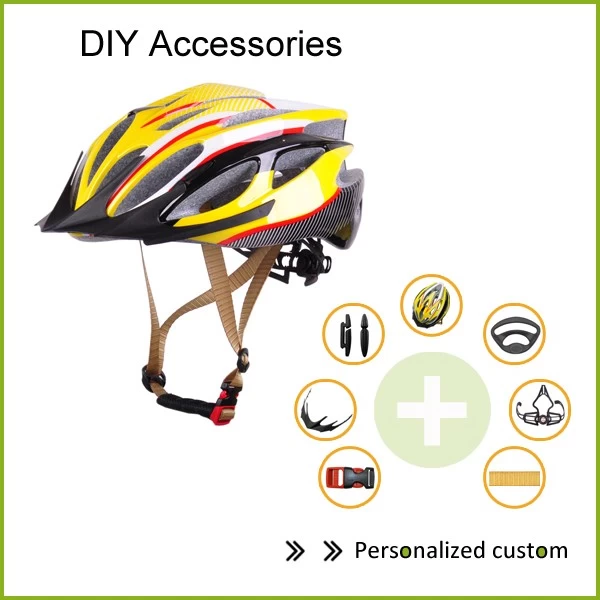
Credit: www.helmetsupplier.com
Maintaining Strap Condition
Securing helmet straps properly can prevent twisting. Regularly check and adjust them to ensure a snug fit. Gently untangle and smooth out any kinks for comfort and safety.
Cleaning Tips
Use a soft cloth to clean helmet straps. Warm soapy water works best. Rinse straps thoroughly. Dry straps in a cool place. Avoid direct sunlight. Sunlight can weaken materials. Keep straps flat while drying. This prevents twisting. Check straps for dirt regularly. Clean when they look dirty.
Periodic Replacement
Replace helmet straps every few years. Old straps can become weak. Twisting happens more in worn straps. New straps fit better. Check for frays or tears. If straps look damaged, replace them. Good condition straps keep you safe. Always use strong, untwisted straps.
Benefits Of Well-maintained Straps
Well-maintained bike helmet straps ensure comfort and safety. They prevent twisting, which allows for a snug fit and secure protection. Proper care extends the life of the straps, providing consistent performance.
Enhanced Safety
Well-maintained strapskeep your helmet secure. A secure helmet protects your head better. Twisted straps can loosen and cause dangers. Tight straps stay in place during rides. This ensures your helmet does its job. Twisted straps can be risky. They might not hold the helmet well. Flat straps are safer. They are easy to adjust and fit properly.
Improved Comfort
Flat straps feel better on your skin. They don’t rub or cause pain. Twisting can make the helmet feel tight. This can hurt your chin or neck. Properly adjusted strapsgive a snug fit. It feels nice and steady. You can enjoy your ride without distractions. Comfortable straps let you focus on the road. They help you ride longer and enjoy more.
Frequently Asked Questions
What Is The 2 2 2 Rule When Fitting A Helmet On Your Head?
The 2 2 2 rule ensures proper helmet fit. Two fingers above eyebrows, two fingers between chin and strap, and two fingers over the ear. This ensures the helmet is snug, secure, and comfortable for safety. Proper helmet fitting reduces injury risk during impacts.
How To Make Helmet Straps Comfortable?
Adjust helmet straps for a snug fit, ensuring comfort. Use padding or covers for extra cushioning. Check for pressure points and avoid overtightening. Regularly clean straps to prevent irritation. Select helmets with adjustable straps for personalized comfort.
How To Fix Cycle Helmet Straps?
Adjust helmet straps by loosening or tightening them for a snug fit. Ensure straps form a V-shape under ears. Secure buckle tightly under chin. Regularly check strap integrity for safety. Replace damaged straps promptly to maintain protection. Properly aligned straps enhance comfort and safety during cycling.
How To Secure A Helmet Strap?
To secure a helmet strap, position it under your chin. Adjust the strap for a snug fit. Fasten the buckle securely, ensuring it clicks into place. Check that the helmet is stable and doesn’t shift. Re-tighten if necessary to ensure safety and comfort.
Conclusion
Keeping bike helmet straps from twisting can be easy. Start with proper adjustments. Ensure the straps sit flat against your skin. Regular checks help maintain alignment. A clean helmet prevents debris buildup. Store your helmet correctly. Avoid throwing it in bags carelessly.
Practice these tips regularly. They ensure safety and comfort. Your rides will be more enjoyable. A well-fitted helmet boosts confidence. Happy cycling and stay safe. Remember, small steps lead to big safety.



