
Your safety matters. When you’re out riding your bike, your helmet is your best friend.
It protects you from injuries and gives you peace of mind. But, have you ever wondered if your helmet is really safe? How do you know if it meets the necessary standards? Checking the safety certification of your bike helmet is crucial.
It ensures you’re getting the protection you need. By understanding how to check these certifications, you can ride with confidence, knowing you’ve made a smart choice. Dive into this guide to discover how you can verify the safety of your helmet. Your well-being is worth the effort. Stay informed, stay safe. Let’s make sure your helmet is up to the task.
Importance Of Helmet Safety Certification
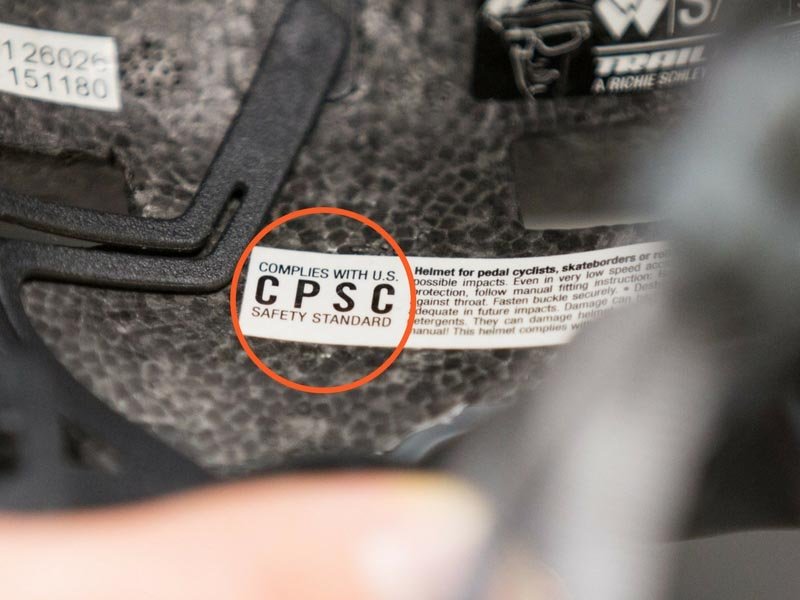
Wearing a helmet can save your life. It’s important to check for safety certifications. These certifications ensure helmets meet safety standards. Look for labels inside the helmet. They show if it’s certified. Common certifications include CPSC, Snell, and ASTM. These labels mean the helmet is tested. It can protect your head during an accident.
Always choose a helmet with a valid certification. Certified helmets are designed to absorb impact. They can help prevent serious injuries. Unsafe helmets might look the same but lack this protection. Safety should always be a priority. Never compromise on helmet quality. Ensure your helmet is certified and safe.
Identifying Certification Labels
Bike helmets need to meet safety standards. These standards have labels. Look for labels like CPSC, Snell, and ASTM. CPSC is common in the U.S. Snell is known for tough tests. ASTM is another reliable standard. These labels prove helmets are safe. Always check for these labels before buying. A helmet without a label might not be safe.
Labels can be inside or outside the helmet. Often, they are found inside. Check the padding area for labels. Sometimes, labels are on the helmet’s shell. Look carefully to find them. Make sure labels are clear and readable. If labels are missing, the helmet might not be safe. Always ensure you can find and read the label.
Testing Methods For Helmet Safety
Impact tests check how strong a helmet is. Helmets get hit with hard objects. This shows how much force they can take. A safe helmet absorbs impact well. It keeps your head safe from injuries. Testing checks different parts of the helmet. This ensures complete protection during a fall.
The retention system keeps the helmet on your head. Tests ensure the straps hold tight. Helmets are pulled to check strap strength. This prevents the helmet from flying off. A good helmet stays secure even under pressure. It should not slip or move easily. This keeps you safe during accidents.
Helmets face many weather conditions. Tests simulate rain, sun, and cold. This checks how helmets react to different environments. Helmets should not crack in the sun. They should stay strong in rain and cold. A safe helmet works well in all weather. It protects you in every situation.
Credit: www.generalicentralinsurance.com
Regulatory Bodies And Their Roles
Regulatory bodies like CPSC, Snell, and ASTM ensure bike helmet safety through rigorous testing and standards. Check for certification labels inside the helmet. These labels confirm that the helmet meets the required safety standards, providing peace of mind during your rides.
International Safety Standards
Different countries follow unique safety standards for bike helmets. International safety standards ensure helmets are safe worldwide. The most known standard is the CPSC in the USA. In Europe, the EN 1078 is widely used. These standards check how helmets perform in crashes. Helmets must pass these tests to be sold. Always look for these standards when buying a helmet. It ensures your helmet is safe and reliable.National Certification Authorities
Each country has its own certification authority. In the USA, the CPSC oversees helmet safety. In Australia, the AS/NZS 2063 is the main standard. Japan uses the SG mark for safety. These authorities test helmets in labs. They ensure helmets can protect your head. Check for these marks on helmets. It shows they are tested and safe. Always choose helmets with these certifications. `Steps To Verify Helmet Certification
Always look for certification labelson the helmet. These labels show safety standards. Popular ones include CPSCand DOT. They are usually inside the helmet. Sometimes they are on the packaging. Labels must be clear and easy to read.
Check the manufacturer’s website for helmet details. Many brands list their certificationsonline. They may have a dedicated page for safety standards. You can also contact their customer service. They can confirm if the helmet is certified. Always trust reliable sources.
Research if any third-party organizationshave tested the helmet. Groups like Consumer Reportsoften test helmet safety. Look for independent reviews and tests online. This can give you extra assurance. Make sure the sources are trustworthy.
Common Myths About Helmet Safety
Ensuring helmet safety involves checking for certification labels like DOT or ECE standards. Look inside the helmet for these marks. Certification guarantees it meets safety requirements.
Misconceptions About Certification Labels
Some people think any sticker means a helmet is safe. This is not true. Only specific labels show real safety checks. Certification labels like DOT or Snell are important. Fake labels can be tricky. Look for official stamps and details on the label. Check the label’s place. It’s usually inside the helmet.
False Beliefs About Helmet Durability
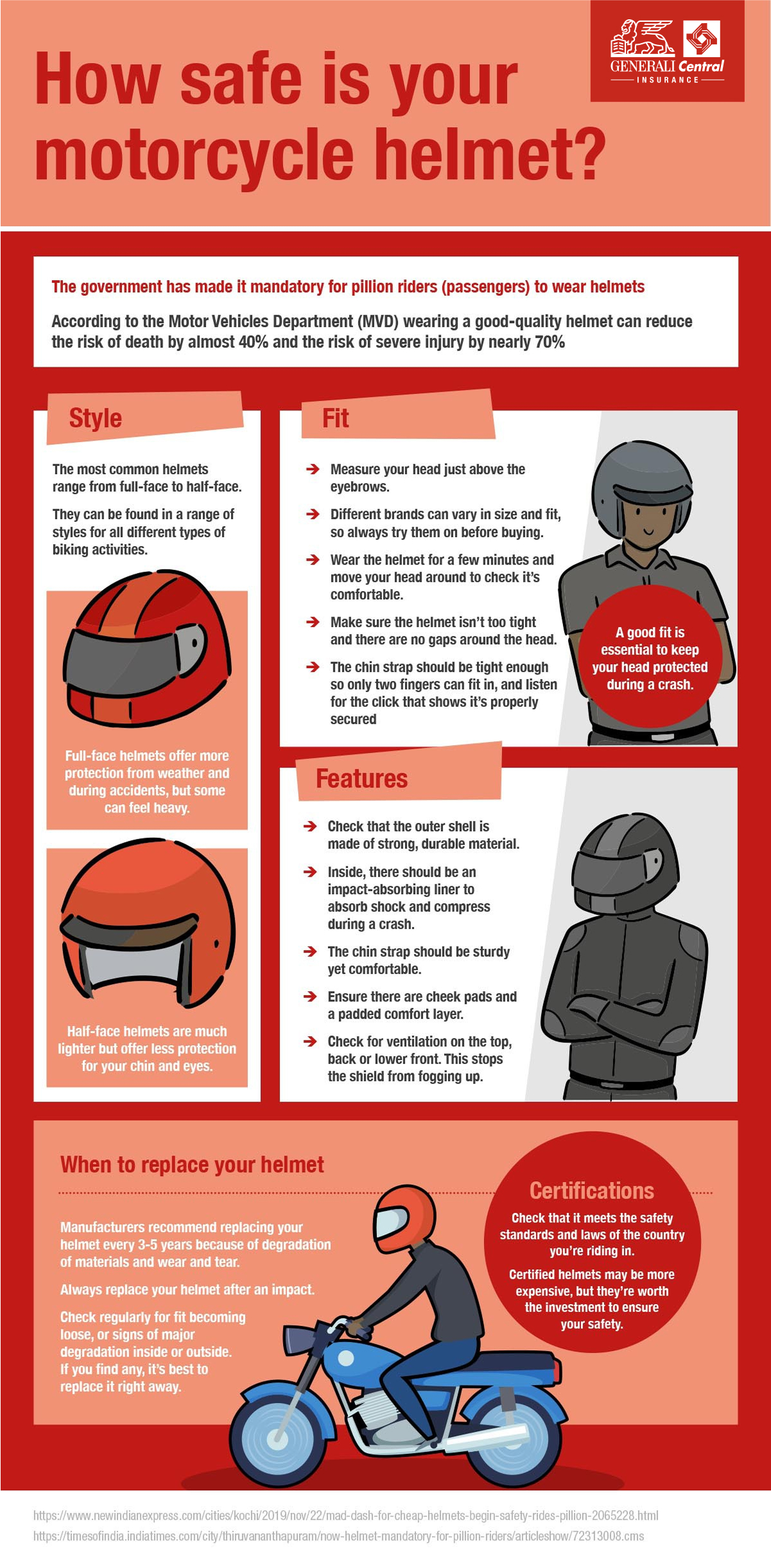
Many believe helmets last forever. Helmets have a lifespan. After a crash, they need replacing. Even if they look good, they might not be safe. Materials inside can wear out. Experts say replace helmets every five years. UV rays can harm the shell. Keep them away from sunlight. This ensures better protection.
Tips For Choosing A Certified Helmet
Check for safety certifications like DOT, Snell, or ECE on the helmet label. Inspect the inner padding and shell for durability. Ensure a snug fit and comfortable wear for optimal protection.
Prioritizing Safety Over Style
Choose a helmet with a clear safety label. Check for certification stamps like DOTor Snell. These stamps show it’s tested for safety. A stylish helmet is nice, but safety is more important. Safety keeps your head safe in accidents. Look for helmets with strong materials. Strong materials protect better in crashes.
Considering Fit And Comfort
The helmet should fit snugly on your head. It should not move when you shake your head. Check if the helmet is comfortable for long rides. Padding inside should feel soft, not hard. Try different sizes to find the best fit. A well-fitting helmet helps in safety and comfort.
Evaluating Brand Reputation
Choose helmets from brands with a good reputation. Read reviews from other riders online. A reliable brand makes quality helmets. Trustworthy brands follow safety rules strictly. They prioritize safety over shortcuts. A brand known for its safety standards is a smart choice.

Credit: bernhelmets.com
Credit: www.consumerreports.org
Frequently Asked Questions
How Do I Know If My Bike Helmet Is Certified?
Check for a certification sticker inside the helmet, such as CPSC, ASTM, or Snell. Verify with the manufacturer’s website for additional details. Ensure the helmet meets local safety standards.
How To Check Helmet Safety Rating?
Check the helmet safety rating by looking for certifications like DOT, ECE, or Snell. Ensure labels are authentic and verify on official websites. Inspect the helmet for a certification sticker inside or on the back. Always prioritize certified helmets for optimal safety.
How Do I Know If My Bike Helmet Is Csa Approved?
Check for a CSA sticker or label inside the helmet. CSA-approved helmets meet Canadian safety standards. Look for certification details on the packaging or manufacturer’s website. Ensure it fits well and has no damage for optimal protection. Regularly inspect your helmet for any signs of wear.
How To Tell If A Helmet Is Actually Dot-approved?
Check for a DOT sticker on the back of the helmet. Verify the manufacturer’s label inside for compliance with DOT standards. Look for a thick inner liner and sturdy chin strap. Inspect for a DOT certification mark on packaging or accompanying documentation to ensure genuine DOT approval.
Conclusion
Ensuring your bike helmet is safe is crucial. Check for proper certifications like CPSC or EN1078. These labels show the helmet meets safety standards. Examine the fit. A snug helmet provides better protection. Keep an eye out for damage. Cracks or dents mean it’s time for a replacement.
Verify manufacturer details. Reputable brands ensure quality. Remember, a safe helmet can save lives. Always prioritize safety over style. Investing time in checking these details can make a big difference. Stay informed, stay safe, and enjoy your ride with peace of mind.



