
Are you ready to hit the road on your bike, feeling the wind on your face and the thrill of the ride? Before you do, there’s one crucial step you mustn’t overlook—choosing the right helmet.
But how do you ensure it fits just right? That’s where measuring your head for a bike helmet comes in. Getting the perfect fit isn’t just about comfort; it’s about safety, and your safety is priceless. Imagine cruising down a scenic path, confident in the knowledge that your helmet will protect you if the unexpected happens.
You’re about to discover how simple it is to measure your head accurately, ensuring your helmet offers optimal protection and enhances your riding experience. Stick with us, and you’ll learn a straightforward method to measure your head, avoiding common pitfalls that could compromise your safety. Whether you’re a seasoned cyclist or just starting, this guide will equip you with the knowledge to make a smart choice, giving you peace of mind every time you ride. Let’s make sure you’re ready to ride safely and in style!

Credit: www.btosports.com
Why Accurate Head Measurement Matters
Wearing the right bike helmet keeps you safe. A helmet must fit well to work best. If it’s too loose, it might slip off. Too tight, and it can hurt your head.
Accurate measurement helps you pick the right size. This size keeps the helmet snug but comfy. Measure your head every time you buy a new helmet. Heads grow, and sizes change.
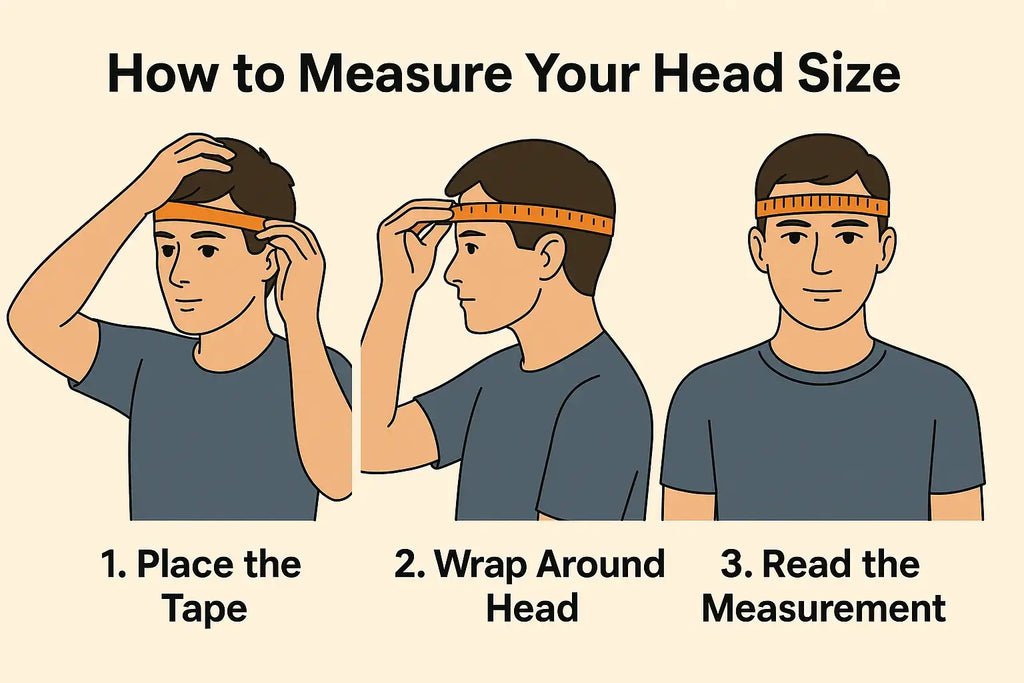
Use a soft tape measure for best results. Wrap it around your forehead above your eyebrows. Read the number carefully. This number is your head size.
Choose a helmet size matching your measurement. Check the helmet’s size chart. Different brands may have different sizes. Try it on before buying. Shake your head to test the fit. A good fit means better protection.
Tools Needed For Measurement
To measure your head, gather a few simple tools. You will need a soft measuring tape. A mirror can help you see the tape’s position. Have a pen and paper ready to note the measurement. If a soft tape is unavailable, use a stringinstead. Then measure the string with a ruler. Ensure that the tape or string is not twisted.
When you measure, the tape should sit above your eyebrows. Ensure it’s also above your ears. Wrap it around the widest part of your head. Keep the tape snug but not too tight. Write down the number you get. This number is your head size for the helmet. Use it to find the right helmet size for safety.
Step-by-step Measurement Process
Wrap the tape measure around your head. Keep it level above your eyebrows. It should sit just above your ears. Make sure it’s not tilted. Use a soft tape measure for comfort.
Record the measurement in centimeters or inches. Check the number where the tape meets. This is your head’s circumference. Write it down for later. Double-check if needed.
Measure three times for accuracy. Keep the tape snug but not tight. Ensure it stays level each time. Compare all three measurements. They should be close to each other. Use the average for best fit.

Credit: www.amazon.com
Determining Helmet Size
Get a soft measuring tape. Wrap it around your head. Measure just above your eyebrows. Keep the tape snug but not tight. Write down the measurement. This number helps find your helmet size.
Check the helmet brand’s size chart. Match your measurement to the chart. Charts show sizes like small, medium, or large. Pick the size closest to your measurement. This makes sure the helmet fits well. Every brand has different sizes.
- Round fit:Good for round heads.
- Oval fit:Fits long heads better.
- Universal fit:Designed to fit most head shapes.
Choose the right fit type. It ensures comfort and safety. Try on different helmets to find the best one.
Common Mistakes To Avoid
Choosing the right bike helmet size can be tricky. Many people measure their head incorrectly, leading to a poor fit. Avoid using a cloth tape measure too tightly or guessing your size without accurate measurements.
Incorrect Tape Positioning
Many people place the tape too high on their heads. This leads to inaccurate measurements. It is essential to position the tape properly. The tape should be above your eyebrows. It must sit level around the head. This ensures a snug fit for the helmet. A loose tape gives a false reading. Always double-check the tape’s position.
Ignoring Manufacturer Guidelines
Every helmet brand has unique sizing rules. It is important to read the guidelines carefully. Different brands may have different size charts. Always refer to the specific chart for the brand. Using a general chart can lead to errors. The right size ensures safety and comfort. Pay attention to the manufacturer’s instructions for the best fit.
Tips For Ensuring A Perfect Fit
Ensure a perfect helmet fit by measuring your head accurately. Use a soft tape measure above your eyebrows and ears. Compare the measurement to helmet size charts for the best fit.
Adjusting Helmet Straps
Make sure the helmet sits level on your head. Adjust the straps so they form a V-shape under your ears. Tighten the chin strap until it fits snugly. You should be able to fit one finger between the strap and chin. Check the side straps to ensure they are even. Proper strap adjustment keeps the helmet secure during rides.
Testing Helmet Stability
Shake your head gently. The helmet should not move much. Stability is crucial for safety. Check the fit by nodding up and down. The helmet must stay in place. Adjust if it feels loose. A well-fitted helmet protects you better. Ensure stability before every ride. A stable helmet boosts confidence.

Credit: www.facebook.com
Frequently Asked Questions
How Do I Know My Bike Helmet Head Size?
Use a flexible tape measure to find your head circumference. Measure above your eyebrows and ears. Compare this measurement with the helmet size chart provided by the manufacturer to find the correct size. Ensure a snug fit for safety.
What Is The 2 2 2 Rule When Fitting A Helmet On Your Head?
The 2-2-2 rule ensures a proper helmet fit. The helmet should sit 2 fingers above your eyebrows. Straps form a “V” under each ear, and 2 fingers fit between the strap and chin. This rule enhances safety and comfort while cycling or engaging in sports.
What Size Helmet For A 22 Inch Head?
A 22-inch head typically requires a helmet size of Small, which usually fits heads measuring 21. 5 to 22 inches. Always check the specific brand’s sizing chart for accuracy. Proper fit ensures safety and comfort. Measure your head’s circumference accurately for the best helmet size selection.
How To Measure Head Size For Riding Helmet?
Use a flexible tape measure around your head, just above the eyebrows and ears. Ensure the tape is level and snug. Note the measurement in centimeters or inches for accurate helmet sizing. Always consult the helmet manufacturer’s sizing chart for the best fit.
Conclusion
Ensuring a proper helmet fit is crucial for safety. Measure your head accurately. Use a flexible tape measure for best results. Place the tape about one inch above your eyebrows. Check the measurement in centimeters for precision. Choose a helmet that matches your head size.
A snug fit is vital; it shouldn’t be too tight. Remember, a well-fitted helmet protects you better. Always adjust the straps for comfort and security. Stay safe on your rides. Enjoy cycling with peace of mind. A well-fitted helmet makes all the difference.
Protect your head, enjoy the journey.



