
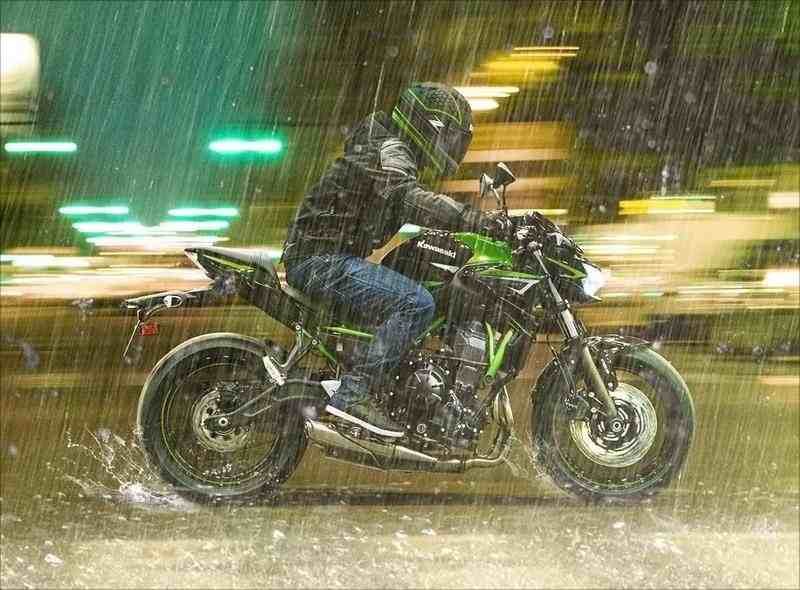
Picture this: You’re all geared up for a ride, but the skies open up, unleashing a downpour. Riding in the rain can be thrilling, but it presents unique challenges, especially when it comes to your helmet.
You might wonder how to keep your vision clear, stay comfortable, and ensure your safety when the rain starts pouring. Imagine confidently navigating the wet roads, feeling secure and in control. This article is your guide to mastering the art of riding with a helmet in the rain.
You’ll discover practical tips to enhance your riding experience and keep your head dry and safe. Ready to transform your rainy rides into a breeze? Keep reading to uncover the secrets of rain-ready helmet riding!

Credit: www.instagram.com
Choosing The Right Helmet
A helmet must have strong waterproof features. Look for sealed edges and rainproof visors. These keep rain out and vision clear. Some helmets have water-repellent coatings. This helps water roll off quickly. A waterproof liner inside is also useful. It keeps the head dry and cozy.
Ventilation is important in rain. Too many vents can let water in. Choose helmets with adjustable vents. This allows control over airflow. Some helmets have special rain covers. These can block water but allow air. Proper ventilation prevents fogging inside.
The helmet material should be sturdy and durable. Polycarbonate and fiberglass are common choices. They resist water and keep their shape. Lightweight materials are better for long rides. This prevents neck strain and fatigue. Always check for quality certifications. It ensures the helmet is safe and reliable.
Preparing For Rainy Weather
Riding with a helmet in the rain demands preparation and caution. Ensure your helmet has a visor to shield eyes from raindrops. Choose anti-fog gear to maintain clear vision in wet conditions.
Checking Weather Forecasts
Always check the weather forecastbefore a ride. It helps you plan better. Knowing the chance of rain prepares you. Use a weather app or watch the news. A little preparation goes a long way. Don’t get caught in a surprise storm.
Packing Rain Gear
Pack a raincoat and waterproof pants. They keep you dry and warm. Wear waterproof boots to protect your feet. Carry extra clothes in a plastic bag. It’s important to stay dry and comfy. A small backpack can fit all you need.
Helmet Maintenance
Check your helmet for any cracks or damage. Make sure it fits snugly. Keep the visor clean for better vision. Use a cloth to wipe off water droplets. A good helmet keeps your head safe in rain. Regular checks ensure your helmet lasts longer.
Visibility Enhancements
Choose a visor with anti-fog coating. It stops fog from forming. This helps you see clearly. Some visors have special layers. These layers keep moisture away. You can also use sprays. These sprays help reduce fog. Always clean your visor gently. This keeps the anti-fog layer safe.
Add lights to your helmet. They help others see you. Lights can be bright or flashing. Flashing lights catch attention fast. Choose waterproof lights for rain. Attach lights firmly. You don’t want them falling off. Check batteries before riding. Keep extra batteries with you.
Place reflective stickers on your helmet. They shine when light hits them. This helps others notice you. Stickers come in many shapes. Choose ones you like best. Make sure they stick well. You don’t want them peeling off. Clean the helmet before sticking them. This helps them stay on longer.

Credit: www.instagram.com
Riding Techniques In Rain
Riding with a helmet in the rain requires clear vision and proper gear. Use an anti-fog visor to prevent mist. Ensure the helmet fits well to avoid water leaks and maintain comfort.
Braking Strategies
Riding in the rain needs smart braking. Use both brakes gently. Avoid sudden stops. Sudden stops can make you slide. Press the brake slowly. This helps in keeping control. Keep both hands on the handlebars. This provides better stability. Wet roads are slippery. Always be careful while braking.
Cornering Safely
Corners can be tricky. Slow down before you reach a corner. Lean your bike slightly. Do not lean too much. It can cause a fall. Look ahead and plan your path. Avoid puddles if possible. Puddles can hide holes. They are not safe for biking.
Maintaining Safe Distance
Keep a distance from other vehicles. Rain reduces visibility. This makes it harder to see. Maintain a gap for safety. Wet roads need more time to stop. More space gives more reaction time. Stay alert and watch other drivers. Always be ready for sudden moves.
Protective Gear For Rain
It’s important to wear a waterproof jacketand pants. These keep you dry and warm. Make sure they fit well. Avoid clothes that are too tight or too loose. A hood can help protect your head and neck. Bright colors or reflective strips make you visible.
Gloves should be water-resistantand warm. They keep your hands dry. Boots need to be sturdy and waterproof. Wet feet can make you sick. Make sure they have good grip to avoid slipping.
- Helmet coverskeep your head dry.
- Use a visor to protect your eyes.
- A neck warmer keeps your neck snug.
These items make riding safer and more comfortable.

Credit: www.tiktok.com
Helmet Care Post-ride
Riding with a helmet in the rain requires extra care to maintain clarity and safety. Ensure your helmet visor is clean and treated with anti-fog spray to improve visibility. After your ride, gently dry the helmet with a soft cloth to prevent moisture damage and store it in a dry place.
Drying And Cleaning
After riding in the rain, it’s important to dry your helmet. Use a soft cloth to wipe off water. Allow it to air dry in a well-ventilated area. Do not use a hairdryer; it can damage the helmet. Clean the visor with warm, soapy water for clear vision.
Inspecting For Damage
Check your helmet for any cracks or dents. Small damages can weaken the helmet’s protection. Look for loose parts or missing pads. Make sure straps are not worn out. If you find damage, consider replacing the helmet.
Storage Tips
Store your helmet in a cool, dry place. Avoid direct sunlight; it can fade the helmet color. Use a helmet bag for extra protection. Keep it away from sharp objects that may scratch it.
Frequently Asked Questions
How To Wear A Helmet In The Rain?
Wear a helmet with a visor to shield your face from rain. Ensure the helmet fits snugly to prevent water entry. Use anti-fog spray on the visor for clear visibility. Choose a helmet with ventilation to reduce moisture buildup. Keep the helmet clean for optimal performance in wet conditions.
How To Make A Helmet Rain Proof?
Apply a water-repellent spray to your helmet’s surface. Ensure all vents are closed during rain. Use a helmet rain cover for extra protection. Regularly check and maintain seals and visors to prevent leaks. Proper care ensures your helmet stays rainproof and durable.
How To Properly Ride A Motorcycle In The Rain?
To ride a motorcycle in the rain, wear waterproof gear and reduce speed. Maintain a safe distance from other vehicles. Use gentle braking and smooth throttle control. Avoid sudden movements and be cautious on slippery surfaces. Check tire tread and pressure for optimal grip.
How To Keep Rain Off Your Helmet Visor?
Apply a water-repellent spray to the visor for rain protection. Use anti-fog solutions to maintain clear visibility. Regularly clean the visor to prevent water buildup. Install a visor insert or pinlock to reduce fogging and raindrop adherence. Opt for helmets with built-in rain-resistant visors for enhanced performance.
Conclusion
Riding with a helmet in the rain requires careful attention. Prioritize safety over convenience. Ensure your helmet fits snugly and has a clear visor. This helps with visibility. Avoid wet roads with deep puddles. They can be slippery. Slow down and maintain control.
Adjust your riding technique for wet conditions. Keep your bike in top shape for rainy rides. Check brakes and tires regularly. Remember, safety is key. Enjoy the ride despite the rain. Stay dry and ride safely. Your helmet is your best friend in wet weather.



