
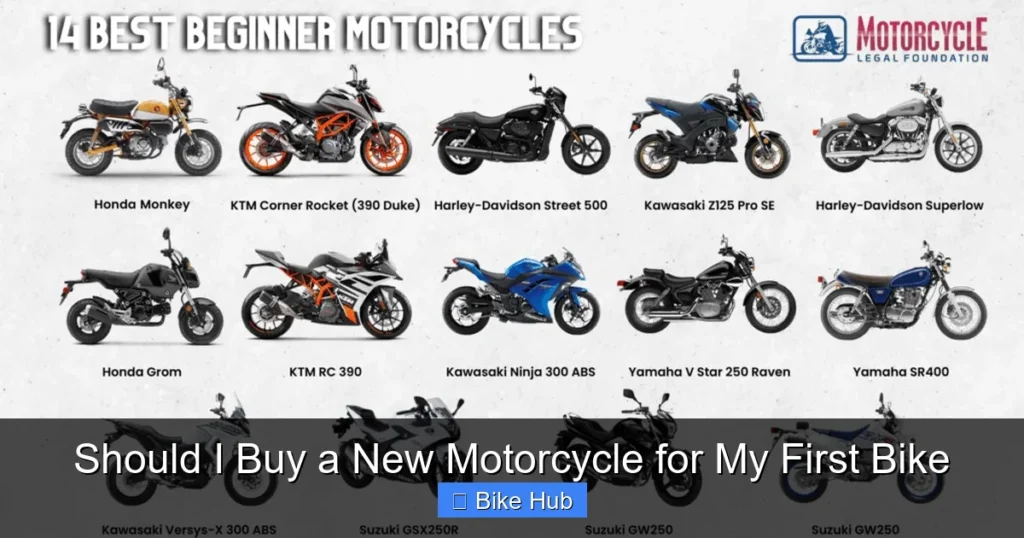
Buying a new motorcycle as your first bike can be exciting, but it’s not always the smartest move. While new bikes offer reliability and warranty protection, they come with higher costs and increased risk for inexperienced riders. Weigh your budget, skill level, and long-term goals before making the leap.
Key Takeaways
- New bikes are reliable but expensive: A new motorcycle comes with the latest tech and a manufacturer’s warranty, but you’ll pay a premium price and face steep depreciation in the first year.
- Used bikes offer better value for beginners: A lightly used motorcycle is often more affordable, less stressful to drop, and easier to resell once you gain experience.
- Start small to build skills safely: A lower-powered bike (under 500cc) helps new riders learn control, balance, and road awareness without being overwhelmed.
- Insurance and maintenance matter: Newer models may have higher insurance premiums and require dealer servicing, which can add up quickly.
- Consider your long-term goals: If you’re serious about motorcycling, starting used lets you gain experience while saving for a dream bike later.
- Take a safety course first: Regardless of bike type, completing a certified rider training program dramatically reduces your risk of accidents.
- Test ride before you buy: Always try a motorcycle before purchasing—comfort and handling are just as important as specs.
Quick Answers to Common Questions
Is it safe to buy a used motorcycle as a beginner?
Yes, as long as you inspect it carefully and choose a reliable model. A used bike with low miles, good maintenance records, and no major damage can be just as safe—and often more practical—than a new one.
What’s the best engine size for a first motorcycle?
Most experts recommend starting with a bike under 500cc. These are lighter, easier to control, and less likely to overwhelm a new rider.
Can I finance a new motorcycle as a first-time buyer?
Yes, but be cautious. Financing increases your overall cost due to interest. Make sure your monthly payments fit comfortably within your budget.
Do I need a special license to ride a motorcycle?
Yes. In most places, you’ll need a motorcycle endorsement or Class M license. Check your local DMV requirements and consider taking a safety course to help pass the test.
How much should I spend on my first motorcycle?
Aim to spend no more than $5,000–$7,000 total, including the bike, gear, and insurance. This keeps your financial risk low while still getting a quality ride.
📑 Table of Contents
Should I Buy a New Motorcycle for My First Bike?
So, you’ve decided to join the world of motorcycling. Congratulations! There’s nothing quite like the feeling of the open road, the wind in your face, and the hum of a well-tuned engine beneath you. But as you dive into this exciting new chapter, one big question looms: Should I buy a new motorcycle for my first bike?
It’s a common dilemma. On one hand, a brand-new motorcycle feels like a dream—fresh from the factory, gleaming paint, zero miles, and that satisfying “new bike smell.” On the other hand, veteran riders often recommend starting with something used. So who’s right?
The truth is, there’s no one-size-fits-all answer. The best choice depends on your budget, riding goals, risk tolerance, and how serious you are about learning. In this guide, we’ll walk you through the pros and cons of buying a new motorcycle as a beginner, help you understand the hidden costs, and give you practical tips to make the smartest decision for your journey.
The Allure of a New Motorcycle
Let’s be honest—there’s something undeniably appealing about buying a new motorcycle. You get to be the first owner, enjoy the latest technology, and ride off the lot with a full warranty. For many, it feels like a rite of passage.
Peace of Mind and Reliability
One of the biggest advantages of a new bike is reliability. You won’t have to worry about hidden mechanical issues or previous owner neglect. Everything is factory-fresh, and most manufacturers offer comprehensive warranties—often covering two years or more. If something breaks, you take it to the dealer, and they fix it at no cost.
Latest Features and Technology
New motorcycles come equipped with modern safety features like ABS (anti-lock braking systems), traction control, ride modes, and even smartphone integration. These aren’t just nice-to-haves—they can significantly improve your safety, especially as a new rider. For example, ABS can prevent wheel lock-up during hard braking, which is a common cause of crashes for beginners.
Customization and Personalization
Buying new also means you can often customize your bike before delivery. Choose your color, add accessories, or opt for performance upgrades straight from the factory. It’s a chance to make the bike truly yours from day one.
The Hidden Costs of Going New
While the benefits sound great, it’s important to look beyond the shiny showroom floor. A new motorcycle comes with financial and practical trade-offs that every beginner should consider.
Higher Purchase Price and Depreciation
New motorcycles are expensive. Even entry-level models can cost $7,000 to $12,000 or more. And here’s the kicker: the moment you ride it off the lot, your bike loses value—fast. In the first year, depreciation can be 20% or more. That means if you buy a $10,000 bike, it could be worth only $8,000 after 12 months, even if it’s in perfect condition.
Insurance Premiums Are Higher
Insurance companies charge more to cover new bikes. Why? Because they’re more expensive to replace, and statistically, new riders are more likely to get into accidents. Comprehensive and collision coverage on a new motorcycle can easily cost $800–$1,500 per year, depending on your age, location, and riding history.
Increased Pressure and Risk
Let’s face it—new riders make mistakes. Dropping the bike, stalling at a stoplight, or misjudging a turn are all part of the learning process. But when your bike is brand new, every scratch feels like a personal failure. That added stress can make learning more difficult and less enjoyable. A used bike, by contrast, feels more forgiving. You’re more likely to take risks and learn from them when you’re not worried about damaging a $12,000 machine.
Why a Used Motorcycle Might Be the Smarter Choice
For most beginners, a used motorcycle offers the best balance of affordability, practicality, and peace of mind.
Lower Upfront Cost
You can find reliable, well-maintained used motorcycles for a fraction of the price of a new one. A 2–3-year-old bike with low miles might cost 30–50% less than its original MSRP. That extra cash can go toward gear, training, or even your next upgrade.
Less Depreciation
Used bikes have already taken the biggest depreciation hit. A 3-year-old motorcycle might lose only 5–10% of its value over the next few years, compared to 20%+ for a new one. This makes it a smarter financial move, especially if you plan to upgrade later.
More Forgiving for New Riders
When you’re learning, drops and dings happen. With a used bike, you won’t lose sleep over a scratched tank or bent mirror. That mental freedom lets you focus on improving your skills instead of protecting your investment.
Wider Selection and Better Value
The used market offers a huge variety of models, from lightweight standards to beginner-friendly cruisers. You can often get a higher-spec bike for the same price as a basic new model. For example, a used Honda CB500F with ABS might cost $5,000, while a new base model could be $7,500.
What to Look for in a First Motorcycle
Whether you go new or used, choosing the right bike is crucial. Here are some key factors to consider.
Engine Size and Power
Start small. A bike under 500cc is ideal for most beginners. It’s lighter, easier to handle, and less intimidating. High-powered bikes (600cc and up) can be overwhelming and dangerous for new riders. Models like the Kawasaki Ninja 400, Yamaha YZF-R3, or Suzuki SV650 (in its lower-powered variants) are excellent beginner-friendly options.
Weight and Seat Height
Make sure you can flat-foot the bike when stopped. A heavy bike is harder to balance and more dangerous if you drop it. Look for models with a low seat height (under 31 inches) and manageable weight (under 450 lbs).
Reliability and Maintenance
Stick with brands known for reliability—Honda, Yamaha, Kawasaki, and Suzuki are top choices. Avoid rare or high-maintenance models that could leave you stranded or cost a fortune to repair.
ABS and Safety Features
If possible, choose a bike with ABS. It’s one of the most effective safety features for new riders. Even on a used bike, ABS can make a big difference in emergency braking situations.
Practical Tips for First-Time Buyers
No matter which path you choose, these tips will help you make a smart, safe decision.
Take a Motorcycle Safety Course
Before you even think about buying, sign up for a Basic RiderCourse (BRC) through the Motorcycle Safety Foundation (MSF). These courses teach essential skills like braking, turning, and hazard avoidance—and many insurance companies offer discounts for completing one.
Set a Realistic Budget
Don’t just focus on the bike’s price. Factor in gear (helmet, jacket, gloves, boots), insurance, registration, maintenance, and fuel. A good rule of thumb: your total first-year cost should not exceed 15–20% of your annual income.
Inspect the Bike Thoroughly
If buying used, inspect the bike carefully. Check for signs of damage, leaks, or poor maintenance. Better yet, bring a knowledgeable friend or hire a mechanic for a pre-purchase inspection.
Test Ride Before Buying
Always test ride a motorcycle before purchasing. Pay attention to how it feels at low speeds, how the brakes respond, and whether the controls are comfortable. If something feels off, walk away.
Buy from a Reputable Source
Whether it’s a dealership or a private seller, make sure they’re trustworthy. Dealerships offer more protection (and often certified pre-owned programs), while private sellers may offer better prices—but require more due diligence.
Final Thoughts: Make the Right Choice for You
So, should you buy a new motorcycle for your first bike? The short answer: it depends.
If you have the budget, value peace of mind, and plan to keep the bike long-term, a new motorcycle can be a great investment. But for most beginners, a used bike offers better value, lower stress, and a more practical learning experience.
Remember, motorcycling is about the journey—not just the destination. Your first bike doesn’t have to be perfect. It just has to be safe, reliable, and help you build the skills and confidence you need to enjoy the ride.
Take your time, do your research, and don’t rush into a decision. And most importantly, ride smart, wear your gear, and keep learning. The road ahead is full of adventure—make sure you’re ready for it.
Frequently Asked Questions
Should I buy a new or used motorcycle for my first bike?
For most beginners, a used motorcycle is the smarter choice. It’s more affordable, depreciates slower, and is less stressful to learn on. New bikes offer reliability and warranties but come with higher costs and greater financial risk.
What are the risks of buying a new motorcycle as a beginner?
The main risks include high depreciation, expensive insurance, and increased pressure to avoid damage. New riders are more likely to drop or crash their bike, which can be emotionally and financially painful with a brand-new machine.
Can I upgrade to a better bike later if I start with a used one?
Absolutely. Starting with a used bike lets you gain experience and save money. Once you’re confident and know what you want, you can trade up to a newer or more powerful model.
Are there any benefits to buying a new motorcycle as a first-time rider?
Yes. New bikes come with the latest safety features, full warranties, and no prior wear and tear. They’re ideal if you value reliability and plan to keep the bike for many years.
What should I avoid when buying my first motorcycle?
Avoid high-powered bikes, rare models, and anything that feels too heavy or uncomfortable. Also, don’t skip safety gear or training—your safety is more important than saving money upfront.
Is it worth paying extra for ABS on a beginner bike?
Yes. ABS significantly reduces the risk of skidding during hard braking, which is especially helpful for new riders. It’s one of the best safety investments you can make.



