
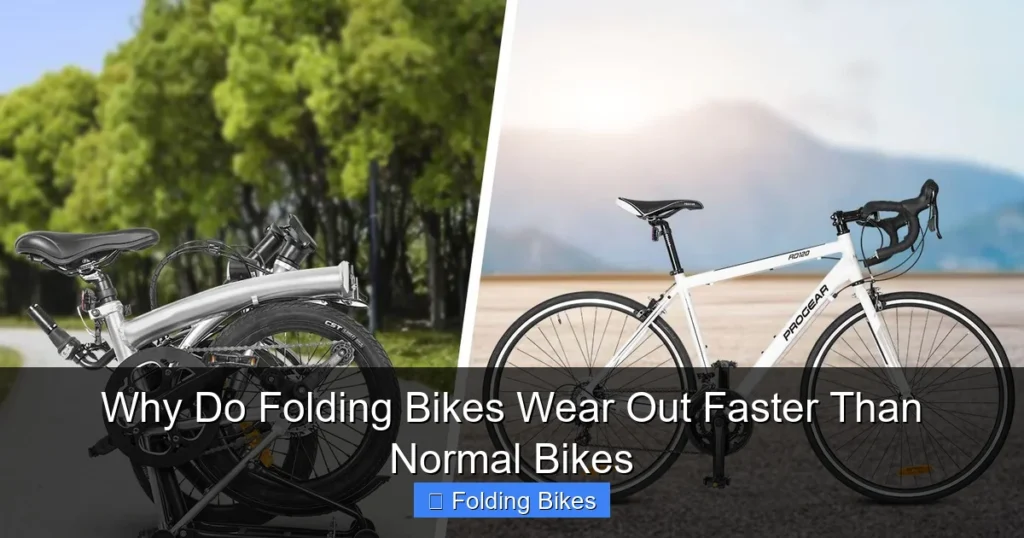
Folding bikes often wear out faster due to their compact design, extra joints, and frequent use in urban environments. This guide explains the key reasons behind accelerated wear and offers actionable maintenance tips to keep your folding bike running smoothly for years.
Key Takeaways
- Folding mechanisms add stress points: Hinges and latches endure repeated movement, leading to faster wear and potential failure if not maintained.
- Smaller wheels wear quicker: Smaller wheels on folding bikes rotate more per mile, increasing tire and bearing wear over time.
- Frequent folding weakens components: Constant folding and unfolding strains cables, brakes, and frame joints.
- Urban riding increases exposure to elements: City commuters face more rain, dirt, and road salt, accelerating corrosion and component degradation.
- Lower-end models use lighter materials: To reduce weight, some folding bikes use aluminum or thin steel that may fatigue faster under stress.
- Proper maintenance extends lifespan: Regular cleaning, lubrication, and hinge checks can significantly slow wear and improve performance.
- Invest in quality accessories: Using a best folding bike pump and protective gear helps maintain tire pressure and reduces strain on components.
Why Do Folding Bikes Wear Out Faster Than Normal Bikes?
If you’ve owned a folding bike, you might have noticed that parts seem to wear out faster than on a standard bicycle. Whether it’s squeaky hinges, wobbly handlebars, or tires that go flat more often, the signs of wear can appear sooner than expected. But why is that?
In this guide, we’ll explore the main reasons folding bikes tend to degrade faster than traditional bikes. You’ll learn about design compromises, mechanical stress points, and environmental factors that contribute to accelerated wear. Most importantly, we’ll give you practical steps to maintain your folding bike and extend its life—so you can keep riding smoothly, mile after mile.
Understanding the Design Differences

Visual guide about Why Do Folding Bikes Wear Out Faster Than Normal Bikes
Image source: ecomotioncentral.com
Folding bikes are engineered for convenience, not just performance. Their compact size and ability to fold make them ideal for commuters, travelers, and city dwellers. However, this convenience comes with trade-offs.
Compact Frame and Joints
Unlike standard bikes with a single, rigid frame, folding bikes have multiple connection points—hinges, latches, and folding mechanisms. These joints are necessary for folding, but they introduce weak points. Every time you fold or unfold your bike, these parts experience stress. Over time, this repeated motion can lead to loosening, wear, or even failure.
For example, the main hinge that allows the frame to fold is under constant tension. If not regularly checked and tightened, it can develop play, causing instability and increasing wear on surrounding components.
Smaller Wheels and Higher Rotation
Most folding bikes use 16” to 20” wheels, much smaller than the 26” or 29” wheels found on traditional bikes. While smaller wheels make the bike more portable, they also rotate more times per mile. This means the tires, rims, and bearings experience more revolutions, leading to faster wear.
Additionally, smaller wheels are more susceptible to bumps and potholes, transmitting more shock to the frame and components. This constant jolting can loosen bolts, degrade suspension (if present), and fatigue metal parts over time.
Mechanical Stress from Folding
The very act of folding a bike puts unique stress on its components. Every fold and unfold cycle affects cables, brakes, and drivetrain parts.
Cable and Brake Wear
Folding bikes often have cables that route through or near hinges. Each time you fold the bike, these cables bend and flex. Over time, this repeated bending can cause internal wire fraying, leading to poor shifting or brake performance.
For instance, the rear brake cable on many folding bikes runs along the folding joint. If not properly routed or protected, it can kink or wear against the frame. This not only reduces braking efficiency but can also lead to sudden failure.
Hinge and Latch Fatigue
The hinges and latches that allow the bike to fold are made to be lightweight and compact. However, they’re often made from aluminum or thin steel, which can fatigue under constant use. A loose or worn latch not only makes the bike less safe but also increases stress on the frame.
Regular inspection is key. Check hinges for play, cracks, or rust. Apply a small amount of lubricant to moving parts to reduce friction and prevent corrosion.
Environmental and Usage Factors
How and where you ride your folding bike plays a big role in how quickly it wears out.
Urban Commuting Challenges
Most folding bikes are used in cities, where riders face stop-and-go traffic, frequent braking, and exposure to rain, salt, and grime. These conditions accelerate wear on brakes, chains, and drivetrain components.
For example, riding in wet weather without proper fenders can lead to water and mud buildup in the chain and gears. This causes rust and increases friction, wearing down parts faster. Using fenders can help protect your bike from road spray and extend component life.
Frequent Transport and Storage
Folding bikes are often carried on trains, buses, or stored in small apartments. This frequent handling increases the risk of drops, bumps, and improper storage. A bike left in a damp basement or exposed to temperature swings can develop rust or warped components.
To protect your bike, store it in a dry, temperature-controlled space. Use a bike cover if necessary, and avoid leaning it against walls where it might fall.
Material and Build Quality Considerations
Not all folding bikes are created equal. Lower-cost models often use lighter materials to reduce weight, but this can come at the cost of durability.
Aluminum vs. Steel Frames
Many folding bikes use aluminum frames because they’re lightweight and resist rust. However, aluminum can fatigue over time, especially at stress points like hinges and welds. Steel frames are heavier but more durable and better at absorbing shocks.
If you’re buying a folding bike, consider models with reinforced hinges and high-quality steel or chromoly frames for longer life.
Component Quality
Budget folding bikes may come with lower-tier components—cheaper brakes, derailleurs, and chains. These parts wear out faster and may not perform as well under stress. Upgrading to higher-quality components, such as those found on best folding mountain bikes for bikepacking, can improve longevity and ride quality.
How to Slow Down Wear and Extend Lifespan
The good news? With proper care, you can significantly reduce wear and keep your folding bike in great shape for years.
Regular Maintenance Routine
Set a monthly maintenance schedule. Here’s what to include:
- Clean the chain and drivetrain: Use a degreaser and brush to remove dirt and grime. Re-lubricate with bike-specific oil.
- Check tire pressure: Underinflated tires increase rolling resistance and wear. Use a best folding bike pump to maintain proper PSI.
- Inspect hinges and latches: Look for looseness, rust, or damage. Tighten bolts and apply lubricant as needed.
- Test brakes and gears: Ensure cables are not frayed and that shifting is smooth.
Lubricate Moving Parts
Apply lubricant to hinges, latches, and cable guides every few months. Use a light bike oil or silicone spray. Avoid over-lubricating, as excess oil can attract dirt.
Protect from the Elements
If you ride in wet or salty conditions, rinse your bike with fresh water after each ride. Dry it thoroughly and apply a protective spray to metal parts. Consider using weatherproofing tips designed for bikes to prevent corrosion.
Store Properly
Store your folded bike upright or on a rack. Avoid stacking heavy items on top. If space is limited, use a bike cover to protect it from dust and moisture.
Troubleshooting Common Wear Issues
Even with care, folding bikes can develop problems. Here’s how to address common issues:
Squeaky or Stiff Hinges
This is usually due to lack of lubrication or dirt buildup. Clean the hinge, apply lubricant, and test the fold. If it’s still stiff, check for damage or misalignment.
Wobbly Handlebars or Seatpost
Loose clamps are a common cause. Tighten the bolts on the stem and seatpost. Use a torque wrench if possible to avoid over-tightening.
Poor Braking Performance
Check brake pads for wear and alignment. Inspect cables for fraying. If the issue persists, consider upgrading to higher-quality brakes.
Chain Slippage or Skipping
This may indicate a worn chain or cassette. Replace them together to ensure proper engagement. Regular cleaning and lubrication can prevent early wear.
Conclusion
Folding bikes wear out faster than normal bikes due to their complex design, smaller components, and frequent use in demanding environments. The hinges, cables, and wheels all face unique stresses that accelerate wear over time. However, with regular maintenance, proper storage, and smart upgrades, you can significantly extend the life of your folding bike.
By understanding the reasons behind faster wear—and taking proactive steps to care for your bike—you’ll enjoy a smoother, safer, and more reliable ride. Whether you’re commuting to work or exploring the city, a well-maintained folding bike can be a long-lasting companion.



