
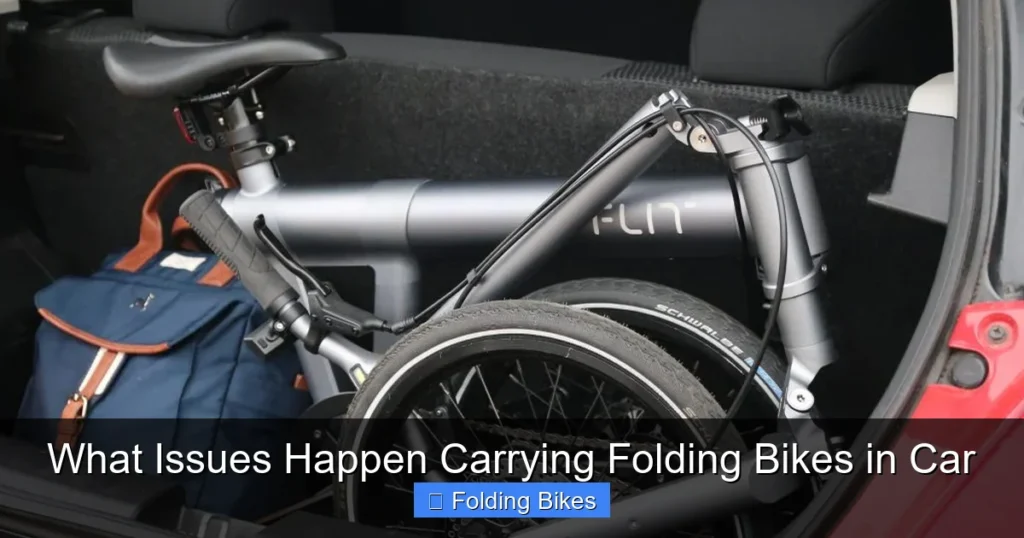
Carrying folding bikes in a car seems simple, but several challenges can arise—from space constraints to bike damage and safety hazards. This guide walks you through the most common problems and offers smart, actionable fixes so you can transport your folding bike with confidence.
Key Takeaways
- Space limitations are the top issue: Even folded, folding bikes can take up more room than expected, especially in smaller vehicles.
- Bike damage during transit is common: Scratches, bent frames, or broken components can occur if the bike isn’t secured properly.
- Improper securing leads to safety risks: A loose bike can shift during driving, becoming a dangerous projectile in sudden stops.
- Interior mess from grease and dirt: Tires and chains can leave marks or stains on car seats and carpets.
- Difficulty accessing the bike quickly: Poor packing can make it hard to unload the bike when you arrive at your destination.
- Weather exposure during loading/unloading: Rain or snow can damage both the bike and your car’s interior if not handled carefully.
- Choosing the right storage method matters: Using bike bags, racks, or interior organizers can prevent most issues.
Introduction: Why Transporting Folding Bikes Isn’t Always Easy
Folding bikes are designed for convenience—compact, portable, and perfect for commuters, travelers, and urban riders. But while folding them down seems like the hard part is over, getting them into your car safely and efficiently can bring a whole new set of challenges. Many riders assume that because the bike folds, it’ll fit anywhere. In reality, carrying folding bikes in a car often leads to unexpected issues that can damage your bike, your vehicle, or even compromise safety.
In this guide, we’ll walk you through the most common problems people face when transporting folding bikes by car. You’ll learn how to avoid scratches, save space, keep your car clean, and ensure your bike arrives in perfect condition—every time. Whether you’re heading to a trail, commuting, or going on a bikepacking trip, these tips will make your journey smoother.
Issue 1: Limited Space in the Car
Even though folding bikes are smaller than standard bikes, they still take up valuable space—especially if you’re driving a compact car, sedan, or hatchback. A folded bike typically measures around 30 x 15 x 25 inches, which might not sound like much, but it can block rear visibility, interfere with passenger seating, or crowd cargo areas.
Visual guide about What Issues Happen Carrying Folding Bikes in Car
Image source: cdn.shopify.com
How to Maximize Space
- Fold the bike correctly: Make sure you’re using the full folding mechanism. Some bikes have multiple hinges—check your manual to ensure you’re collapsing it to its smallest size.
- Remove the saddle and handlebars (if possible): Some models allow you to detach these parts for even more compact storage.
- Use the back seat or footwell: In sedans, placing the folded bike on the rear seat or in the footwell behind the front passenger seat can free up trunk space.
- Consider a roof or trunk rack: If interior space is too tight, a bike rack designed for compact bikes can be a great alternative.
Pro Tip: If you’re traveling with others, assign one person to handle bike loading so it doesn’t become a last-minute scramble.
Issue 2: Risk of Bike Damage During Transit
A folded bike might look sturdy, but its compact form makes it vulnerable. Hinges, cables, and delicate components like derailleurs or disc brakes can get bent or scratched if the bike shifts around or is placed under heavy items.
How to Protect Your Folding Bike
- Use a padded bike bag: A dedicated folding bike bag with foam padding protects against impacts and scratches. Look for ones with shoulder straps for easy carrying.
- Wrap the bike in a soft cloth or towel: If you don’t have a bag, wrap the frame and wheels in a microfiber cloth or old blanket.
- Store it upright or on its side: Avoid placing heavy items on top of the folded bike. If you must stack, put lighter items like backpacks or clothing on top.
- Secure moving parts: Use zip ties or Velcro straps to keep wheels, pedals, and handlebars from flapping around.
Example: A rider once placed their folded bike in the trunk without padding. During a sharp turn, the bike shifted and bent the rear derailleur—costing $80 in repairs. A $30 bike bag would have prevented it.
Issue 3: Safety Hazards from Improper Securing
A loose folding bike in the car is a safety risk. In the event of sudden braking or a collision, an unsecured bike can become a dangerous projectile, injuring passengers or damaging the interior.
How to Secure Your Bike Safely
- Use cargo straps or bungee cords: Anchor the folded bike to seat anchors, headrest posts, or cargo hooks using ratchet straps. Avoid over-tightening, which can damage the frame.
- Place it in the footwell: The footwell behind the front seat is a stable, low-risk zone. Use a non-slip mat to prevent sliding.
- Avoid the passenger seat: Never place a folded bike on the front passenger seat—it can interfere with airbag deployment.
- Check local laws: Some regions require cargo to be secured if it’s in the passenger area. Always double-check regulations.
Pro Tip: If you’re carrying multiple bikes, use a rear bike basket or a trunk rack to keep them separated and stable.
Issue 4: Mess from Grease, Dirt, and Tires
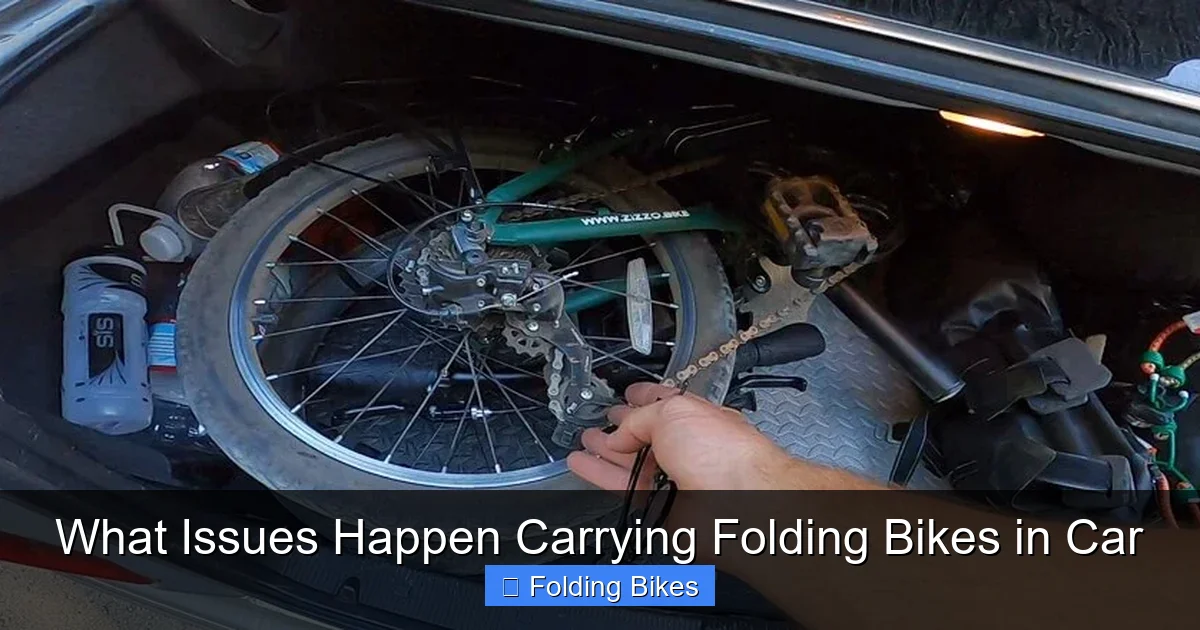
Folding bikes often have exposed chains, greasy drivetrains, and dirty tires—especially after a ride. Throwing a folded bike into your car without protection can leave grease stains on seats, mud on carpets, or tire marks on upholstery.
How to Keep Your Car Clean
- Wipe down the bike before loading: Use a damp cloth to clean tires, chain, and frame. A quick wipe takes 2 minutes but saves hours of cleaning.
- Use a bike cover or plastic bag: A simple trash bag or reusable bike cover keeps dirt and grease contained.
- Place it on a towel or mat: Lay down an old towel or rubber mat in the trunk or seat to catch any drips or debris.
- Store tools and accessories separately: Keep pumps, locks, and multitools in a separate bag to avoid cross-contamination.
Example: After a rainy ride, one rider folded their bike and placed it in the backseat. The wet tires left dark streaks on the leather seats—now they always use a folding bike pump with a built-in storage bag to keep things tidy.
Issue 5: Difficulty Accessing the Bike at Your Destination
It’s frustrating to arrive at your destination only to find your bike buried under luggage, hard to reach, or tangled with other items. Poor packing can turn a quick stop into a 10-minute unpacking session.
How to Improve Accessibility
- Load the bike last, unload first: Place the folded bike on top of other cargo so it’s easy to grab when you arrive.
- Use a dedicated bike compartment: Some cars have fold-down seats or modular trunks. Use these zones exclusively for the bike.
- Label your bike bag: If using a bag, add a bright tag or label so you can spot it quickly.
- Pack essentials nearby: Keep your helmet, lock, and pump in an outer pocket or side compartment for fast access.
Issue 6: Weather Exposure During Loading and Unloading
Rain, snow, or extreme heat can affect both your bike and your car. Wet conditions can cause rust or electrical issues (especially on e-folding bikes), while hot interiors can damage components like rubber seals or battery packs.
How to Handle Weather Challenges
- Use a waterproof bike bag: Choose a bag with sealed seams and a rain flap to keep moisture out.
- Unload quickly in bad weather: Have a plan to move the bike from car to shelter fast. Consider a lightweight cover for short transfers.
- Avoid leaving the bike in a hot car: High temperatures can degrade tires, weaken adhesives, and damage e-bike batteries. If possible, store the bike in a cooler part of the vehicle.
- Check for condensation: If you ride in the rain and then fold the bike, let it dry partially before storing to prevent mold or corrosion.
Troubleshooting Common Problems
Even with the best planning, issues can still pop up. Here’s how to handle them:
- Bike won’t fit in the trunk? Try removing the front wheel (if quick-release) or folding the handlebars lower. Some bikes allow partial disassembly.
- Straps won’t hold the bike in place? Use multiple anchor points and cross-strap for stability. Avoid using weak hooks or loose loops.
- Grease still getting on seats? Upgrade to a full-coverage bike bag or use a heavy-duty plastic liner inside a fabric bag.
- Bike shifts during driving? Reassess your securing method. Add foam blocks or use a cargo net for extra hold.
Conclusion: Smart Transport = Better Rides
Carrying folding bikes in a car doesn’t have to be a headache. By understanding the common issues—space, damage, safety, cleanliness, accessibility, and weather—you can take simple steps to protect your bike and your vehicle. With the right tools and techniques, your folding bike will arrive ready to ride, every time.
Remember: a little preparation goes a long way. Invest in a good bike bag, use proper securing methods, and keep your car clean. Whether you’re commuting, traveling, or exploring new trails, these tips will help you enjoy the full convenience of your folding bike—without the stress.



