
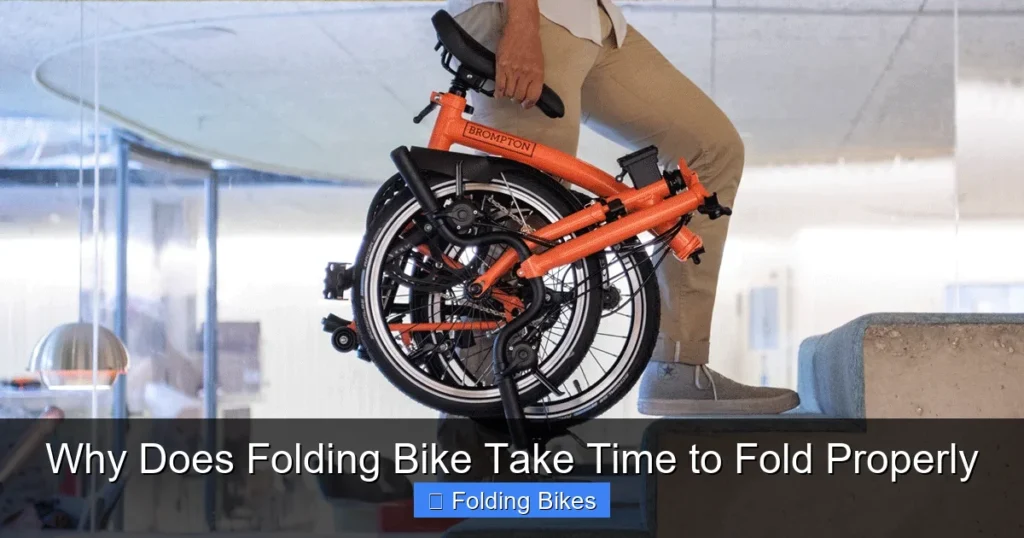
Folding bikes don’t fold instantly—they require careful steps to ensure safety, durability, and proper function. This guide explains why patience matters and how to fold your bike efficiently every time.
Key Takeaways
- Folding mechanisms are complex: Most folding bikes use multiple hinges, latches, and locks that must be released and secured in sequence.
- Safety is built into the design: Slow, deliberate folding prevents accidental collapses and protects both rider and bike.
- Lubrication and maintenance matter: Stiff joints and squeaky hinges slow down the process—regular care keeps things smooth.
- Practice improves speed: The more you fold your bike, the faster and more confident you’ll become.
- Incorrect folding damages components: Rushing can bend frames, misalign wheels, or wear out critical parts over time.
- Storage and transport needs vary: Some folds are better for trunks, others for public transit—know your use case.
- User error is common: Many delays come from skipping steps or not following the manufacturer’s instructions.
Why Does Folding Bike Take Time to Fold Properly?
If you’ve ever stood beside your folding bike, fumbling with latches and wondering why it doesn’t just “snap” shut like a suitcase, you’re not alone. Folding bikes are marvels of engineering—compact, portable, and perfect for city commuters, travelers, and apartment dwellers. But one thing they’re not? Instant.
So why does folding bike take time to fold properly? The short answer: because safety, precision, and durability matter more than speed. Unlike a simple backpack or umbrella, a folding bike is a precision machine with moving parts, structural integrity, and safety systems that demand attention. Rushing the process can lead to damage, injury, or a bike that won’t unfold correctly later.
In this guide, you’ll learn exactly why folding takes time, how to do it efficiently, and how to avoid common mistakes. Whether you’re new to folding bikes or just looking to speed up your routine, these tips will help you fold with confidence—and care.
Understanding the Folding Mechanism
Before you can fold your bike quickly, you need to understand how it works. Most folding bikes use a combination of hinges, quick-release levers, and locking systems to collapse the frame, handlebars, and pedals.
Frame Hinge
The main fold usually happens at the frame’s midpoint. A reinforced hinge allows the bike to bend in half, reducing its length by up to 50%. This hinge often has a locking mechanism—either a lever, bolt, or twist-lock—that must be disengaged before folding.
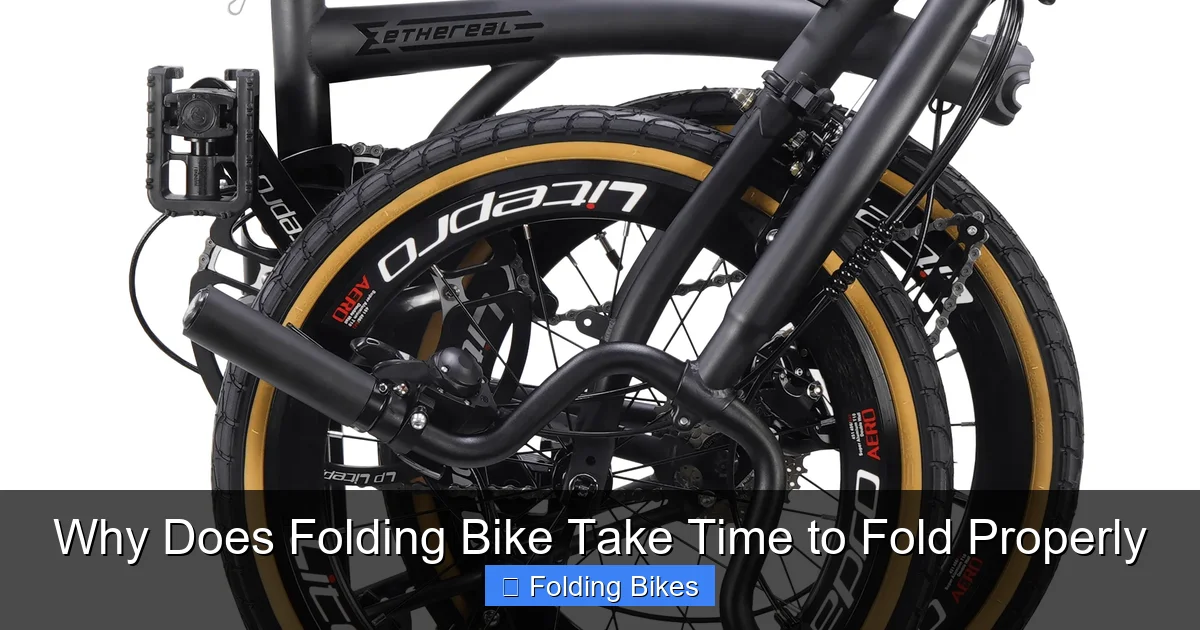
Visual guide about Why Does Folding Bike Take Time to Fold Properly
Image source: thebikeatrium.com
Handlebar Stem
Many models feature a folding or telescoping stem. Some drop down, others swing sideways. This step often requires loosening a clamp or flipping a latch.
Pedals
Most folding bikes have foldable pedals that tuck inward to reduce width. These may twist, flip, or snap into place. Not all pedals fold the same way, so check your model.
Seat Post
The seat post typically slides down into the frame tube. Some bikes have quick-release clamps; others need a hex key. This step is essential for compact storage.
Wheel Alignment
After folding, the wheels must align properly so the bike sits stably when stored. Misalignment can make the bike wobble or fall over—another reason why folding can’t be rushed.
Why Speed Isn’t the Goal
You might think, “Why can’t I just yank it closed?” The truth is, folding bikes are designed for reliability, not speed. Here’s why taking your time is actually faster in the long run.
Safety First
Imagine folding your bike in a crowded train station and having it collapse unexpectedly because a latch wasn’t fully engaged. That’s a real risk. Each step in the folding process ensures that when you unfold the bike later, it’s safe to ride. Skipping steps can lead to loose joints, misaligned brakes, or even frame failure.
Protecting Your Investment
Folding bikes are precision machines. Forcing hinges or jamming parts can bend aluminum frames, strip threads, or damage cables. A little patience prevents costly repairs. For example, over-tightening a hinge bolt can crack the frame—something we’ve seen in poorly maintained rentals.
Consistency Matters
Every time you fold your bike, you should follow the same sequence. This builds muscle memory and reduces errors. If you rush, you might forget to lower the seat or fold a pedal, leading to frustration and delays later.
Step-by-Step: How to Fold Your Bike Properly
Now that you know why folding takes time, let’s walk through the process. Use this as a checklist until it becomes second nature.
Step 1: Prepare the Bike
- Shift into the smallest gear to reduce chain tension.
- Ensure the bike is on a flat, stable surface.
- Remove any loose items (bags, water bottles) that could interfere.
Step 2: Lower the Seat Post
Use the quick-release lever or hex key to drop the seat all the way down. This reduces height and prevents the seat from catching during folding.
Step 3: Fold the Pedals
Flip or twist each pedal inward. Some models require you to press a button or use a tool. Make sure they’re fully secured—loose pedals can scratch frames or snag on clothing.
Step 4: Release the Handlebar
Loosen the stem clamp and fold or lower the handlebars. On some bikes, this step comes before the frame fold; on others, after. Check your manual.
Step 5: Unlock the Main Hinge
Flip the lever or unscrew the lock on the frame hinge. Hold the bike firmly—once released, it will want to fold.
Step 6: Fold the Frame
Gently bring the two halves together. Guide the wheels so they align neatly. Don’t force it—if it’s stiff, check for obstructions or tight cables.
Step 7: Secure the Fold
Most bikes have a strap, clip, or magnetic lock to hold the folded shape. Fasten it to prevent accidental unfolding.
Step 8: Final Check
Give the bike a gentle shake. If it wobbles or feels loose, recheck the latches. A properly folded bike should stand upright or fit snugly in a bag.
Common Mistakes That Slow You Down
Even experienced riders make errors. Here are the top time-wasters—and how to avoid them.
Forgetting to Lower the Seat
A raised seat post can block the frame from folding fully. Always drop it first.
Over-Tightening Latches
Some riders crank down hinges “just to be safe.” This makes future folding harder and can damage threads. Tighten just enough to prevent movement.
Ignoring Lubrication
Dry hinges and stiff pedals slow everything down. Regularly apply a light bike lubricant to moving parts. For tips on storing and using lubricant, check out our guide on how to store bike lubricant.
Folding Out of Order
Every bike has a recommended sequence. Doing steps out of order can jam the mechanism. Keep your manual handy until you memorize it.
Not Practicing
The best way to fold faster is to do it more. Practice at home until it feels natural. Time yourself—most riders fold in under 30 seconds with practice.
Troubleshooting Common Folding Issues
Sometimes, folding doesn’t go as planned. Here’s how to fix the most common problems.
Bike Won’t Fold All the Way
- Check if the seat is fully lowered.
- Ensure cables (brake, gear) aren’t caught.
- Look for debris in the hinge.
Hinge Feels Stiff or Stuck
This is often due to lack of lubrication or dirt buildup. Clean the hinge with a brush, then apply a drop of lubricant. Avoid WD-40—it attracts grime. For long-term care, see our article on how to protect a bike frame from rust.
Pedals Won’t Stay Folded
Some foldable pedals have weak springs. Try cleaning the pivot point or replacing the pedal if it’s worn. Never tape them shut—this can damage the mechanism.
Bike Wobbles When Folded
This usually means the wheels aren’t aligned. Adjust the fold until both wheels sit flat. Some bikes have adjustable wheel stops—use them.
Tips for Faster, Smoother Folding
Once you’ve mastered the basics, these pro tips will help you fold like a veteran.
Use a Folding Mat or Bag
A dedicated bag protects your bike and keeps all parts contained. It also makes transport easier—especially on buses or trains.
Keep Tools Handy
If your bike requires a hex key, attach a mini multi-tool to the frame. Losing tools mid-fold is a common delay.
Watch Your Surroundings
Folding in tight spaces? Do it near a wall or corner to prevent the bike from tipping. Avoid windy areas—folded bikes can catch gusts like sails.
Maintain Regularly
A well-maintained bike folds easier. Clean hinges, check bolts, and lubricate moving parts monthly. For drivetrain care, read our guide on how to clean a road bike drivetrain.
Conclusion
So, why does folding bike take time to fold properly? Because it’s not just about making the bike smaller—it’s about doing it safely, correctly, and consistently. Every latch, hinge, and pedal plays a role in ensuring your bike remains rideable, durable, and secure.
While it might feel slow at first, folding becomes second nature with practice. And the time you invest upfront saves you from breakdowns, injuries, and repairs down the road. Think of it not as a chore, but as part of your bike’s care routine—like checking tire pressure or cleaning your chain.
With the right technique and a little patience, you’ll be folding your bike smoothly in under a minute. And when that happens, you’ll appreciate not just the convenience, but the thoughtful engineering that makes it all possible.



