
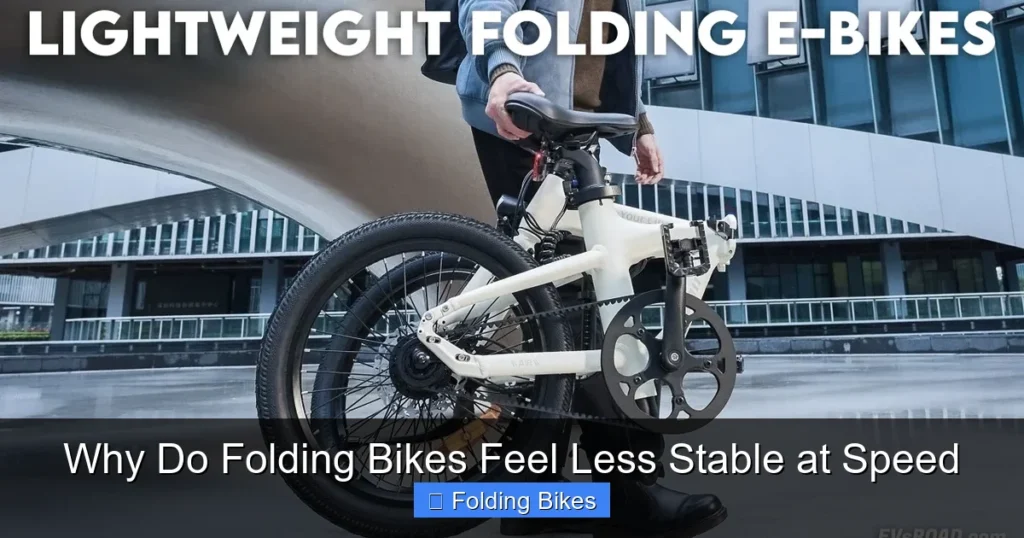
Folding bikes often feel less stable at higher speeds due to their compact design, smaller wheels, and shorter wheelbases. This guide explains the engineering reasons behind the instability and offers actionable solutions to enhance ride quality and control.
Key Takeaways
- Smaller wheels reduce gyroscopic stability: The reduced mass and rotational inertia of small wheels make folding bikes more sensitive to bumps and steering inputs at speed.
- Shorter wheelbase affects balance: A compact frame shortens the distance between wheels, reducing straight-line stability and increasing twitchiness.
- Lightweight frames can amplify vibrations: Thinner tubing and lighter materials may transmit more road feedback, making the bike feel less planted.
- Steering geometry plays a key role: Steeper head tube angles on folding bikes increase responsiveness but reduce high-speed stability.
- Proper tire pressure is critical: Incorrect inflation can exaggerate instability; using the right pressure improves grip and ride quality.
- Weight distribution matters: Poorly balanced loads or rider position can worsen handling, especially when riding fast.
- Upgrades and adjustments help: Simple tweaks like better tires, suspension seatposts, or frame braces can significantly improve stability.
Why Do Folding Bikes Feel Less Stable at Speed?
If you’ve ever ridden a folding bike at higher speeds—say, 18 mph or more—you may have noticed a slight wobble, a sense of nervousness in the steering, or a feeling that the bike isn’t “glued” to the road like a full-sized bicycle. This is a common experience, and it’s not just in your head. Folding bikes are engineered for convenience, portability, and compactness, but these very features can compromise high-speed stability.
In this guide, we’ll explore the engineering and design reasons behind why folding bikes feel less stable at speed. You’ll learn how frame geometry, wheel size, weight distribution, and component choices all contribute to the ride experience. More importantly, we’ll walk you through practical steps you can take to improve stability, boost confidence, and enjoy faster, smoother rides on your folding bike.
Understanding the Core Design Trade-Offs
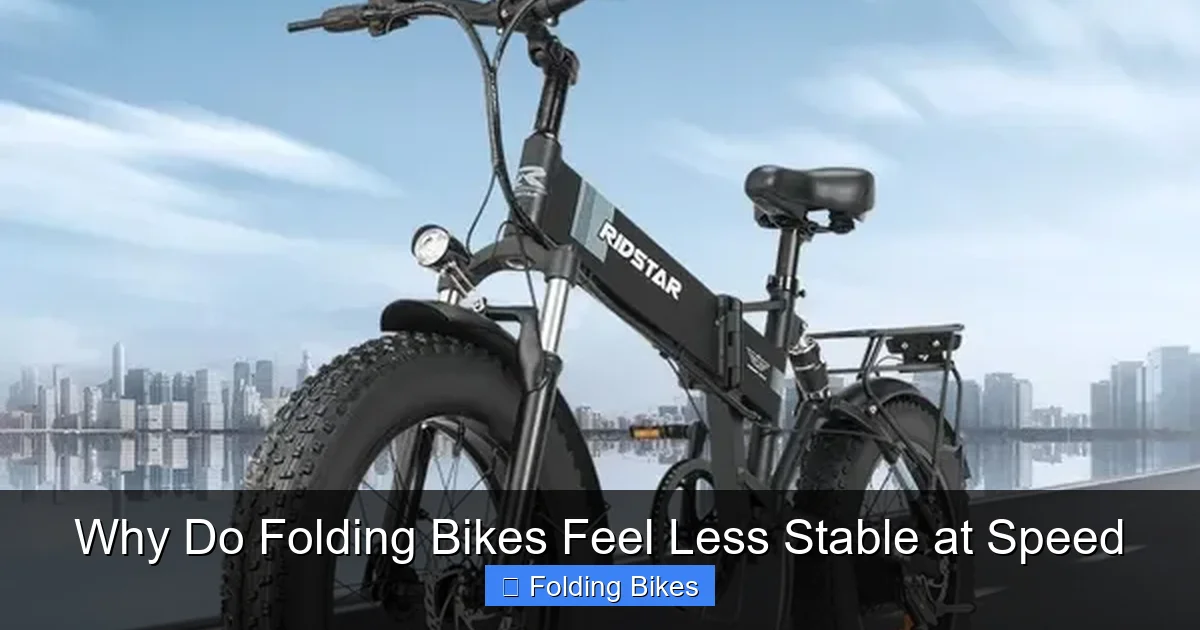
Visual guide about Why Do Folding Bikes Feel Less Stable at Speed
Image source: canary.contestimg.wish.com
Folding bikes are built to collapse into a compact package, making them ideal for commuters, travelers, and city dwellers with limited storage. However, this portability comes with trade-offs—especially when it comes to high-speed performance.
1. Smaller Wheels = Less Gyroscopic Stability
One of the most significant factors affecting stability is wheel size. Most folding bikes use 16″ to 20″ wheels, compared to the standard 26″ to 29″ wheels on full-sized bikes.
Smaller wheels have less rotational mass, which means they generate less gyroscopic effect. This effect helps larger wheels resist changes in direction and maintain a straight line. With less of this stabilizing force, folding bikes are more easily knocked off course by crosswinds, road imperfections, or sudden steering inputs.
Additionally, smaller wheels roll over bumps less smoothly. They hit potholes and cracks more abruptly, sending vibrations up through the frame and into your hands and body. This can make the bike feel jittery or unstable, especially on rough pavement.
2. Shorter Wheelbase Reduces Straight-Line Stability
The wheelbase—the distance between the front and rear axles—is typically much shorter on folding bikes. A shorter wheelbase makes the bike more maneuverable in tight spaces, which is great for navigating city streets or storing in small apartments.
But at higher speeds, a short wheelbase can make the bike feel twitchy. It’s easier to overcorrect with the handlebars, and the bike may feel less planted during fast descents or when changing lanes. Think of it like a sports car versus a long-wheelbase luxury sedan—the sports car is agile, but the sedan feels more stable at highway speeds.
3. Lightweight Frame Materials and Construction
To keep weight down for easy carrying, folding bikes often use lightweight aluminum or steel tubing. While this helps with portability, thinner frame members can flex more under load, especially when riding over uneven surfaces or during hard braking.
This flex can translate into a vague or “noodly” feel in the steering and frame, reducing your sense of control. Some high-end models use reinforced joints or carbon fiber components to minimize this, but many budget folding bikes don’t.
How Steering Geometry Affects Stability
The angle of the head tube (where the front fork attaches) and the fork rake (the offset of the fork blades) determine how the bike steers. Folding bikes often have steeper head tube angles—sometimes 72 degrees or more—compared to the 70–71 degrees common on road or hybrid bikes.
A steeper angle makes the bike respond quickly to steering input, which is great for dodging traffic or making sharp turns. But it also means the bike is more sensitive at speed. A small movement of the handlebars can result in a larger change in direction, leading to oversteering or wobble.
This is especially noticeable when riding no-hands or in windy conditions. The bike may feel like it’s “fishtailing” or struggling to stay in a straight line.
The Role of Tire Choice and Pressure
Tires are your bike’s only contact with the road, and on a folding bike, they play an outsized role in stability.
Choosing the Right Tires
Many folding bikes come with narrow, high-pressure tires designed for low rolling resistance. While efficient, these tires offer less grip and absorb fewer vibrations. Upgrading to wider, higher-volume tires (if your frame allows) can dramatically improve comfort and control.
For example, switching from a 20×1.25″ tire to a 20×1.75″ model increases the contact patch and allows for lower pressures, which improves traction and shock absorption. Consider tires with a smooth center tread for low rolling resistance but with some side knobs for cornering grip.
Optimizing Tire Pressure
Running your tires at the correct pressure is crucial. Too much pressure makes the ride harsh and reduces grip, while too little increases the risk of pinch flats and can make the bike feel sluggish.
Use a quality floor pump with a gauge to check pressure regularly. A good rule of thumb is to stay in the middle of the recommended range on the tire sidewall. For example, if your tire says “40–80 PSI,” aim for 55–65 PSI depending on your weight and riding conditions.
For more on tire selection and pressure, check out our guide on how to choose tire pressure for speed.
Improving Stability: Practical Upgrades and Adjustments
The good news is that many stability issues can be mitigated with smart upgrades and proper setup.
Upgrade to a Suspension Seatpost
One of the easiest and most effective upgrades is a suspension seatpost. These absorb road vibrations before they reach your body, reducing fatigue and improving control. They’re especially helpful on folding bikes with rigid frames and small wheels.
Look for models with adjustable preload so you can fine-tune the firmness to your weight and riding style.
Add a Front Suspension Fork (If Possible)
Some folding bikes, like certain models in our list of best folding mountain bikes for bikepacking, come with front suspension. If your bike doesn’t have one, check if the frame is compatible with a suspension fork. This can smooth out bumps and improve front-end stability.
Use a Handlebar Stem with More Reach
A longer stem can slightly increase the effective wheelbase and improve high-speed stability. However, be cautious—too long a stem can make the bike harder to handle at low speeds. A moderate increase (e.g., from 70mm to 90mm) is usually safe.
Check and Tighten All Joints
Folding mechanisms introduce extra pivot points that can loosen over time. Regularly inspect hinges, clamps, and locking levers. A wobbly hinge can make the entire bike feel unstable, especially under braking or when hitting bumps.
Apply a small amount of grease to moving parts and ensure all bolts are properly torqued according to the manufacturer’s specs.
Balance Your Load
If you carry a backpack or panniers, how you distribute the weight matters. Heavy loads on the rear rack or backpack can shift the center of gravity backward, making the front wheel lighter and less stable.
Try to keep heavier items low and centered. If you use panniers, consider a front rack to balance the load. For tips on carrying gear safely, see our guide on best rack for hybrid bikes.
Troubleshooting Common Stability Issues
Even with upgrades, you might still notice some instability. Here’s how to diagnose and fix common problems:
Bike Wobbles at Speed (Speed Wobble)
This is a rhythmic oscillation of the front wheel, often starting at 18–22 mph. Causes include loose headset, unbalanced wheels, or improper weight distribution.
– Check that the headset is tight and not pitted.
– Ensure wheels are true and tires are evenly seated.
– Avoid sudden steering inputs; ease into turns.
Front Wheel Feels “Light” or Twitchy
This usually means too much weight is on the rear or the steering is too responsive.
– Shift your weight slightly forward when riding fast.
– Consider a front rack or lighter rear load.
– Check tire pressure—underinflated front tires can worsen the issue.
Bike Feels Harsh or Vibrates Excessively
Small wheels and rigid frames transmit more road shock.
– Install a suspension seatpost or ergonomic grips.
– Use wider tires at lower pressures.
– Add gel padding to your saddle.
Conclusion: Ride Smarter, Not Just Faster
Folding bikes aren’t designed for high-speed racing, and that’s okay. Their strength lies in versatility, portability, and urban convenience. But that doesn’t mean you have to sacrifice stability and comfort when riding at speed.
By understanding the design trade-offs—smaller wheels, shorter wheelbases, and steeper geometry—you can make informed choices to improve your ride. Simple upgrades like better tires, proper inflation, and a suspension seatpost can make a world of difference.
Remember, stability isn’t just about the bike—it’s also about how you ride. Stay relaxed, keep your weight balanced, and avoid sudden movements. With the right setup and mindset, your folding bike can handle faster speeds with confidence and control.
Whether you’re commuting across town or exploring new trails, a stable, smooth ride makes every journey more enjoyable.



