
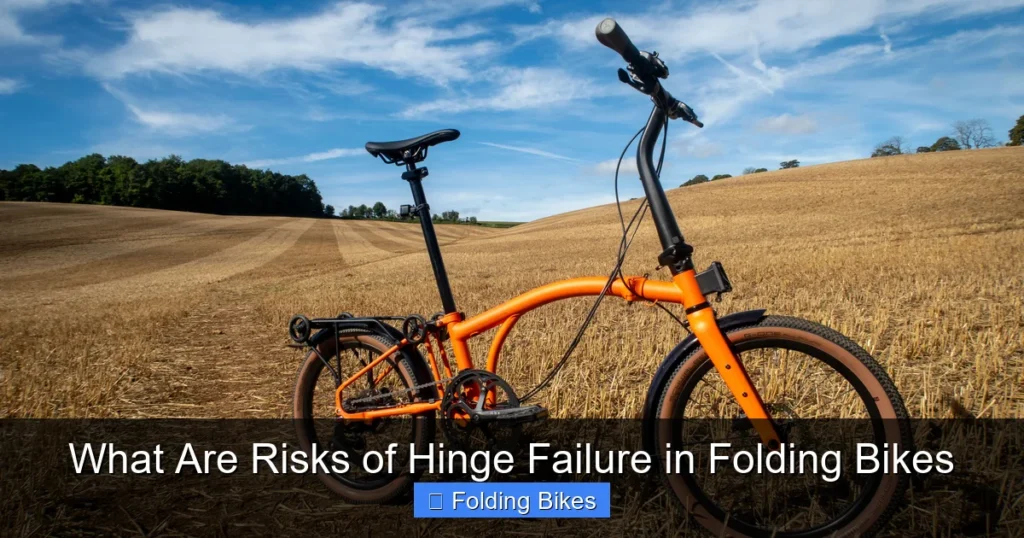
Hinge failure in folding bikes can lead to serious accidents, but it’s preventable with proper care. This guide explains the common causes, warning signs, and step-by-step maintenance tips to keep your folding bike safe and reliable on every ride.
Key Takeaways
- Hinge failure can cause sudden frame collapse: A broken or worn hinge may lead to loss of control, especially during high-speed or off-road riding.
- Regular inspection is critical: Check hinges monthly for cracks, looseness, or rust to catch problems early.
- Lubrication prevents wear: Apply bike-safe grease to hinge pins and joints every 3–6 months to reduce friction and corrosion.
- Overloading increases stress: Exceeding weight limits puts extra pressure on hinges, accelerating wear and potential failure.
- Use only manufacturer-approved parts: Aftermarket or DIY modifications can compromise hinge integrity and void warranties.
- Store your bike properly: Keep it dry and avoid extreme temperatures to prevent metal fatigue and rust.
- Know when to replace: If a hinge shows visible damage or feels unstable, stop riding and consult a professional immediately.
What Are the Risks of Hinge Failure in Folding Bikes?
Folding bikes are a fantastic solution for commuters, travelers, and space-conscious riders. Their compact design makes them easy to store and transport, but that convenience comes with a unique vulnerability: the hinge. Unlike traditional bikes, folding bikes rely on one or more hinges to allow the frame to fold. While these hinges are engineered for strength, they’re also potential weak points. Understanding the risks of hinge failure is essential for safe riding.
In this guide, you’ll learn what hinge failure is, why it happens, how to spot the warning signs, and—most importantly—how to prevent it. Whether you ride a folding bike daily or just on weekends, this information could save you from injury or costly repairs.
Why Hinge Failure Is a Serious Concern
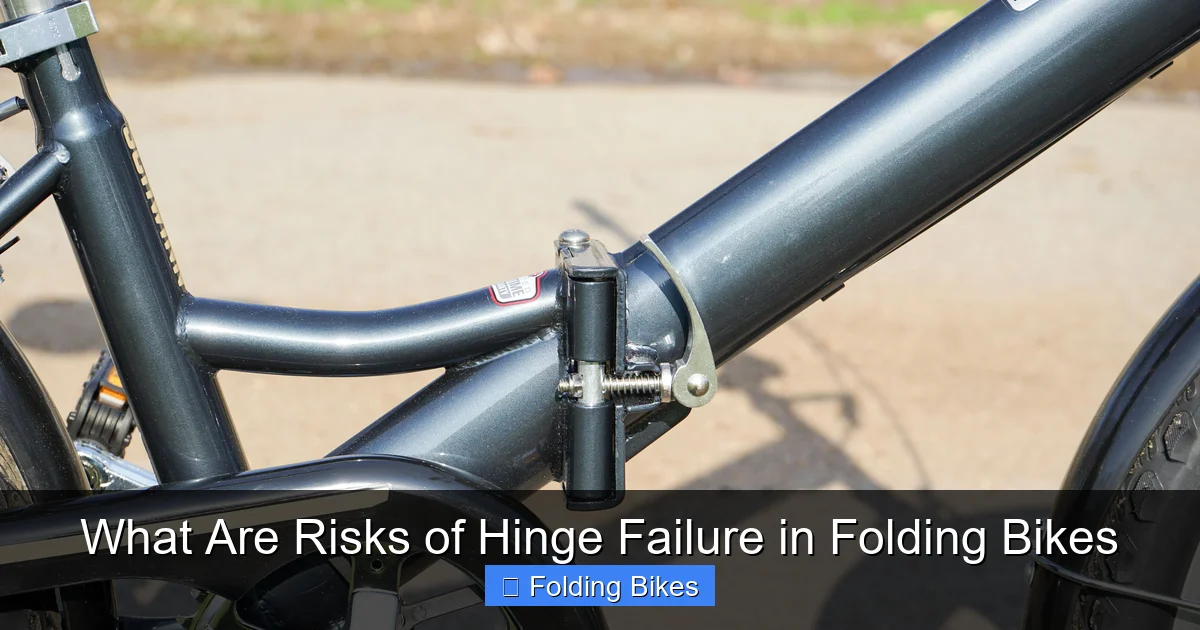
Visual guide about What Are Risks of Hinge Failure in Folding Bikes
Image source: bikefolded.com
The hinge is the backbone of a folding bike’s functionality. It connects the main frame sections and must support the rider’s weight, handle road vibrations, and endure repeated folding and unfolding. When a hinge fails, the consequences can be dramatic—and dangerous.
Imagine riding down a hill or navigating city traffic when the hinge suddenly gives way. The frame could collapse, causing you to lose balance, crash, or worse. Even a partial failure—like a loose hinge—can lead to wobbling, steering issues, or unexpected folding while riding.
Hinge failure isn’t just a mechanical issue; it’s a safety hazard. That’s why knowing how to maintain and inspect your hinges is just as important as checking your brakes or tires.
Common Causes of Hinge Failure
Several factors can contribute to hinge failure. Most are preventable with proper care, but some result from design flaws or misuse.
Poor Maintenance
Neglecting regular upkeep is the leading cause of hinge problems. Dirt, moisture, and lack of lubrication cause hinges to rust and wear out faster. Over time, this leads to stiffness, looseness, or complete breakage.
Overloading the Bike
Every folding bike has a weight limit—usually between 220 and 300 pounds, depending on the model. Carrying heavy cargo, using rear racks beyond capacity, or riding with a passenger can overload the frame and stress the hinges. This is especially risky on bumpy terrain or during sudden stops.
Frequent Folding and Unfolding
While folding bikes are designed for repeated use, excessive folding—especially if done roughly—can wear down the hinge mechanism. Slamming the bike shut or forcing it open can damage internal components.
Corrosion and Rust
Exposure to rain, snow, or salt (common in coastal areas or winter roads) can cause metal hinges to corrode. Rust weakens the structure and can cause hinges to seize or snap under pressure.
Manufacturing Defects
Though rare, some hinges may have design flaws or weak materials. If your bike is new and the hinge feels loose or makes unusual noises, contact the manufacturer immediately.
Improper Storage
Storing your folding bike in a damp garage, basement, or outdoor shed can accelerate rust and metal fatigue. Extreme heat or cold can also affect the integrity of the hinge over time.
Warning Signs of Hinge Problems
Catching hinge issues early can prevent accidents. Here’s what to look for during routine checks:
- Unusual noises: Creaking, grinding, or clicking sounds when folding or riding may indicate loose parts or lack of lubrication.
- Loose or wobbly hinge: If the frame feels unstable or shifts when you apply pressure, the hinge may be worn.
- Visible cracks or rust: Inspect the hinge area for hairline fractures, flaking metal, or orange discoloration.
- Difficulty folding: If the bike doesn’t fold smoothly or gets stuck, the hinge may be damaged or corroded.
- Misalignment: After folding and unfolding, check that the frame lines up correctly. Misalignment suggests hinge wear.
If you notice any of these signs, stop riding and inspect the hinge thoroughly.
Step-by-Step: How to Inspect and Maintain Your Hinge
Regular maintenance is your best defense against hinge failure. Follow these steps every 1–3 months, or more often if you ride in harsh conditions.
Step 1: Clean the Hinge Area
Use a soft brush and mild soap to remove dirt, grime, and debris from the hinge. Pay special attention to crevices where moisture can collect. Dry thoroughly with a clean cloth.
Step 2: Check for Damage
Visually inspect the hinge for cracks, rust, or bent components. Run your fingers along the edges to feel for rough spots or loose parts. If you find rust, use fine-grit sandpaper to gently remove it, then apply a rust inhibitor.
Step 3: Test the Hinge Movement
Fold and unfold the bike several times. It should move smoothly without resistance or noise. If it feels stiff, it may need lubrication. If it’s loose, the hinge pin or clamp may need tightening.
Step 4: Lubricate the Hinge
Apply a small amount of bike-specific grease or silicone-based lubricant to the hinge pin and moving parts. Avoid WD-40, which can attract dirt. Wipe off excess to prevent buildup.
Step 5: Tighten Bolts and Clamps
Use the correct Allen key or wrench to check that all hinge bolts are secure. Over-tightening can damage threads, so follow the manufacturer’s torque recommendations.
Step 6: Test Ride
Take a short ride on a safe, flat surface. Pay attention to any wobbling, noise, or instability. If something feels off, recheck the hinge before continuing.
Troubleshooting Common Hinge Issues
Even with regular care, problems can arise. Here’s how to handle the most common ones:
Hinge Won’t Fold Smoothly
This is usually due to dirt or lack of lubrication. Clean and grease the hinge. If it still sticks, the pin may be bent—replace it with a manufacturer-approved part.
Hinge Feels Loose
Check the tightening mechanism. Many folding bikes use a cam lever or bolt system. Adjust according to the manual. If the hinge still wobbles, the internal bushings may be worn and need replacement.
Rust on the Hinge
Light rust can be removed with sandpaper and treated with a rust converter. Severe rust may require professional assessment—don’t ride if the metal appears compromised.
Hinge Makes Noise When Riding
This could be due to loose bolts or dry joints. Tighten all connections and apply lubricant. If the noise persists, have a bike mechanic inspect it.
How to Prevent Hinge Failure
Prevention is always better than repair. Follow these best practices to keep your folding bike safe:
- Follow the weight limit: Don’t exceed the manufacturer’s recommended load capacity.
- Fold gently: Avoid forcing the bike open or closed. Use both hands and follow the correct sequence.
- Store indoors: Keep your bike in a dry, temperature-controlled environment.
- Use a cover: If storing outside, use a waterproof bike cover to protect from rain and UV damage.
- Schedule professional checks: Have a qualified mechanic inspect your bike annually, especially before long trips.
For riders who frequently travel with their bikes, consider models designed for heavy use, such as those featured in our guide to the best folding mountain bikes for bikepacking.
When to Replace Your Hinge
No hinge lasts forever. If you notice deep cracks, significant rust, or repeated loosening despite maintenance, it’s time to replace the hinge. Contact the manufacturer or a certified dealer for replacement parts. Never attempt to weld or modify a damaged hinge—this can compromise safety and void warranties.
Some high-end folding bikes, like those used in rugged conditions, may benefit from upgraded hinges. For example, riders tackling rough terrain might explore options similar to those discussed in our article on best mountain bikes for ultra-marathon rides, which emphasizes durable frame construction.
Conclusion
Hinge failure in folding bikes is a real risk, but it’s one you can manage with awareness and care. By understanding the causes, recognizing warning signs, and performing regular maintenance, you can enjoy the convenience of your folding bike without compromising safety.
Remember: your hinge is more than a convenience feature—it’s a critical safety component. Treat it with respect, inspect it often, and never ignore the signs of wear. A few minutes of maintenance each month can prevent a lifetime of regret.
Whether you’re commuting to work or exploring new trails, a well-maintained folding bike is a reliable companion. For added peace of mind, consider pairing your bike with a high-quality pump, like the ones reviewed in our guide to the best folding bike pump, so you’re always ready for the road ahead.
Stay safe, ride smart, and keep folding with confidence.



