
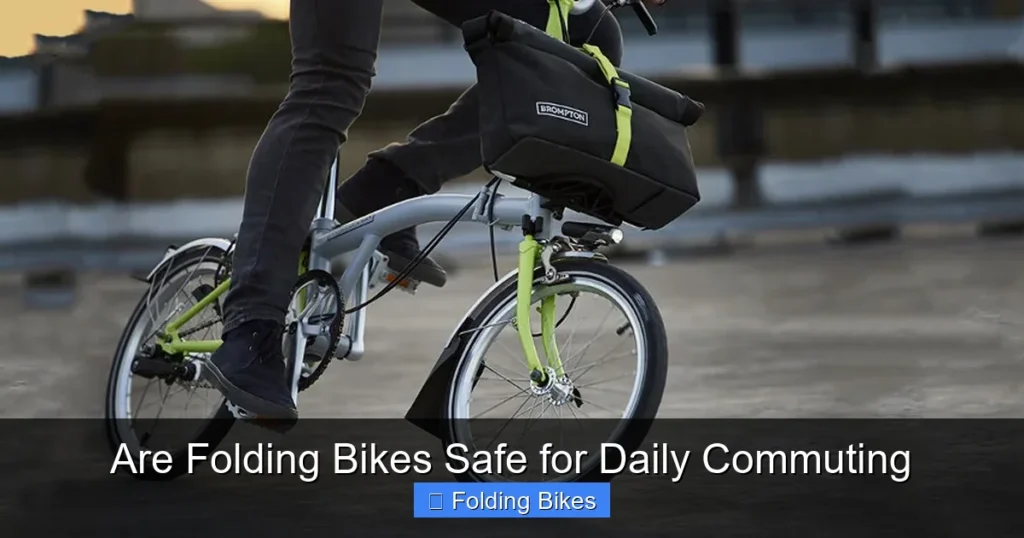
Folding bikes can be safe and practical for daily commuting when chosen wisely and maintained properly. This guide covers safety features, riding tips, and essential gear to help you ride confidently in traffic.
Key Takeaways
- Folding bikes are generally safe for commuting when they meet quality standards and are used correctly.
- Look for sturdy frames, reliable brakes, and proper wheel size—16″ to 20″ wheels offer the best balance of stability and portability.
- Regular maintenance is crucial—check hinges, bolts, and tires before each ride to prevent mechanical failures.
- Visibility and lighting matter—use front and rear lights, reflective gear, and bright clothing, especially in low-light conditions.
- Wear a helmet and follow traffic rules—safety gear and defensive riding reduce accident risks significantly.
- Choose models with good suspension and puncture-resistant tires for smoother, safer rides on city streets.
- Electric folding bikes add extra safety with better acceleration and hill-climbing power, ideal for longer commutes.
Are Folding Bikes Safe for Daily Commuting?
If you’re considering a folding bike for your daily commute, you’re not alone. More people are turning to these compact, convenient machines to beat traffic, save on transit costs, and enjoy a healthier lifestyle. But the big question remains: Are folding bikes safe for daily commuting?
The short answer is yes—folding bikes can be very safe when you choose the right model, maintain it properly, and ride responsibly. Unlike older, flimsy designs, today’s folding bikes are built with modern engineering, durable materials, and safety features that rival full-sized bikes. In this guide, we’ll walk you through everything you need to know to commute safely and confidently on a folding bike.
Why Choose a Folding Bike for Commuting?
Folding bikes offer unique advantages that make them ideal for city life. They’re lightweight, easy to carry on public transport, and can be stored in small apartments or offices. But safety is just as important as convenience.
Many commuters worry that folding bikes are less stable or durable than traditional bikes. While early models had limitations, today’s designs—especially from reputable brands—are built to handle daily urban riding. With proper care and smart choices, a folding bike can be a safe, reliable, and eco-friendly way to get to work.
Key Safety Features to Look For
Not all folding bikes are created equal. To ensure safety, focus on these essential features when shopping:
1. Strong Frame and Hinges
The frame is the backbone of your bike. Look for models made from aluminum or chromoly steel—these materials offer strength without excessive weight. Pay special attention to the folding hinges. They should lock securely and feel solid when engaged. Avoid bikes with loose or wobbly joints, as they can fail mid-ride.
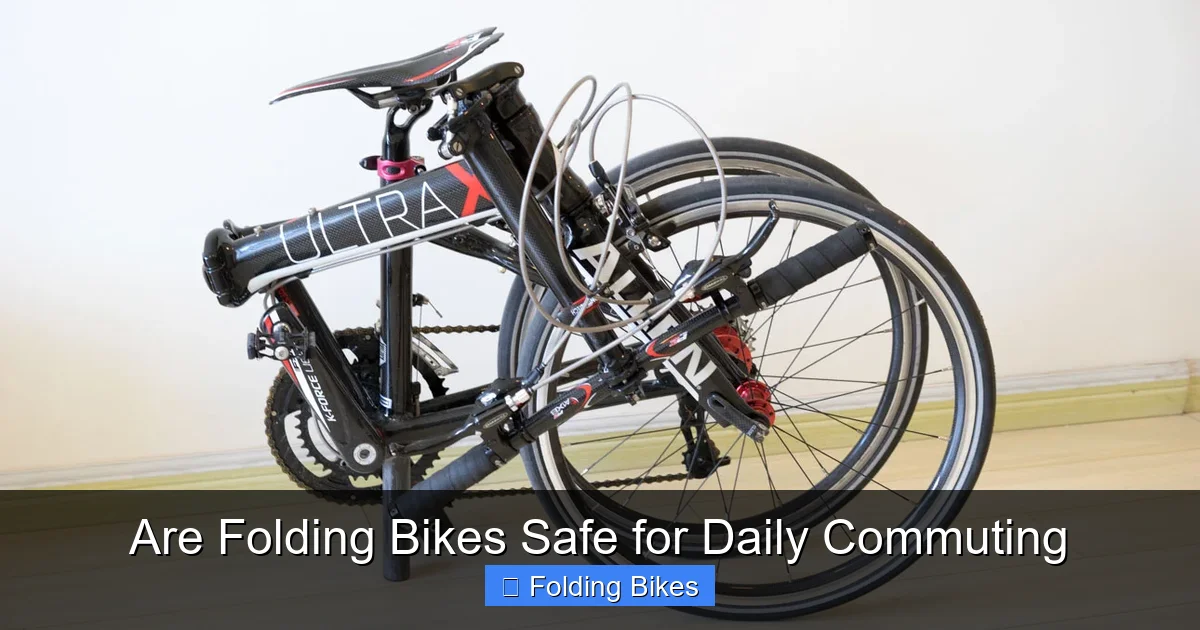
Visual guide about Are Folding Bikes Safe for Daily Commuting
Image source: bikefolded.com
2. Reliable Braking System
Brakes are critical for safety, especially in stop-and-go traffic. Most folding bikes come with either rim brakes (like V-brakes) or disc brakes. Disc brakes are superior in wet conditions and offer more stopping power. If you ride in rain or hilly areas, opt for a model with mechanical or hydraulic disc brakes.
3. Appropriate Wheel Size
Wheel size affects stability and ride quality. Most folding bikes use 16″, 18″, or 20″ wheels. Smaller wheels are more portable but can feel twitchy on rough roads. 20-inch wheels offer the best balance of stability, comfort, and portability for daily commuting.
4. Suspension (Optional but Helpful)
Some folding bikes include front or rear suspension to absorb bumps. While not essential, suspension improves comfort and control on uneven city streets. If your route includes potholes or cobblestones, consider a model with basic suspension.
5. Puncture-Resistant Tires
Flat tires can leave you stranded. Choose bikes with commuter-friendly tires that resist punctures and offer good grip. Wider tires (like 1.75″ or 2.0″) provide better cushioning and stability than narrow ones.
Essential Safety Gear for Folding Bike Commuters
Even the best bike won’t keep you safe without the right gear. Here’s what every folding bike commuter should wear and carry:
Helmet
Always wear a properly fitted helmet. It’s the single most effective way to prevent serious head injuries. Look for helmets with MIPS technology for added protection.
Lights and Reflectors
Visibility is key. Install a bright front light (at least 200 lumens) and a red rear light. Use flashing modes during the day and steady beams at night. Add reflective tape to your bike and wear reflective clothing or a vest.
Bell or Horn
A loud bell helps alert pedestrians and other cyclists. Some folding bikes come with built-in bells, but you can easily add one if needed.
Lock
Invest in a high-quality lock to secure your bike. A U-lock is more secure than a cable lock. Fold your bike and lock it to a fixed object when parked.
How to Ride Safely in Traffic
Riding a folding bike in the city requires awareness and smart habits. Follow these tips to stay safe:
Stay Visible
Ride in the center of the lane when necessary to avoid car doors and potholes. Make eye contact with drivers at intersections. Use hand signals to indicate turns.
Follow Traffic Laws
Obey traffic signals, stop signs, and lane markings. Ride in the same direction as traffic—never against it. Use bike lanes when available, but stay alert for opening car doors.
Be Predictable
Don’t swerve or make sudden moves. Signal your intentions early and maintain a steady speed. Anticipate the actions of drivers, pedestrians, and other cyclists.
Avoid Distractions
Don’t use your phone while riding. If you need to check directions, pull over safely. Keep your focus on the road and your surroundings.
Maintenance Tips to Keep Your Folding Bike Safe
A well-maintained bike is a safe bike. Folding mechanisms add complexity, so regular checks are essential.
Daily Checks
- Inspect the folding hinges and latches—ensure they’re tight and secure.
- Check tire pressure—underinflated tires increase rolling resistance and risk of flats.
- Test the brakes—squeeze them to confirm they engage smoothly.
- Look for loose bolts, especially around the handlebars and seat post.
Weekly Maintenance
- Lubricate the chain with bike-specific oil.
- Wipe down the frame to remove dirt and grime.
- Check the alignment of the wheels and folding joints.
Monthly Deep Clean
Give your bike a thorough cleaning. Use a mild soap and water to clean the frame, wheels, and drivetrain. Dry it completely to prevent rust. Consider taking it to a professional mechanic once a year for a full tune-up.
Troubleshooting Common Safety Issues
Even with care, problems can arise. Here’s how to handle common issues:
Loose Hinges or Latches
If your bike feels wobbly when unfolded, check the hinge bolts. Tighten them with the appropriate tool. If the latch doesn’t lock securely, it may need adjustment or replacement.
Brake Squeaking or Poor Performance
Squeaky brakes are often caused by dirt or moisture. Clean the rims or rotors with rubbing alcohol. If braking power is weak, the pads may be worn—replace them promptly.
Flat Tires
Carry a portable pump and patch kit. Learn how to change a tube—it takes practice but saves time and money. For frequent flats, consider upgrading to puncture-resistant tires.
Chain Slipping
This usually means the chain is worn or the derailleur is misaligned. A worn chain should be replaced to avoid damage to the cassette. Visit a bike shop if you’re unsure.
Electric Folding Bikes: A Safer Option?
Electric folding bikes (e-folders) are growing in popularity—and for good reason. The motor provides extra power, making it easier to start from stops, climb hills, and keep up with traffic. This can actually improve safety by reducing the time you spend in intersections and helping you maintain a steady speed.
If you’re considering an e-bike, look for models with strong brakes and a reliable motor. Many commuters find that electric folding bikes reduce fatigue and increase confidence, especially on longer routes.
For more details, check out our guide to the best electric bikes for commuting.
Conclusion
So, are folding bikes safe for daily commuting? Absolutely—when you choose a quality model, wear the right gear, and maintain it properly. Modern folding bikes are engineered for safety, durability, and performance. They’re perfect for urban riders who value convenience without compromising on security.
By focusing on key features like strong hinges, reliable brakes, and good tires, you can enjoy a smooth, safe ride every day. Add in proper lighting, a helmet, and defensive riding habits, and you’ll be well-prepared for anything the city throws your way.
Whether you’re navigating busy streets or hopping on the subway, a folding bike can be a smart, sustainable, and safe choice for your daily commute.



