
Folding bikes offer convenience and portability, but many new riders face difficulties adjusting to their unique design and handling. This guide explains the common struggles—from folding mechanics to ride stability—and offers practical solutions to help beginners ride with confidence.
Key Takeaways
- Unfamiliar folding mechanisms confuse beginners: New riders often struggle with locking levers, hinges, and proper folding sequences, leading to frustration or unsafe setups.
- Smaller wheels affect stability and ride feel: The compact wheels on folding bikes can feel twitchy or less stable, especially at higher speeds or on uneven terrain.
- Adjustment periods are normal: Handling, braking, and gear shifting differ from standard bikes, requiring time and practice to adapt.
- Proper setup is critical for safety and performance: Incorrect seat height, handlebar position, or tire pressure can worsen the learning curve.
- Accessories and tools ease the transition: Using a best folding bike pump, carrying a compact tool set, and practicing folding routines build confidence.
- Practice in safe environments builds skill: Starting in low-traffic areas helps new riders master control without pressure.
- Choosing the right model matters: Not all folding bikes are equal—selecting one suited to your needs improves the experience significantly.
Why Do New Riders Struggle with Folding Bikes?
Folding bikes are a fantastic solution for urban commuters, travelers, and anyone with limited storage space. They’re compact, lightweight, and designed for easy transport. But despite their advantages, many new riders find themselves frustrated when first using one. So, why do new riders struggle with folding bikes?
The answer lies in a combination of mechanical unfamiliarity, unique handling characteristics, and the learning curve associated with compact designs. Unlike traditional bikes, folding bikes come with hinges, locking mechanisms, and smaller components that require understanding and practice. This guide will walk you through the most common challenges new riders face—and how to overcome them step by step.
Understanding the Unique Design of Folding Bikes
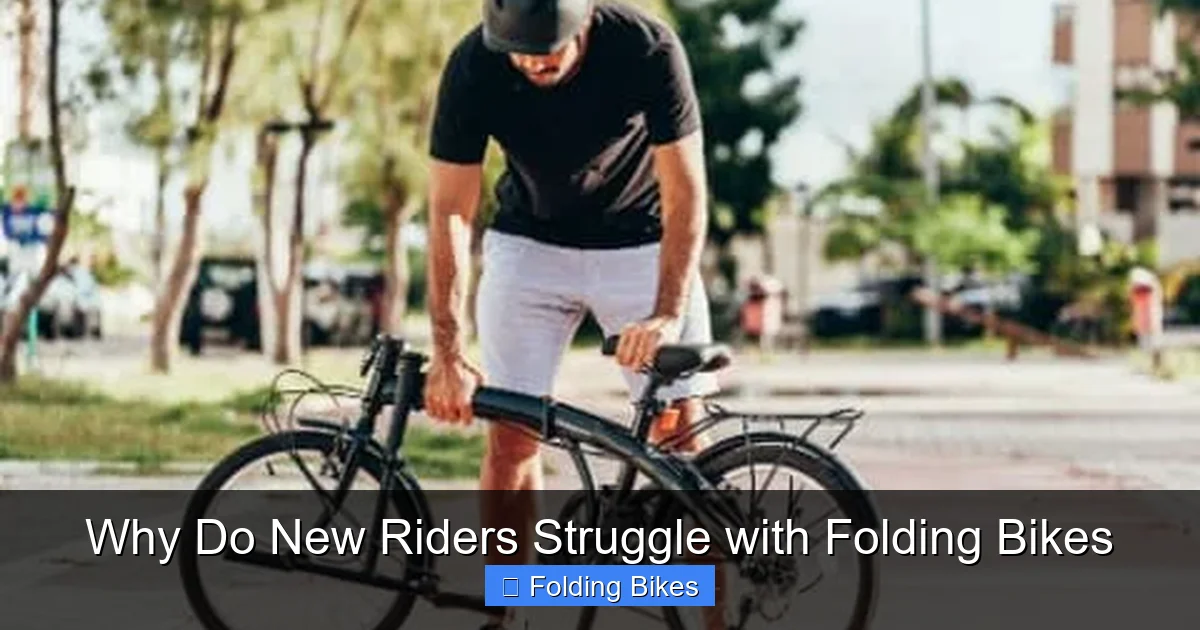
Visual guide about Why Do New Riders Struggle with Folding Bikes
Image source: foldingbikeguy.com
Before diving into solutions, it’s important to understand what makes folding bikes different. These bikes are engineered for portability, which means compromises in frame geometry, wheel size, and component layout.
Compact Frame and Hinge Mechanisms
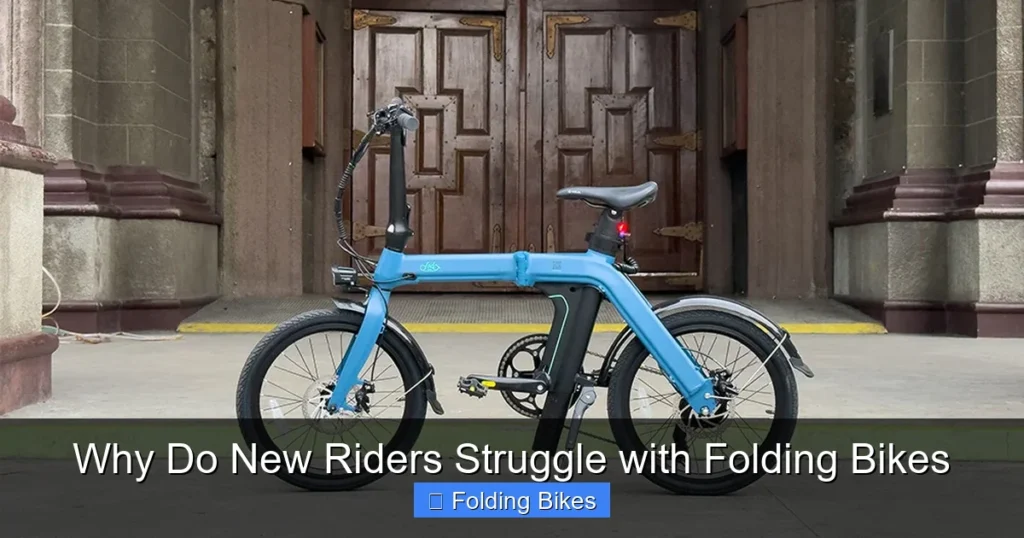
Most folding bikes feature a main hinge near the middle of the frame, allowing the bike to fold in half. Additional hinges may exist in the handlebars, pedals, and even the seat post. While this design enables easy storage and transport, it also introduces complexity.
New riders often struggle because:
– They don’t know how to safely fold or unfold the bike.
– They accidentally ride with a partially locked hinge.
– They damage components by forcing parts into place.
Tip: Always read the manufacturer’s manual. Each model has a specific folding sequence. Practice folding and unfolding your bike at home before heading out.
Smaller Wheels and Altered Geometry
Folding bikes typically use 16″ to 20″ wheels, much smaller than the 26″ or 700c wheels on standard bikes. This affects ride quality in several ways:
– Reduced momentum means more effort is needed to maintain speed.
– Smaller wheels are more sensitive to bumps and cracks in the road.
– The bike may feel less stable, especially during turns or sudden stops.
Example: A rider used to a mountain bike might find a folding bike feels “twitchy” or nervous at first. This is normal and improves with practice.
Common Struggles New Riders Face
Let’s break down the top challenges beginners encounter and how to address them.
1. Difficulty with Folding and Unfolding
This is the most frequent issue. New riders often:
– Forget to engage locking levers.
– Struggle to align hinges properly.
– Feel rushed or embarrassed in public.
Solution: Practice makes perfect. Set aside 10 minutes a day to fold and unfold your bike. Focus on smooth, deliberate movements. Over time, it becomes second nature.
2. Unstable or “Nervous” Handling
Due to shorter wheelbases and smaller wheels, folding bikes can feel less stable. This is especially true at higher speeds or when carrying weight.
Tip: Start by riding in quiet parks or empty parking lots. Gradually build confidence before navigating busy streets. Consider a rear basket or rack to distribute weight evenly and improve balance.
3. Braking and Gear Shifting Differences
Many folding bikes use different brake types (like V-brakes or disc brakes) and compact drivetrains. Shifting may feel less responsive, and brakes might require more hand strength.
Action Step: Adjust your brake levers for comfort. Ensure cables are properly tensioned. If shifting feels rough, have a mechanic check the derailleur alignment.
4. Incorrect Bike Fit
Because folding bikes have adjustable components, it’s easy to end up with a poor fit. A seat too low or handlebars too high can cause discomfort and reduce control.
How to Fix: Adjust the seat post to a height where your leg is almost fully extended at the bottom of the pedal stroke. Handlebars should be at a comfortable reach—not too stretched or cramped.
5. Tire Pressure and Maintenance Confusion
Underinflated tires make folding bikes harder to ride and more prone to flats. Many new riders don’t realize that smaller wheels often require higher PSI.
Pro Tip: Use a pump with a pressure relief valve to avoid overinflation. Check tire pressure weekly—ideal range is usually 65–85 PSI, but check your sidewall for specifics.
Step-by-Step: How to Overcome the Learning Curve
Now that we’ve identified the problems, here’s a practical plan to help new riders adapt quickly.
Step 1: Master the Fold (and Unfold)
– Start with the bike on a flat, stable surface.
– Release the main hinge lever slowly.
– Fold the frame in half, ensuring the wheels align.
– Secure all locking mechanisms.
– Practice unfolding and checking that all parts are fully locked before riding.
Safety Note: Never ride if any hinge feels loose. A partially folded bike can collapse mid-ride.
Step 2: Practice in a Safe Zone
Find a quiet, flat area like a schoolyard or park. Spend 15–20 minutes riding slowly, practicing:
– Starting and stopping
– Turning in wide circles
– Braking gently
This builds muscle memory and confidence.
Step 3: Adjust Your Bike for Comfort
Use an Allen key to fine-tune:
– Seat height and angle
– Handlebar height and reach
– Pedal alignment
A well-fitted bike is easier to control and more enjoyable to ride.
Step 4: Learn the Gears and Brakes
Shift through all gears while stationary. Listen for skipping or grinding. Test brakes at low speed—front brakes are powerful; use them gently to avoid flipping.
Step 5: Carry Essential Tools
Always have:
– A mini pump (like the best folding bike pump)
– A multi-tool
– A spare tube or sealant
These let you fix minor issues on the go and reduce anxiety.
Troubleshooting Common Issues
Even with practice, problems can arise. Here’s how to handle them.
Bike Won’t Fold Smoothly
– Check for dirt or rust in hinges.
– Lubricate moving parts with bike-specific grease.
– Ensure no cables are pinched.
Feels Wobbly at Speed
– Inflate tires to recommended pressure.
– Check that wheels are securely fastened.
– Avoid overloading one side of the bike.
Brakes Squeak or Feel Weak
– Clean brake pads and rims with rubbing alcohol.
– Adjust pad alignment so they contact the rim evenly.
– Replace worn pads if necessary.
Chain Skips or Drops
– Ensure the chain is properly lubricated.
– Check derailleur alignment.
– Consider upgrading to a higher-quality chain if issues persist.
Choosing the Right Folding Bike Matters
Not all folding bikes are created equal. Beginners should look for models with:
– Reliable hinge locks (double or triple locking systems)
– Adjustable components for a better fit
– Quality brakes and drivetrain
– Good customer reviews and warranty
Avoid ultra-cheap models—they often sacrifice safety and durability. Investing in a reputable brand pays off in the long run.
For those interested in off-road capability, consider a folding mountain bike for bikepacking, which offers better suspension and traction.
Final Tips for New Riders
– Be patient: It takes time to adjust. Don’t expect perfection on day one.
– Wear protective gear: A helmet is essential, especially when learning.
– Join a community: Online forums and local cycling groups offer support and advice.
– Keep it maintained: Regular cleaning and checks prevent bigger issues.
Conclusion
New riders struggle with folding bikes not because the bikes are flawed, but because they’re different. The compact design, unique mechanics, and altered handling require a learning period. But with practice, proper setup, and the right mindset, these challenges become minor hurdles.
By mastering the fold, adjusting your bike for comfort, and practicing in safe environments, you’ll quickly gain confidence. Remember, every expert was once a beginner. With time, your folding bike will feel like a natural extension of yourself—ready for commutes, adventures, and everything in between.



