

Folding bikes face unique lubrication challenges due to their compact design, frequent folding, and exposure to the elements. Proper lubrication is essential to prevent wear, noise, and performance issues. This guide walks you through common problems and practical solutions.
Key Takeaways
- Chain wear accelerates faster on folding bikes due to tighter bends and frequent folding, requiring more frequent lubrication.
- Pivot points and hinges need special attention—these areas collect dirt and moisture, leading to stiffness and corrosion if not maintained.
- Use the right lube for your conditions—wet lubes for rain, dry lubes for dust and dry weather to avoid buildup.
- Over-lubrication causes grime buildup, attracting dirt that wears down components faster than dryness.
- Regular cleaning is essential—dirt and salt from roads quickly degrade lubricants and damage moving parts.
- Check folding mechanisms monthly—ensure latches, hinges, and joints move smoothly and are free of rust.
- Store your bike properly—keeping it dry and covered helps preserve lubrication and extends component life.
What Lubrication Issues Occur in Folding Bikes
Folding bikes are perfect for commuters, travelers, and city dwellers who value portability and convenience. But their compact design and frequent folding introduce unique lubrication challenges that standard bikes don’t face. If you own a folding bike, you’ve likely noticed squeaky hinges, stiff chains, or jerky gear shifts—signs that lubrication isn’t doing its job.
In this guide, you’ll learn about the most common lubrication issues in folding bikes, why they happen, and how to fix them step by step. Whether you’re a daily rider or use your folding bike for weekend adventures, proper lubrication keeps your ride smooth, quiet, and reliable. We’ll cover everything from chain care to hinge maintenance, with practical tips and troubleshooting advice.
Why Folding Bikes Need Special Lubrication Care
Folding bikes have more moving parts in tighter spaces. Every time you fold or unfold your bike, hinges, latches, and joints move. These areas are prone to wear and corrosion, especially if exposed to rain, dust, or salt. Plus, the chain on a folding bike often bends more sharply around smaller gears, increasing friction and wear.
Because of this, lubrication isn’t just about the chain—it’s about every pivot point that allows your bike to fold. Neglecting these areas leads to stiffness, noise, and even safety risks if latches fail to lock properly.
Common Lubrication Problems and How to Fix Them
1. Squeaky or Stiff Folding Hinges
One of the most frequent complaints from folding bike owners is squeaking or stiffness in the hinges. This happens when dirt, moisture, or rust builds up in the folding joints.
To fix this:
- Wipe down the hinge area with a clean cloth to remove surface dirt.
- Use a small brush (like an old toothbrush) to clean out debris from tight spaces.
- Apply a drop of lightweight lubricant (such as silicone or bike-specific hinge lube) to each pivot point.
- Fold and unfold the bike several times to work the lube in.
Tip: Avoid using heavy greases—they attract dirt and gum up over time. A light oil or spray lube works best for hinges.
2. Chain Wear and Noise
Folding bike chains endure more stress due to tighter bends and frequent use in urban environments. A dry or dirty chain causes noise, poor shifting, and accelerated wear.
To maintain your chain:
- Clean the chain regularly with a degreaser and chain cleaning tool.
- Rinse and dry thoroughly before applying lube.
- Use a chain-specific lubricant—choose wet lube for rainy climates and dry lube for dry, dusty conditions.
- Apply lube to each roller while slowly pedaling backward.
- Wipe off excess lube with a rag to prevent grime buildup.
For a detailed guide on chain care, check out our Road Bike Chain Lubrication Guide, which applies equally well to folding bikes.
3. Sticky or Loose Latches
The latches that secure your bike in the folded or unfolded position can become stiff or fail to lock if not lubricated. This is a safety issue—never ignore a loose latch.
To maintain latches:
- Inspect the latch mechanism monthly for wear or damage.
- Clean the contact points with a damp cloth and mild soap.
- Apply a small amount of lubricant to the moving parts of the latch.
- Test the latch to ensure it clicks securely into place.
If the latch feels loose even after lubrication, it may need adjustment or replacement. Consult your bike’s manual or a professional mechanic.
4. Corrosion on Exposed Metal Parts
Folding bikes are often stored in damp places—under desks, in closets, or on balconies. This exposure leads to rust on bolts, hinges, and frame joints.
Prevent corrosion by:
- Storing your bike in a dry, covered area.
- Wiping down metal parts after riding in rain or snow.
- Applying a light coat of anti-corrosion spray or wax to exposed joints.
- Using stainless steel bolts if replacements are needed—they resist rust better.
For extra protection, especially in wet climates, consider our Weatherproofing Tips for Mountain Bikes—many of these apply to folding bikes too.
5. Gear and Derailleur Issues
Folding bikes often have smaller derailleurs and tighter gear systems. Poor lubrication here leads to sluggish shifting or chain skipping.
To keep gears running smoothly:
- Lubricate the derailleur pivot points with a drop of light oil.
- Check the jockey wheels (the small wheels on the derailleur) for dirt and wear.
- Clean and lube the shift cables if shifting feels stiff.
Avoid spraying lube directly onto the derailleur—use a precision applicator to target only the moving parts.
Choosing the Right Lubricant
Not all lubes are created equal. Using the wrong type can do more harm than good.
- Dry lube: Best for dry, dusty conditions. It doesn’t attract dirt but washes off in rain.
- Wet lube: Ideal for wet or muddy environments. It sticks to the chain but can collect grime if overused.
- Wax-based lube: Great for clean, dry riding. It repels dirt but requires frequent reapplication.
- Silicone spray: Perfect for hinges, latches, and non-chain parts. It’s water-resistant and doesn’t gum up.
Always read the label and choose a lube designed for bicycles. Avoid WD-40—it’s a cleaner, not a long-term lubricant.
How Often Should You Lubricate?
There’s no one-size-fits-all answer, but here’s a good rule of thumb:
- Chain: Every 100–200 miles or after riding in wet/dirty conditions.
- Hinges and latches: Every 1–2 months, or whenever you notice stiffness.
- Derailleur and cables: Every 3–6 months, depending on use.
If you ride daily in the city, check your chain weekly. For occasional riders, a monthly inspection is usually enough.
Troubleshooting Common Lubrication Problems
Problem: Chain still squeaks after lubing
This usually means the chain is dirty. Lube won’t work well on a grimy chain. Clean it thoroughly with degreaser, rinse, dry, then re-lube.
Visual guide about What Lubrication Issues Occur in Folding Bikes
Image source: dropsana.com
Problem: Latch won’t stay closed
Check for dirt or rust in the latch mechanism. Clean and lube it. If it still doesn’t hold, the latch may be worn and need replacement.
Problem: Bike feels sluggish after folding
Hinges may be stiff. Apply lube to all pivot points and work them back and forth. Also check tire pressure—low pressure can mimic stiffness.
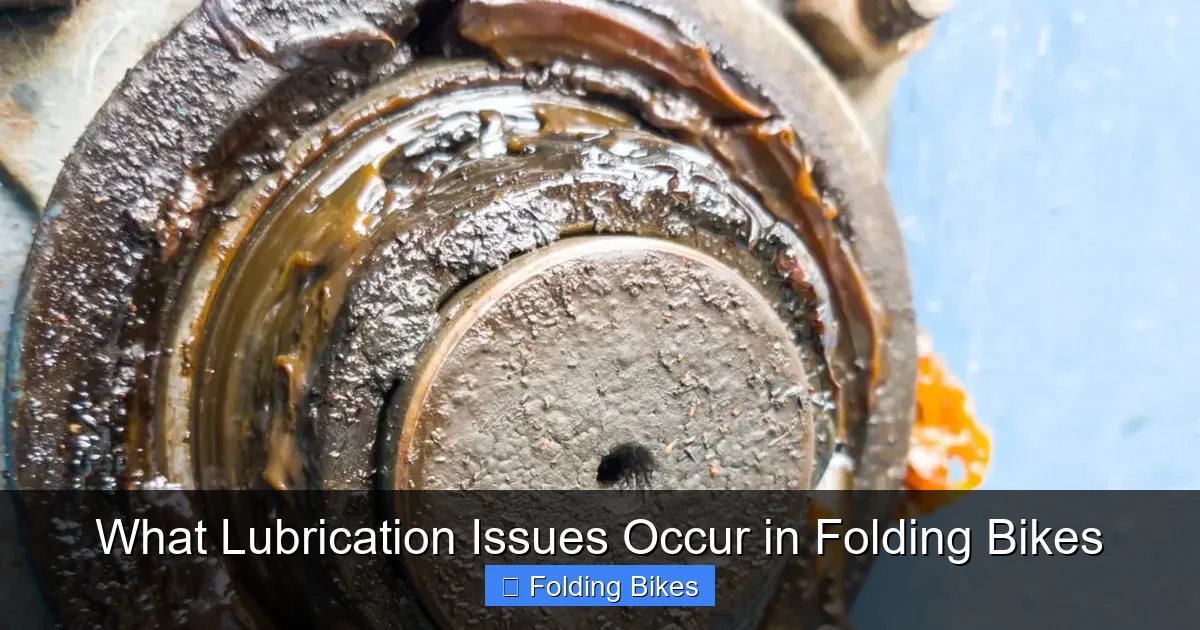
Problem: Lube attracts dirt and turns black
You’re likely using too much or the wrong type. Switch to a dry or wax lube and wipe off excess after application.
Maintenance Schedule for Folding Bikes
Keep your folding bike in top shape with this simple schedule:
- Weekly: Wipe down frame, check tire pressure, inspect chain for dirt.
- Monthly: Clean and lube chain, check hinges and latches, test folding mechanism.
- Every 3 months: Deep clean drivetrain, inspect cables and brakes, check for rust.
- Annually: Take your bike to a professional for a full tune-up.
For riders in harsh climates, increase frequency. If you’re planning a long trip, check out our Best Folding Mountain Bikes for Bikepacking for models built to handle rough conditions.
Conclusion
Lubrication is the unsung hero of folding bike maintenance. Without it, your bike becomes noisy, stiff, and unreliable. But with regular care, you can prevent most common issues and extend the life of your bike.
Remember: clean before you lube, use the right product for the job, and don’t forget the hinges and latches. A well-lubricated folding bike folds smoothly, rides quietly, and lasts for years.
By following this guide, you’ll keep your compact companion in peak condition—ready for every commute, trip, or adventure.



