
Folding bikes are convenient and portable, but their unique design leads to specific maintenance challenges. This guide covers the most common issues—like hinge wear, brake alignment, and tire pressure—and how to prevent or fix them. Regular care ensures your folding bike stays reliable and ready for any commute or adventure.
Folding bikes are a fantastic solution for urban commuters, travelers, and anyone with limited storage space. Their compact design allows them to fold down quickly, fitting under desks, in car trunks, or on public transit. But this convenience comes with a trade-off: folding bikes face unique maintenance challenges that standard bikes don’t.
Because of their complex hinges, small wheels, and frequent folding action, these bikes require more attentive care. Ignoring maintenance can lead to safety risks, reduced performance, and costly repairs. The good news? Most issues are preventable with regular checks and simple fixes.
In this guide, we’ll walk you through the most common maintenance problems with folding bikes, how to spot them early, and step-by-step solutions to keep your ride smooth and safe. Whether you’re a daily commuter or a weekend explorer, this guide will help you get the most out of your folding bike.
Key Takeaways
- Hinge and folding mechanism wear: Frequent folding stresses joints and latches, leading to looseness or failure if not lubricated and tightened regularly.
- Brake misalignment and reduced performance: Small wheels and compact frames make brakes more sensitive to misalignment, requiring frequent checks and adjustments.
- Tire and tube issues: Smaller tires lose pressure faster and are more prone to punctures; using quality low-maintenance bike tires helps.
- Chain and drivetrain wear: Tight spaces and frequent folding can accelerate chain stretch and derailleur misalignment.
- Corrosion from weather exposure: Folding bikes are often stored outdoors or in damp places; regular cleaning and lubrication prevent rust.
- Seatpost and handlebar slippage: Adjustable parts may loosen over time; always check clamps before riding.
- Difficulty accessing tools for repairs: Compact design limits space; carrying a folding bike pump and multi-tool is essential.
Hinge and Folding Mechanism Wear
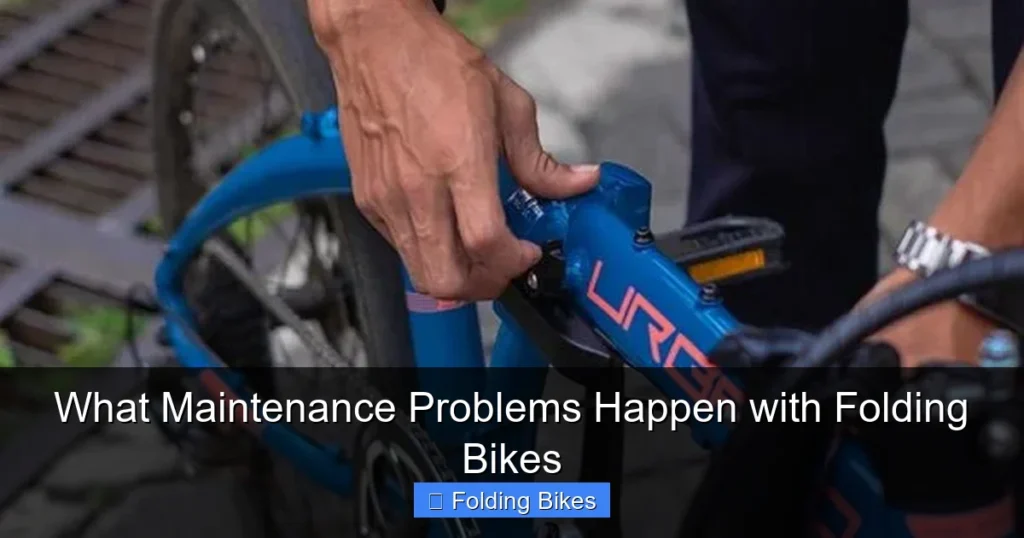
The heart of any folding bike is its hinge system. Every time you fold or unfold your bike, stress is placed on the joints, latches, and locking mechanisms. Over time, this can lead to wear, looseness, or even failure.
Signs of Hinge Problems
Look for squeaking, wobbling when riding, or difficulty locking the frame in place. If the bike feels unstable or the hinge doesn’t snap shut firmly, it’s time for maintenance.
How to Maintain Hinges
Clean the hinge area with a dry cloth to remove dirt and debris. Apply a small amount of lightweight lubricant (like silicone spray or bike-specific grease) to moving parts. Avoid over-lubricating—excess oil attracts grime. Check all bolts and clamps monthly; tighten any that feel loose using the correct Allen key.
Pro Tip: After riding in rain or snow, wipe down hinges to prevent corrosion. If you live in a humid area, consider applying a thin layer of anti-rust spray.
Brake Misalignment and Reduced Performance
Visual guide about What Maintenance Problems Happen with Folding Bikes
Image source: leoguarbikes.com
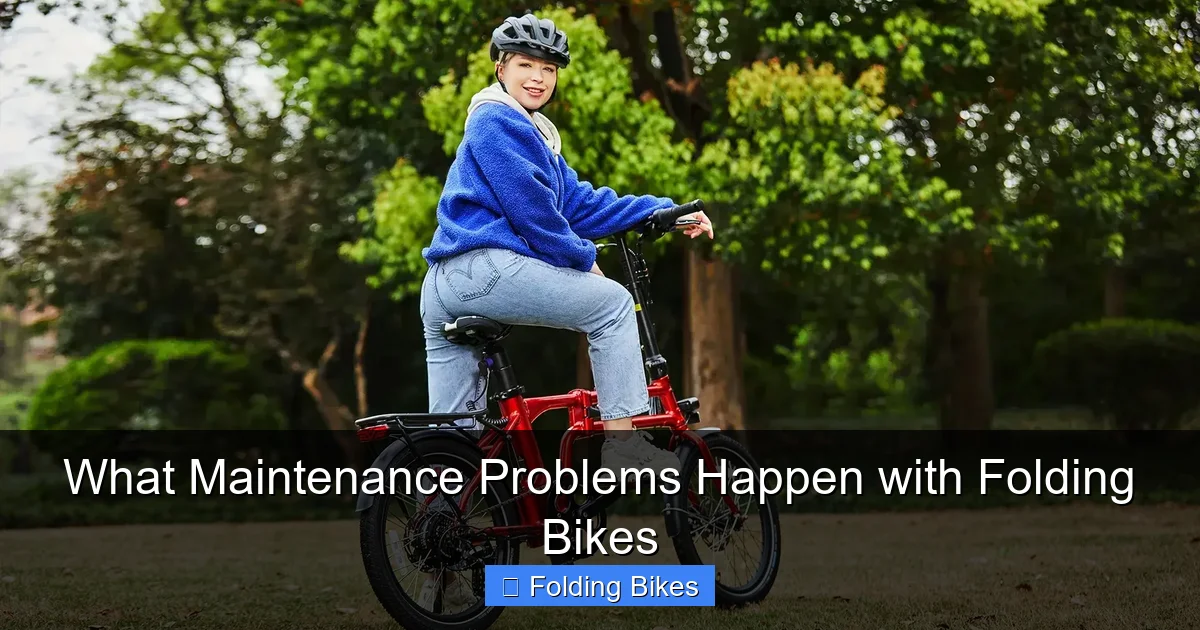
Folding bikes often use smaller wheels, which means brake pads have less surface area and less leverage. This makes them more sensitive to misalignment and wear.
Common Brake Issues
Squeaking, reduced stopping power, or one brake pad wearing faster than the other are red flags. Because folding bikes are frequently stored and moved, brake cables can shift or stretch.
How to Fix Brake Problems
Start by inspecting brake pads. If they’re worn down to the wear indicators (small grooves), replace them. Use a ruler to check alignment—pads should contact the rim evenly and not rub when the wheel spins freely.
Adjust cable tension using the barrel adjuster near the brake lever. Turn it counterclockwise to tighten, clockwise to loosen. For more precise tuning, loosen the cable anchor bolt, pull the cable taut, and retighten.
If your bike has disc brakes (common on folding mountain bikes), check rotor alignment and pad clearance. A rubbing rotor often means the caliper is misaligned—loosen the mounting bolts slightly, squeeze the brake lever, and retighten while holding it.
Tire and Tube Issues
Smaller tires on folding bikes lose air faster than standard sizes. They’re also more prone to pinch flats and punctures due to lower volume and higher pressure requirements.
Why Folding Bike Tires Need Extra Care
Many folding bikes use 16″ or 20″ wheels, which have less air cushioning. This makes them more sensitive to road debris and potholes. Additionally, frequent folding can stress tire sidewalls.
How to Prevent Tire Problems
Check tire pressure weekly using a reliable gauge. Underinflated tires increase rolling resistance and risk pinch flats. Overinflated tires reduce grip and comfort. Refer to the sidewall for recommended PSI.
Inspect tires for cuts, bulges, or embedded glass. Replace worn tires promptly. Consider upgrading to puncture-resistant models like low-maintenance bike tires designed for urban riding.
If you get a flat, carry a spare tube and a folding bike pump compatible with your valve type (Presta or Schrader). Practice changing a tube at home so you’re ready on the road.
Chain and Drivetrain Wear
The drivetrain on a folding bike works harder due to compact gearing and frequent use in stop-and-go traffic. Chains stretch faster, and derailleurs can go out of alignment.
Signs of Drivetrain Issues
Skipping gears, noisy chain operation, or difficulty shifting are common signs. A stretched chain accelerates wear on cassette and chainrings.
How to Maintain the Drivetrain
Clean the chain monthly with a degreaser and brush. Wipe it dry, then apply a light bike chain lubricant. Wipe off excess to avoid attracting dirt.
Use a chain checker tool to measure stretch. Replace the chain if it’s stretched beyond 0.75%—this prevents damage to other components. If shifting is poor, adjust the derailleur limit screws and cable tension. For internal gear hubs (common on city folding bikes), have them serviced annually by a professional.
Corrosion from Weather Exposure
Folding bikes are often stored in garages, balconies, or under desks—places where moisture can build up. Salt from winter roads or coastal air accelerates rust.
How to Prevent Rust
After riding in wet conditions, wipe down the frame, chain, and hinges. Use a rust inhibitor on metal parts, especially around welds and joints. Store your bike indoors when possible.
If you notice surface rust, sand it gently with fine steel wool, then apply touch-up paint or a rust converter. For the chain, regular lubrication is your best defense.
Seatpost and Handlebar Slippage
Adjustable seatposts and handlebars are convenient but can loosen over time, especially on bikes with quick-release levers.
How to Secure Adjustable Parts
Before every ride, check that the seatpost and handlebar clamps are tight. Use a torque wrench if your bike specifies torque values—overtightening can damage carbon parts.
Apply a small amount of carbon grip paste if you have a carbon seatpost to prevent slipping. For steel or aluminum, a light coat of grease helps prevent seizing.
Troubleshooting Common Problems
Even with regular maintenance, issues can arise. Here’s how to handle them:
- Bike won’t fold smoothly: Check for dirt in hinges or bent latch parts. Clean and lubricate. If a part is damaged, contact the manufacturer—many offer replacement hinges.
- Brakes feel spongy: Air may be in the hydraulic line (if applicable). Bleed the brakes or have a shop do it. For mechanical brakes, adjust cable tension.
- Chain keeps falling off: This is usually a derailleur or chainline issue. Check alignment and limit screws. Ensure the chain is the correct length.
- Wheels wobble: Could be loose spokes or a bent rim. True the wheel or replace damaged spokes. Always check axle nuts or quick-release skewers.
Conclusion
Folding bikes offer unmatched convenience, but their unique design demands consistent maintenance. By staying ahead of common problems—like hinge wear, brake issues, and tire care—you’ll extend your bike’s life and enjoy safer, smoother rides.
Make a habit of inspecting your bike weekly, especially before long trips. Carry essential tools like a folding bike pump and a multi-tool. And don’t hesitate to consult your user manual or visit a local bike shop for complex repairs.
With the right care, your folding bike will remain a reliable companion for years of commuting, travel, and adventure.



