
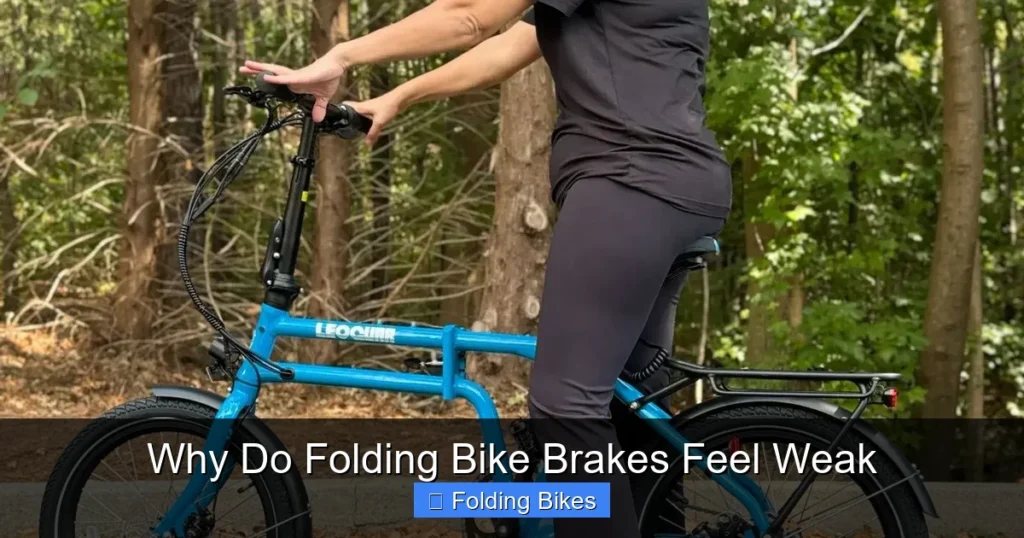
Folding bike brakes can feel weak due to design limitations, wear, or improper setup. This guide explains the common causes and shows you how to fix them with simple adjustments and maintenance tips.
Key Takeaways
- Compact design limits brake leverage: Folding bikes often use shorter brake levers and smaller calipers, reducing mechanical advantage and braking force.
- Worn or contaminated brake pads reduce grip: Dirt, oil, or worn-down pads significantly decrease stopping power, especially in wet conditions.
- Cable stretch and housing friction impair performance: Over time, brake cables stretch and housing collects dirt, leading to spongy or weak brake feel.
- Improper brake alignment causes uneven contact: Misaligned pads may only partially contact the rim, reducing effective braking.
- Low tire pressure increases stopping distance: Underinflated tires deform more under load, making it harder to stop quickly.
- Regular maintenance restores braking efficiency: Cleaning, adjusting, and replacing parts can dramatically improve brake feel and safety.
- Upgrading components enhances performance: High-quality pads, compressionless housing, and better levers can make a noticeable difference.
Why Do Folding Bike Brakes Feel Weak? A Complete How-To Guide
If you’ve ever squeezed the brakes on your folding bike and felt like they just weren’t biting like they should, you’re not alone. Many riders experience weak or spongy brake performance on compact, foldable bikes—especially after a long commute or rainy ride. The good news? Most of these issues are fixable with a little know-how and regular care.
In this guide, you’ll learn exactly why folding bike brakes often feel weak, what’s causing the problem, and step-by-step solutions to restore strong, reliable stopping power. Whether you’re a daily commuter or a weekend explorer, understanding your brakes is key to riding safely and confidently.
Understanding Folding Bike Brake Design
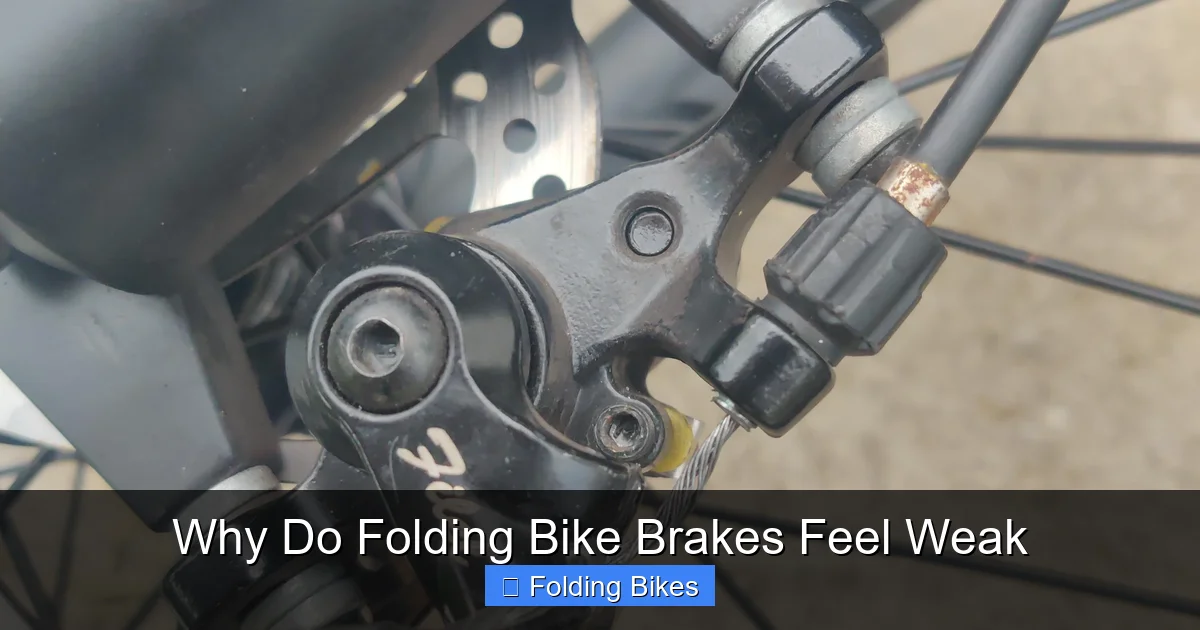
Visual guide about Why Do Folding Bike Brakes Feel Weak
Image source: i.redd.it
Folding bikes are built for portability, not performance—at least not in the same way as full-sized road or mountain bikes. Their compact frames, small wheels, and space-saving components mean compromises are made across the board—including in the braking system.
Most folding bikes use either caliper or V-brake systems, often with shorter brake arms and smaller pivot points. These designs save space but reduce mechanical advantage. That means you have to squeeze harder to get the same stopping force as on a larger bike.
Additionally, many folding bikes come with basic brake levers that lack reach adjustment or ergonomic shaping. This can make it harder to apply full pressure, especially for riders with smaller hands.
Common Brake Types on Folding Bikes
- Caliper brakes: Common on road-style folding bikes. They clamp onto the rim from above. While lightweight, they offer less leverage on small wheels.
- V-brakes (linear-pull): Found on more rugged folding models. They provide better stopping power but require more cable pull and can be harder to adjust.
- Disc brakes (rare but growing): Some newer folding bikes feature mechanical or hydraulic disc brakes. These offer superior performance but add weight and complexity.
Because of these design constraints, even well-maintained folding bike brakes may never feel as strong as those on full-sized bikes. But that doesn’t mean they can’t be safe and effective—especially with proper tuning.
Top Causes of Weak Braking on Folding Bikes
Let’s break down the most common reasons your folding bike’s brakes feel weak—and how to fix them.
1. Worn or Contaminated Brake Pads
Brake pads wear down over time. On folding bikes, which often have smaller pads, this happens faster. When pads get thin, they can’t grip the rim effectively. Even worse, if oil, grease, or dirt gets on the pads or rim, braking performance drops dramatically.
How to check: Look at the pads. If they’re less than 1mm thick or have shiny, glazed surfaces, it’s time to replace them. Also inspect the rim for oily residue or deep grooves.
Fix it: Clean the rim with isopropyl alcohol and a clean rag. If the pads are contaminated, replace them. Use high-quality replacement pads designed for your brake type—avoid cheap generic ones.
2. Cable Stretch and Housing Friction
Brake cables stretch over time, especially on bikes that are frequently folded and unfolded. This stretch means the brakes don’t engage as quickly. At the same time, dirt and moisture can build up inside the cable housing, creating friction that makes the brakes feel spongy.
How to check: Squeeze the brake lever. If it travels too far before engaging, or feels mushy, cable issues are likely.
Fix it: Adjust the barrel adjuster on the brake lever or caliper. Turn it counterclockwise to take up slack. If that doesn’t help, consider replacing the cable and housing. Use compressionless housing for better performance—it reduces flex and improves responsiveness.
For a complete guide on fine-tuning your brake cables, check out our article on how to adjust road bike brakes.
3. Misaligned Brake Pads
If your brake pads aren’t hitting the rim squarely, you lose braking power. On folding bikes with small rims, even a slight misalignment can cause one pad to rub while the other misses entirely.
How to check: Spin the wheel and squeeze the brake. Listen for rubbing or watch if one pad contacts before the other.
Fix it: Loosen the brake pad bolt, adjust the pad so it contacts the rim flat and evenly, then retighten. The pad should hit the rim squarely and not extend below or above the braking surface.
For detailed steps, see our guide on how to adjust road bike caliper brakes.
4. Low Tire Pressure
It might sound unrelated, but underinflated tires can make your bike feel sluggish and harder to stop. When tires are soft, they deform more under braking force, increasing rolling resistance and reducing control.
How to check: Use a reliable bike pump with a pressure gauge. Compare the reading to the recommended PSI on the tire sidewall.
Fix it: Inflate tires to the correct pressure. Most folding bike tires run between 65–90 PSI, but check your specific model. Proper inflation improves grip, handling, and braking.
5. Dirty or Worn Rims
The braking surface on your rims needs to be clean and smooth. Over time, brake dust, road grime, and oxidation can build up, reducing friction.
How to check: Look for black buildup or a rough, pitted surface on the rim where the pads contact.
Fix it: Clean the rims with isopropyl alcohol and a Scotch-Brite pad. Lightly sand any glazed areas. Avoid using oil-based cleaners—they can contaminate the pads.
Step-by-Step: How to Fix Weak Folding Bike Brakes
Now that you know the causes, here’s how to restore strong, confident braking.
Step 1: Inspect and Clean
Start by removing dirt and grime from the rims, pads, and brake arms. Use a clean rag and isopropyl alcohol. Check for cracks, wear, or loose parts.
Step 2: Adjust Pad Alignment
Loosen the pad bolts and position each pad so it contacts the rim flat and evenly. The front edge should touch slightly before the rear (toe-in), which reduces squeal.
Step 3: Tighten or Replace Cables
If the lever feels spongy, adjust the barrel adjuster. If that doesn’t help, replace the inner cable and housing. Use high-quality, compressionless housing for best results.
Step 4: Test and Fine-Tune
Spin the wheel and squeeze the brake. It should engage firmly within the first half of the lever travel. Make small adjustments until the feel is crisp and responsive.
Step 5: Maintain Regularly
Clean your brakes every few weeks, especially if you ride in wet or dirty conditions. Check pad thickness monthly and replace as needed.
Upgrades That Improve Braking Performance
If basic maintenance isn’t enough, consider these upgrades:
- Better brake pads: Swap stock pads for high-performance options like Kool-Stop or SwissStop. They offer better grip in wet and dry conditions.
- Ergonomic levers: Upgrade to levers with adjustable reach and better grip. This helps smaller hands apply more force comfortably.
- Compressionless housing: Reduces cable flex, giving a firmer, more responsive feel.
- Disc brake conversion (if compatible): Some folding bikes can be retrofitted with mechanical disc brakes for vastly improved stopping power.
For help choosing the right tools and parts, explore our best bike brake tool kit recommendations.
Troubleshooting Common Brake Problems
Squeaky Brakes?
Usually caused by glazed pads or misalignment. Clean the rims, toe-in the pads, and ensure they’re hitting evenly.
Brakes Feel Spongy?
Likely cable stretch or air in hydraulic systems (if applicable). Adjust or replace cables. For hydraulic brakes, bleeding may be needed.
One Brake Stronger Than the Other?
Check pad alignment and cable tension. Also inspect for rim damage or uneven wear.
Brake Lever Hits the Handlebar?
The cable is too tight or the pads are worn out. Adjust the barrel adjuster or replace the pads.
Conclusion
Weak brakes on a folding bike don’t have to be a permanent frustration. While their compact design presents challenges, most braking issues stem from simple maintenance oversights—like worn pads, dirty rims, or stretched cables. With regular care and a few smart upgrades, you can significantly improve stopping power and ride safety.
Remember: your brakes are your most important safety feature. Don’t ignore a spongy lever or long stopping distance. A few minutes of adjustment can make all the difference between a smooth stop and a close call.
By following this guide, you’ll not only understand why your folding bike brakes feel weak—you’ll know exactly how to fix them. Ride smart, stay safe, and enjoy the convenience of your foldable friend with confidence.



