
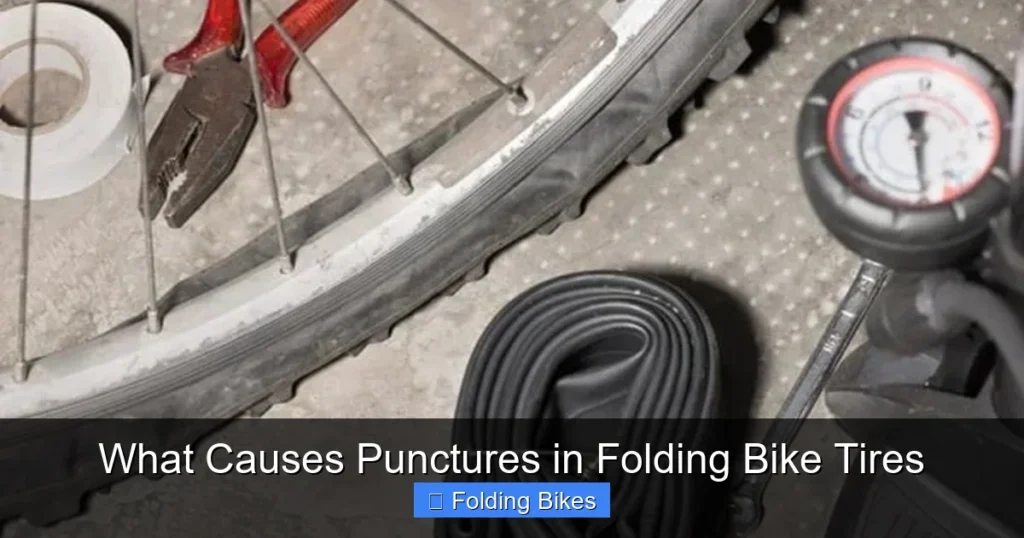
Folding bike tires are prone to punctures due to their thin design and frequent use in urban environments. This guide explains the most common causes—like sharp debris, underinflation, and worn treads—and how to avoid them.
Key Takeaways
- Underinflated tires increase puncture risk: Low pressure makes tires more vulnerable to pinch flats and sharp objects.
- Sharp debris is a major culprit: Glass, nails, thorns, and metal shards commonly pierce folding bike tires on city streets and trails.
- Thin tire construction plays a role: Folding bikes often use lightweight, low-profile tires that offer less protection than standard tires.
- Poor storage and maintenance matter: Leaving your bike outside or neglecting tire checks can lead to hidden damage and flats.
- Incorrect tire pressure for terrain increases risk: Riding on rough surfaces with too little or too much air can cause punctures.
- Valve damage can mimic punctures: A faulty or loose valve may slowly leak air, appearing like a flat tire.
- Prevention is easier than repair: Regular inspections, proper inflation, and using puncture-resistant tires reduce flat frequency.
What Causes Punctures in Folding Bike Tires?
If you own a folding bike, you know how convenient and portable they are—perfect for city commuting, travel, or weekend adventures. But one common frustration many riders face is frequent tire punctures. Unlike standard bikes, folding bikes often use narrower, lighter tires that are more susceptible to damage. Understanding what causes punctures in folding bike tires is the first step toward preventing them and enjoying smoother, uninterrupted rides.
In this guide, you’ll learn the most common causes of folding bike tire punctures, how to spot warning signs early, and—most importantly—how to avoid them. Whether you’re a daily commuter or a weekend explorer, these tips will help keep your tires in great shape.
1. Underinflation: The Silent Puncture Threat
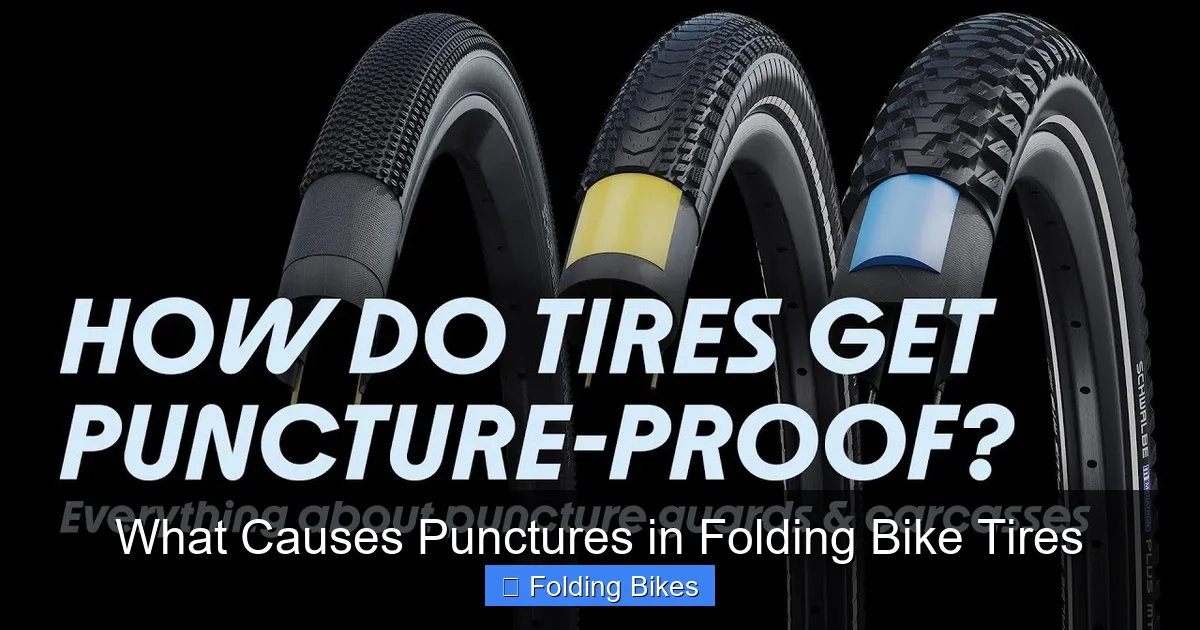
Visual guide about What Causes Punctures in Folding Bike Tires
Image source: i.ytimg.com
One of the biggest causes of punctures in folding bike tires is riding with underinflated tires. When your tires don’t have enough air, they become soft and more likely to pinch against the rim when hitting bumps or potholes. This is known as a “pinch flat” or “snakebite flat” because it often leaves two small holes close together, resembling a snake bite.
Why Underinflation Is Risky
Folding bike tires are typically narrower than those on full-sized bikes, which means they have less air volume to absorb shocks. When underinflated, the tire compresses too much, allowing the inner tube to get trapped between the rim and the road. This repeated stress weakens the tube and leads to punctures.
How to Check and Maintain Proper Pressure
Always check your tire pressure before long rides. Use a reliable gauge and refer to the recommended PSI printed on the tire sidewall. For most folding bikes, this ranges from 65 to 100 PSI, depending on the model and tire type. Investing in a best folding bike pump with a built-in pressure gauge makes it easy to top up air on the go.
Pro Tip
Check your tire pressure at least once a week. Air naturally leaks over time, and temperature changes can affect pressure. Cold weather causes air to contract, lowering PSI—so winter rides may require more frequent checks. For more details, see our guide on how often to pump bike tires.
2. Sharp Debris: The Urban Hazard
City streets, bike paths, and even park trails are full of sharp objects that can pierce your tires. Glass shards, nails, screws, thorns, and metal scraps are common culprits—especially in areas with construction or heavy foot traffic.
Why Folding Bike Tires Are More Vulnerable
Because folding bikes often use high-pressure, narrow tires, they have less cushioning and tread depth. This makes it easier for sharp objects to penetrate the casing and reach the inner tube. Plus, their lightweight design means manufacturers sometimes use thinner rubber to save weight.
How to Avoid Sharp Objects
Stay alert while riding. Avoid debris when possible, and choose cleaner routes when available. If you must ride through a messy area, slow down to reduce the impact force on your tires.
Upgrade to Puncture-Resistant Tires
Consider switching to tires with built-in puncture protection. Look for models with reinforced belts or Kevlar layers. For example, the best bike tires for low maintenance often include anti-puncture technology that significantly reduces flat risks.
3. Worn or Damaged Tires
Over time, tire tread wears down, and the rubber can develop cracks, especially if the bike is stored in direct sunlight or extreme temperatures. Worn tires lose their ability to deflect sharp objects and are more likely to suffer cuts or punctures.
Signs Your Tires Need Replacing
- Visible cracks or dry rot on the sidewall
- Flat spots or uneven wear patterns
- Tread that’s smooth or nearly gone
- Bumps or bulges indicating internal damage
Regular Inspection Routine
Make it a habit to inspect your tires before and after rides. Run your fingers along the tread and sidewalls to feel for cuts, embedded objects, or weak spots. If you find a small piece of glass or a thorn stuck in the tire, remove it carefully with tweezers—don’t just pull it out and assume it’s harmless. It could still be puncturing the tube slowly.
Storage Matters
Store your folding bike in a cool, dry place away from UV exposure. Sunlight degrades rubber over time. For long-term storage, slightly deflate the tires to reduce stress on the sidewalls. Learn more in our guide on how to store bike tires for long term.
4. Improper Tire Installation
Sometimes, punctures happen not because of external factors, but because the tire or tube wasn’t installed correctly. This is especially common after a flat repair or tire change.
Common Installation Mistakes
- Pinching the inner tube with tire levers
- Not seating the tire bead properly on the rim
- Using the wrong size tube or tire
- Forgetting to check for debris inside the tire before reinstalling
How to Install Tires Safely
Always use tire levers gently and avoid forcing the tire onto the rim. Inflate the tube slightly before inserting it into the tire to prevent pinching. Once the tire is on, check that the bead is evenly seated all around the rim before inflating fully.
If you’re new to tire installation, consider watching a tutorial or practicing on an old tire first. For tubeless setups, proper installation is even more critical—check out our guide on how to install tubeless bike tires for step-by-step instructions.
5. Valve Issues: The Hidden Leak
Sometimes, what looks like a puncture isn’t a hole in the tube at all—it’s a problem with the valve. Presta and Schrader valves can become loose, damaged, or clogged, causing slow air leaks.
How to Spot Valve Problems
- Air leaks even when the tire is new or recently patched
- Hissing sound near the valve stem
- Valve stem moves or wobbles when touched
Fixing Valve Issues
For Presta valves, make sure the lock nut is tightened after inflation. If the valve core is loose, use a valve core tool to tighten it. If the valve is damaged, replace the entire tube or use a valve core replacement kit.
6. Riding on Rough or Unsuitable Terrain
Folding bikes are designed for urban and light recreational use, not rugged off-road trails. Riding on gravel, sharp rocks, or uneven surfaces increases puncture risk—especially if your tires aren’t built for it.
Match Tires to Your Riding Style
If you frequently ride on rough paths, consider switching to more durable tires. For example, the best bike tires for hardpack dirt offer better grip and puncture resistance than standard city tires.
Adjust Pressure for Terrain
Lower pressure can help absorb bumps on rough terrain, but too low increases pinch flat risk. Conversely, high pressure on smooth roads improves speed but reduces comfort and traction. Find the right balance based on your route.
Troubleshooting Common Puncture Scenarios
Scenario 1: Frequent Flats on the Same Tire
This often indicates a hidden sharp object still embedded in the tire or a damaged rim tape. Remove the tire and inspect both the inside of the tire and the rim thoroughly.
Scenario 2: Slow Leak That’s Hard to Find
Submerge the inflated tube in water and look for bubbles. If the leak is near the valve or seam, it may require a patch or replacement.
Scenario 3: Flat After Recent Repair
Double-check your repair job. Did you sand the area properly? Use fresh glue and patch? Or could the tube have been pinched during reinstallation?
Conclusion
Punctures in folding bike tires can be frustrating, but they’re often preventable. By understanding the root causes—underinflation, sharp debris, worn tires, improper installation, valve issues, and unsuitable terrain—you can take proactive steps to protect your tires and enjoy more reliable rides.
Regular maintenance, proper inflation, and smart tire choices go a long way. Whether you’re commuting through the city or exploring local trails, keeping your tires in top condition ensures a smoother, safer journey. And when flats do happen, knowing how to respond quickly gets you back on the road faster.
With the right habits and equipment, you can significantly reduce the chances of a puncture and make the most of your folding bike’s convenience and versatility.



