
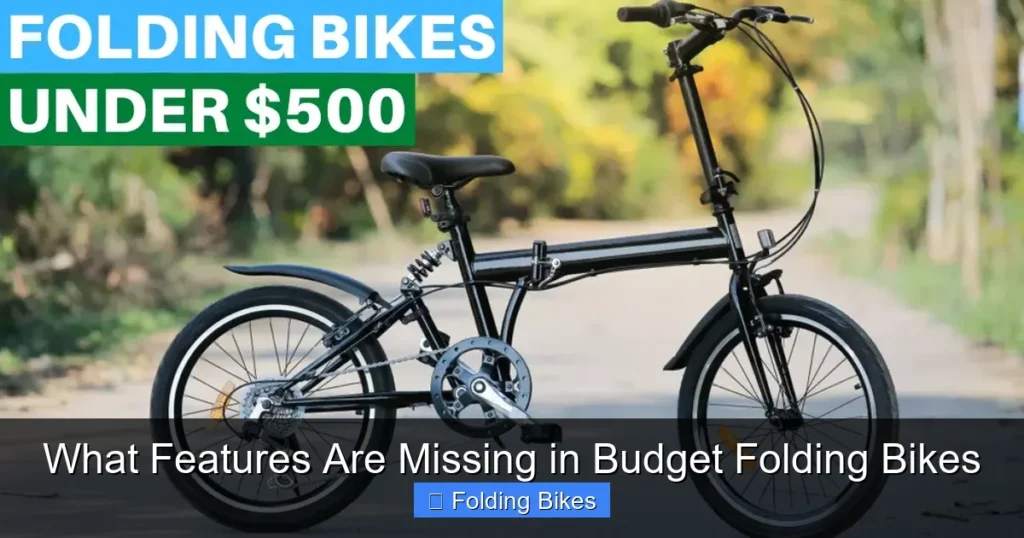
Budget folding bikes offer convenience and affordability, but often lack key features like quality suspension, reliable brakes, and durable components. This guide reveals what’s typically missing and how to make smart upgrades or choices.
Key Takeaways
- Poor-quality suspension systems: Most budget models skip suspension or use basic, ineffective designs that reduce ride comfort on rough terrain.
- Weak braking performance: Many rely on low-end rim brakes instead of disc brakes, compromising safety in wet or hilly conditions.
- Heavy frames and components: To cut costs, manufacturers often use heavier steel instead of lightweight aluminum or carbon fiber.
- Limited gear range: Budget folding bikes frequently have fewer gears, making hills and long rides more difficult.
- Basic folding mechanisms: Simpler hinges and latches may be less secure or harder to operate than premium systems.
- Minimal weather protection: Few include fenders, chain guards, or rust-resistant parts, limiting usability in rain or mud.
- Lack of accessory compatibility: Mounting points for racks, lights, and water bottles are often missing or poorly placed.
Introduction: Why Budget Folding Bikes Fall Short
Folding bikes are perfect for city commuters, travelers, and apartment dwellers who need portability. But when you’re shopping on a budget—typically under $500—you’ll quickly notice that many essential features are missing. While these bikes get the job done for short, flat rides, they often lack the durability, comfort, and performance of higher-end models.
In this guide, you’ll learn exactly what features are commonly missing in budget folding bikes, why they matter, and how to identify or upgrade them. Whether you’re buying your first folding bike or looking to improve your current one, this breakdown will help you make smarter decisions.
1. Suspension: The Forgotten Comfort Layer
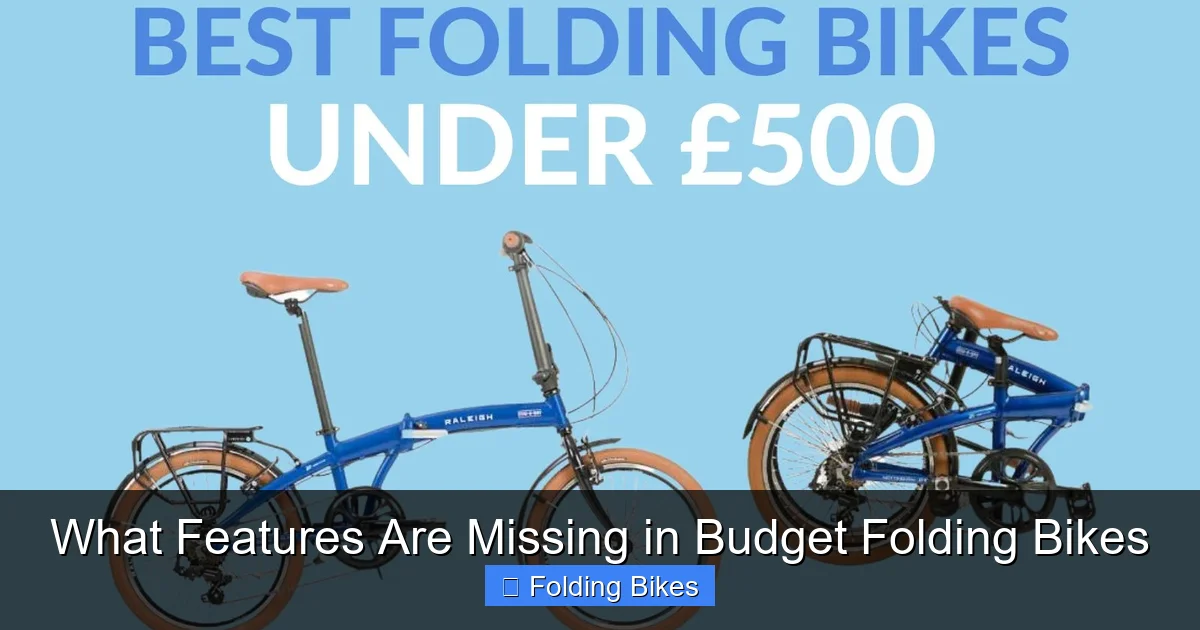
Visual guide about What Features Are Missing in Budget Folding Bikes
Image source: discerningcyclist.com
One of the first things sacrificed in budget folding bikes is suspension. Most low-cost models either have no suspension at all or use a basic front fork with minimal travel.
Why Suspension Matters
Suspension absorbs bumps from potholes, curbs, and uneven pavement. Without it, every jolt transfers directly to your hands, back, and joints—making longer rides uncomfortable and potentially harmful over time.
What to Look For
Higher-end folding bikes often include front suspension forks or even rear suspension systems. Budget models may advertise “comfort geometry” or “flexible frames,” but these are not true suspension. If you plan to ride on rough city streets or gravel paths, consider upgrading to a model with at least a basic suspension fork. For inspiration, check out our guide on the best folding mountain bikes for bikepacking, which highlights models with better shock absorption.
2. Braking Systems: Safety on a Budget
Brakes are critical for safety, yet many budget folding bikes come with outdated or weak braking systems.
Rim Brakes vs. Disc Brakes
Most budget models use rim brakes (like V-brakes), which clamp onto the wheel rim. While functional in dry conditions, they lose effectiveness when wet or muddy. Disc brakes—especially mechanical or hydraulic ones—offer stronger, more consistent stopping power in all weather.
Upgrade Options
If your bike has rim brakes, consider upgrading to mechanical disc brakes if the frame allows it. Look for models with brake mounts compatible with disc systems. For a deeper dive, read our article on best budget disc brakes to find affordable, reliable options that fit folding frames.
3. Frame Weight and Material
Portability is a key selling point of folding bikes, but budget models often miss the mark by using heavy materials.
Steel vs. Aluminum
Many low-cost folding bikes use high-tensile steel frames because they’re cheaper to produce. While durable, steel is significantly heavier than aluminum. A typical steel folding bike can weigh 30–35 pounds, making it hard to carry up stairs or onto public transit.
What to Expect
Aluminum frames are lighter and resist rust better, but they’re rare in budget models. If weight is a concern, look for bikes under 28 pounds. Some mid-range options offer aluminum frames without breaking the bank—ideal for daily commuters.
4. Gear Range and Drivetrain Quality
Budget folding bikes often have limited gearing, which can make riding uphill or over long distances a struggle.
Single-Speed and 3-Speed Limitations
Many entry-level models come with single-speed or 3-speed internal gear hubs. These are simple and low-maintenance but offer little flexibility. On hilly terrain, you’ll quickly find yourself pedaling too fast or struggling to climb.
Upgrading Gears
Look for bikes with at least 7–8 speeds, preferably with a wide-range cassette. External derailleurs are more common on slightly pricier models but offer better gear variety. If you’re tackling varied terrain, consider a bike with a compact crankset and a broad gear range. Our guide on the best budget crankset can help you upgrade your drivetrain affordably.
5. Folding Mechanism: Simplicity Over Security
The folding mechanism is the heart of a folding bike, but budget models often use basic designs that sacrifice stability and ease of use.
Common Issues
Cheaper bikes may have single hinges, weak latches, or folding steps that require multiple tools. This makes folding and unfolding slower and less secure. In some cases, the frame can wobble when riding if the latch isn’t tight enough.
What to Look For
Premium models use double hinges, magnetic locks, or quick-release levers that fold in under 30 seconds. While rare in budget bikes, some mid-tier options now include improved mechanisms. Always test the folding action in-store or watch video reviews to see how smooth it is.
6. Weather Protection and Durability
Riding in rain, snow, or mud? Budget folding bikes often lack the weatherproofing needed for all-season use.
Missing Fenders and Chain Guards
Many budget models don’t include fenders (mudguards) or full chain guards. This means you’ll get splashed in wet weather, and your chain is more likely to collect dirt and rust.
Rust-Prone Components
Cheaper bikes often use untreated steel bolts, cables, and chains that corrode quickly in damp conditions. Look for stainless steel or coated parts if you ride in wet climates.
Easy Fixes
You can add clip-on fenders or install a chain guard yourself. For tips, see our guide on how to install fenders on hybrid bikes—the process is similar for folding models.
7. Accessory Compatibility
Want to carry groceries, a laptop, or a water bottle? Budget folding bikes often lack mounting points for essential accessories.
No Rack or Bottle Mounts
Many low-cost models don’t have eyelets for rear racks, front racks, or water bottle cages. This limits your ability to commute comfortably or go on longer rides.
Workarounds
You can use strap-on racks or handlebar-mounted bottle cages, but they’re less secure. When shopping, look for bikes with at least two water bottle mounts and rear rack compatibility. Some models even include front rack mounts—ideal for bikepacking trips.
Troubleshooting Common Issues
Even with missing features, you can improve your budget folding bike’s performance with a few smart upgrades.
Bike Feels Too Heavy?
Swap out heavy steel parts like the seatpost or handlebars for aluminum versions. Every pound counts when carrying your bike.
Brakes Feel Weak?
Replace worn brake pads with high-quality ones (like Kool Stop or SwissStop). If your frame supports it, upgrade to disc brakes.
Uncomfortable Ride?
Add a suspension seatpost or gel saddle. These are affordable upgrades that dramatically improve comfort on bumpy roads.
Hard to Fold?
Lubricate hinges and latches regularly. If the mechanism is loose, check for worn pins or bolts and replace them.
Conclusion: Making the Most of Your Budget Folding Bike
Budget folding bikes are a great starting point for casual riders and urban commuters. But it’s important to know what you’re giving up—and how to compensate. From weak brakes to heavy frames and missing accessories, the gaps are real.
However, with a few targeted upgrades—like better brakes, fenders, or a suspension seatpost—you can significantly improve your bike’s performance and comfort. Always prioritize safety and usability over saving a few dollars. And if you’re ready to step up, consider mid-range models that include more of these missing features from the start.
Remember: a folding bike should make your life easier, not harder. By understanding what’s missing, you can make smarter choices and enjoy every ride—whether you’re dodging traffic or exploring a new city.



