
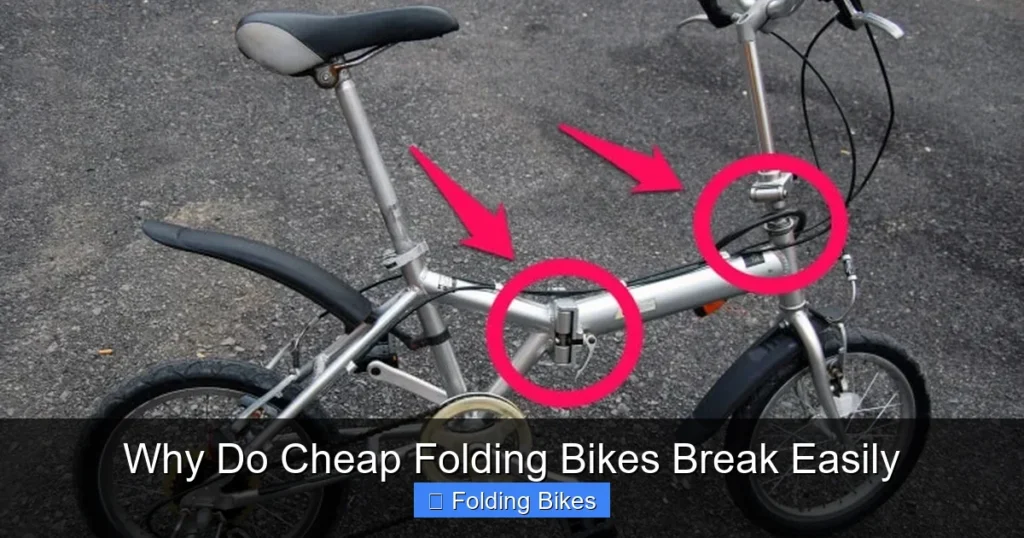
Cheap folding bikes often break due to low-quality materials, poor construction, and weak joints. This guide explains the common failure points and how to choose a more durable model that lasts longer and rides safer.
Key Takeaways
- Poor frame materials: Many budget folding bikes use thin aluminum or low-grade steel that bends or cracks under stress.
- Weak hinge mechanisms: The folding joint is a critical weak point—cheap versions often lack reinforcement and wear out quickly.
- Low-quality components: Brakes, gears, and wheels on inexpensive models are often made from subpar parts that fail sooner.
- Inadequate weight limits: Cheap bikes are not built for heavier riders or daily use, leading to early breakdowns.
- Lack of proper testing: Budget models often skip rigorous safety and durability testing, increasing the risk of failure.
- Minimal warranty and support: Many low-cost brands offer little to no customer service or repair guidance.
- Smart upgrades matter: Investing in a quality folding bike pump or better tires can improve performance and longevity.
Introduction: Why Understanding Folding Bike Durability Matters
Folding bikes are a fantastic solution for city commuters, travelers, and anyone with limited storage space. They’re compact, convenient, and perfect for combining with public transit. But if you’ve ever owned a cheap folding bike, you may have experienced the frustration of a wobbly hinge, a snapped bolt, or brakes that give out after just a few months.
In this guide, we’ll explore why do cheap folding bikes break easily—and more importantly, how you can avoid these pitfalls. You’ll learn what to look for when buying, how to maintain your bike, and which upgrades can make a big difference. Whether you’re a daily rider or an occasional explorer, understanding these issues will help you choose a bike that’s reliable, safe, and built to last.
1. The Role of Frame Materials in Durability
The frame is the backbone of any bike, and folding bikes are no exception. Unfortunately, many budget models cut costs by using inferior materials.
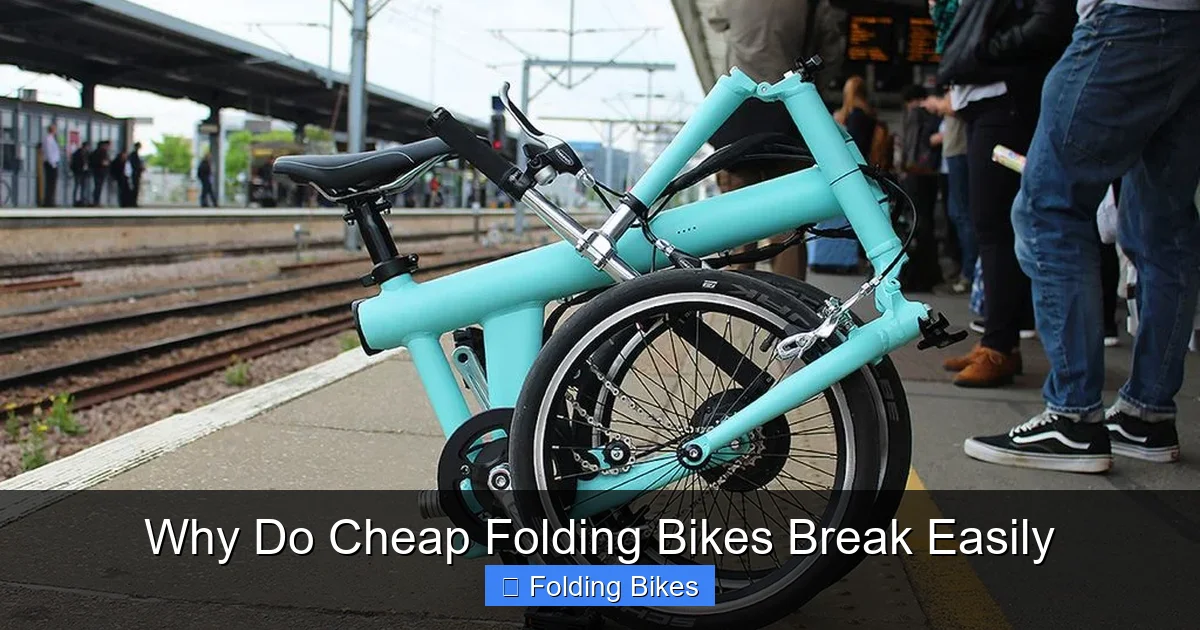
Visual guide about Why Do Cheap Folding Bikes Break Easily
Image source: cdn.mos.cms.futurecdn.net
Common Frame Materials in Cheap Folding Bikes
- Thin aluminum: Lightweight but prone to cracking under repeated stress, especially at weld points.
- Low-carbon steel: Heavier and less resistant to rust, often used in very low-end models.
- Reinforced joints missing: Even if the material seems okay, weak welding or lack of gussets can lead to frame failure.
For example, a $200 folding bike might use aluminum that’s only 1.2mm thick—fine for occasional use, but not for daily commuting or rough roads. Over time, vibrations and impacts cause micro-fractures that grow into full breaks.
What to Look For Instead
Opt for bikes with high-tensile steel or aircraft-grade aluminum. These materials cost more but offer better strength-to-weight ratios. Brands like Tern and Brompton use reinforced frames designed for long-term use. If you’re planning long rides or rough terrain, consider models built for durability, such as those in our guide to the best folding mountain bikes for bikepacking.
2. The Weakest Link: Folding Hinges and Joints
The folding mechanism is both the main feature and the biggest vulnerability of a folding bike. Cheap models often use simple hinges with minimal locking systems.
Common Hinge Problems
- Loose or wobbly hinges: Caused by poor machining or lack of regular maintenance.
- Single locking point: Many budget bikes rely on one latch, which can fail under stress.
- No secondary safety lock: If the main latch fails, the bike can fold unexpectedly while riding.
Imagine riding over a pothole and feeling the frame twist—this is often due to a weak hinge. Over time, the repeated stress causes metal fatigue, leading to cracks or complete failure.
How to Test and Maintain Hinges
Before buying, test the hinge by folding and unfolding the bike several times. It should feel smooth and secure. Look for models with dual locking systems and reinforced pivot points. After purchase, check the hinge monthly for looseness and apply a small amount of bike grease to keep it moving smoothly.
3. Low-Quality Components: Brakes, Gears, and Wheels
Even if the frame is decent, cheap folding bikes often come with substandard parts that wear out fast.
Brake Failures
Many budget models use basic V-brakes or low-end disc brakes with poor pads and cables. These can lose tension quickly, especially in wet conditions. For safer stopping power, consider upgrading to hydraulic disc brakes or at least high-quality mechanical ones.
Gear and Drivetrain Issues
Cheap gear systems often skip proper indexing, leading to slipping or difficulty shifting. Chains may stretch prematurely, and derailleurs can bend easily. If you ride in hilly areas, a reliable gear system is essential. For better performance, check out our guide on how to choose tires for gravel bikes, which includes tips on matching components to your riding style.
Wheels and Tires
Small wheels on folding bikes are already more prone to bumps, but cheap tires make it worse. Thin, low-tread tires wear out fast and offer little grip. Upgrading to puncture-resistant tires can save you from frequent flats and improve ride quality.
4. Weight Limits and Overloading
Cheap folding bikes are often designed for light use and lower weight capacities—typically under 220 lbs. Exceeding this limit puts extra stress on the frame, hinges, and wheels.
Signs You’re Overloading Your Bike
- Frame creaks or flexes when you ride
- Wheels wobble or go out of true quickly
- Brakes feel weak even after adjustment
If you’re carrying a backpack, panniers, or riding with a child seat, your total load may be too much for a budget bike. Always check the manufacturer’s weight rating and stay below it for safety.
5. Lack of Proper Assembly and Maintenance
Many cheap folding bikes are sold online and shipped partially assembled. If not put together correctly, critical parts like the stem, handlebars, or pedals can loosen or fail.
DIY Assembly Risks
Without proper tools or knowledge, you might overtighten bolts (causing cracks) or leave them too loose (leading to wobbling). Always follow the manual and use a torque wrench if possible.
Regular Maintenance Tips
- Lubricate the chain every 100 miles
- Check tire pressure weekly—underinflated tires increase wear
- Inspect bolts and hinges monthly
- Store in a dry place to prevent rust
A simple tool like a best folding bike pump can help you maintain proper tire pressure on the go, reducing strain on the wheels and frame.
6. Weather and Environmental Factors
Cheap folding bikes often lack weather-resistant coatings or seals. Riding in rain, snow, or salty air accelerates corrosion, especially in the hinges and bolts.
How to Protect Your Bike
After riding in wet conditions, wipe down the frame and hinges. Apply a light coat of bike-specific lubricant to moving parts. For long-term storage, keep your bike indoors. If you live in a rainy climate, consider models with better sealing or apply a protective spray.
For more tips, see our article on weatherproofing tips for mountain bikes, which includes useful advice applicable to folding bikes as well.
Troubleshooting Common Breakage Issues
Even with care, problems can arise. Here’s how to handle the most common ones:
Wobbly Handlebars or Stem
This is usually due to a loose stem bolt. Tighten it gradually using an Allen key, but don’t over-tighten. If the stem itself is cracked, replace it immediately.
Squeaky or Stiff Folding Mechanism
Clean the hinge with a cloth and apply a small amount of grease. Avoid oil-based lubricants, which attract dirt.
Brakes Not Gripping
Check brake pads for wear and alignment. Adjust cable tension or replace worn pads. If the issue persists, consider upgrading to better brakes.
Chain Slipping
This could be a stretched chain, worn cassette, or misaligned derailleur. Replace the chain if it’s over 0.5% stretched, and have a mechanic check the drivetrain.
Conclusion: Invest in Quality to Avoid Breakdowns
So, why do cheap folding bikes break easily? The answer lies in a combination of poor materials, weak construction, and lack of durability testing. While they may seem like a bargain upfront, the cost of frequent repairs or early replacement adds up.
Instead of chasing the lowest price, focus on value. Look for bikes with strong frames, reliable hinges, and quality components. Regular maintenance and smart upgrades—like a good pump or better tires—can extend your bike’s life significantly. Remember, a folding bike is an investment in your mobility and convenience. Choose wisely, maintain it well, and it will serve you reliably for years.



