
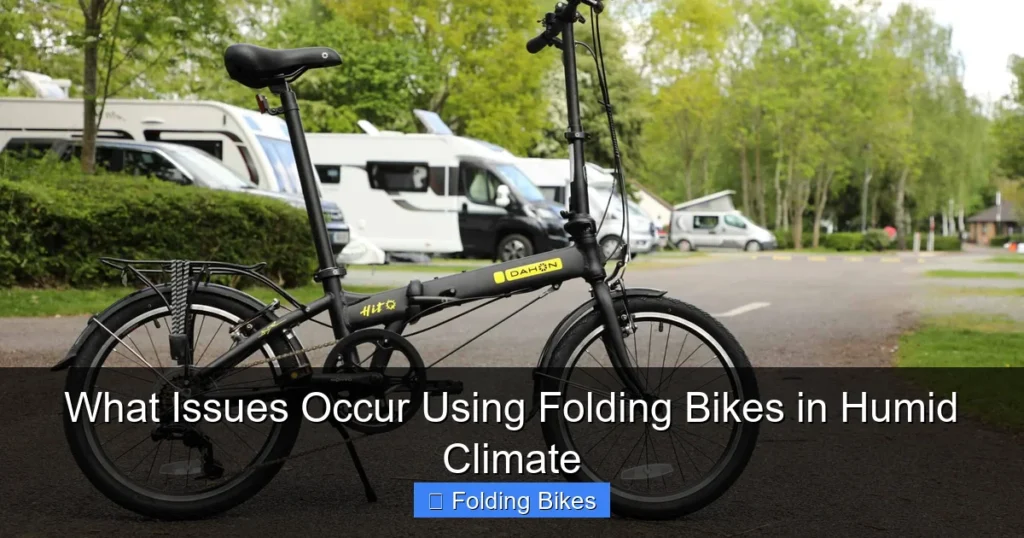
Humid climates pose unique challenges for folding bikes, including rust, corrosion, and component wear. This guide explains the problems you may encounter and offers actionable solutions to keep your bike running smoothly in moisture-heavy environments.
Key Takeaways
- Rust and corrosion are the biggest threats to metal components like chains, hinges, and bolts in humid conditions.
- Folding mechanisms can seize up if not regularly cleaned and lubricated due to moisture buildup.
- Rubber and plastic parts may degrade faster in high humidity, leading to cracks or reduced flexibility.
- Electrical systems on e-folding bikes are vulnerable to moisture damage if not properly sealed.
- Regular maintenance is essential—cleaning, drying, and lubricating your bike after every ride helps prevent long-term damage.
- Use weather-resistant accessories like fenders, waterproof bags, and rust-inhibiting sprays to protect your bike.
- Store your folding bike indoors in a dry, well-ventilated area to minimize exposure to damp air.
What Issues Occur Using Folding Bikes in Humid Climate
If you live in a tropical, coastal, or generally humid region, you know how moisture can affect everyday items—from electronics to clothing. But did you know your folding bike is especially vulnerable? Folding bikes, with their compact frames, multiple joints, and often intricate mechanisms, face unique challenges in humid climates. In this guide, we’ll walk you through the most common problems you might encounter, why they happen, and—most importantly—how to prevent and fix them.
Whether you use your folding bike for daily commuting, weekend adventures, or travel, understanding these issues will help you extend its lifespan and keep it performing at its best. Let’s dive into the key problems and practical solutions.
Rust and Corrosion on Metal Components
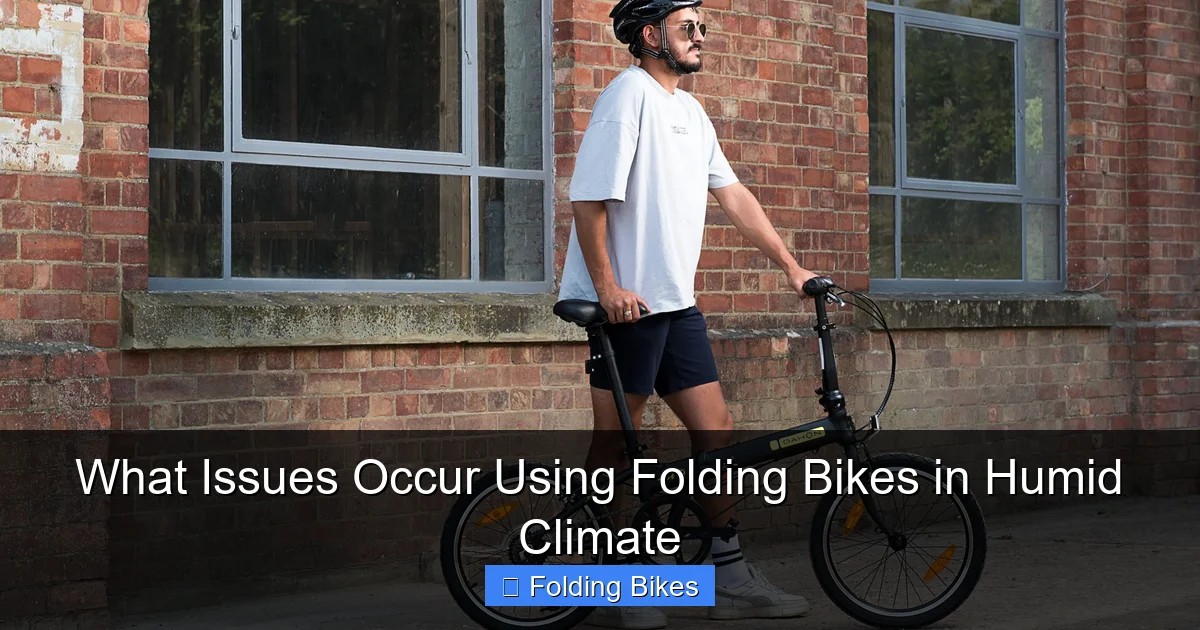
Visual guide about What Issues Occur Using Folding Bikes in Humid Climate
Image source: dahonfoldingbikes.com
One of the most obvious and damaging issues in humid environments is rust. Moisture in the air—especially when combined with salt (common near oceans)—accelerates oxidation on metal parts.
Common Areas Affected
- Chain and drivetrain: These are constantly exposed and hard to fully protect.
- Hinges and folding joints: Critical for the bike’s function, these can seize if corroded.
- Brake cables and bolts: Small parts that are often overlooked but essential for safety.
How to Prevent and Fix
After every ride, especially in wet or humid conditions, wipe down your bike with a dry cloth. Use a degreaser to clean the chain, then apply a high-quality, water-resistant lubricant like wet lube. For hinges and bolts, a light coat of anti-corrosion spray can make a big difference.
> Tip: Consider using stainless steel or titanium bolts when replacing parts—they resist rust far better than standard steel.
Stiff or Seized Folding Mechanisms
The folding mechanism is the heart of a folding bike. In humid climates, moisture can seep into the joints, causing stiffness or even complete seizure over time.
Signs to Watch For
- Difficulty unfolding or folding the bike
- Unusual squeaking or grinding sounds
- Visible rust or white mineral deposits around joints
How to Maintain Smooth Operation
Disassemble the folding joints every few months (refer to your bike’s manual). Clean out any dirt or residue, then apply a silicone-based lubricant or bike-specific grease. Avoid using WD-40 as a long-term solution—it attracts dirt and dries out quickly.
> Pro Tip: If your bike starts to feel stiff, don’t force it. Forcing can damage the mechanism. Instead, apply lubricant and gently work the joint back and forth.
Degradation of Rubber and Plastic Parts
High humidity doesn’t just affect metal—it can also break down rubber and plastic components over time. Seals, grips, and suspension elements may become brittle, crack, or lose elasticity.
Parts Most at Risk
- Handlebar grips
- Tire sidewalls and valve stems
- Suspension elastomers (if your bike has them)
- Rubber seals on folding joints
How to Protect These Components
Use a rubber protectant spray every few weeks to keep materials supple. Store your bike away from direct sunlight and heat, which can worsen degradation. Replace worn grips or seals promptly to avoid further damage.
> Example: A cracked valve stem can lead to slow leaks—replace it before it fails completely.
Electrical System Damage on E-Folding Bikes
If you ride an electric folding bike, humidity is a silent enemy to your motor, battery, and wiring. Moisture can cause short circuits, corrosion on connectors, and reduced battery life.
Vulnerable Areas
- Battery terminals and housing
- Motor connections
- Display and sensor wiring
Prevention Tips
Always dry your e-bike thoroughly after riding in damp conditions. Use dielectric grease on electrical connectors to repel moisture. Store the battery indoors when not in use—never leave it on the bike in humid environments.
> Important: If your e-bike gets soaked, do not turn it on immediately. Let it dry completely for at least 24 hours.
For more on maintaining e-bikes in tough conditions, check out our guide on how to choose a pump for e-bikes, which includes tips on weatherproofing.
Increased Wear on Tires and Brakes
Humid air often comes with rain, and wet roads mean more friction and debris. This leads to faster wear on tires and brake pads.
Common Issues
- Tires lose tread faster due to wet, gritty conditions
- Brake pads wear down quicker and may squeak more
- Rim brakes (common on folding bikes) can corrode on the braking surface
How to Extend Component Life
Inspect tires regularly for cuts, bulges, or low tread. Replace them before they become unsafe. Clean brake rims with isopropyl alcohol to remove rust and grime. Consider upgrading to ceramic or coated brake pads for better wet-weather performance.
> Tip: Use fenders to keep water and mud off your tires and brakes. Learn how to install them with our guide on how to install fenders on hybrid bikes—the process is similar for folding models.
Mold and Mildew on Storage Areas
Folding bikes are often stored in tight spaces—under desks, in closets, or in bike bags. In humid climates, these enclosed areas can trap moisture, leading to mold and mildew growth.
Where It Happens
- Inside bike bags or covers
- On saddle and handlebar tape
- In the frame’s internal cavities (if not sealed)
How to Prevent and Clean
Always dry your bike completely before storing. Use breathable bike covers instead of plastic ones. Place moisture-absorbing silica gel packs in storage bags. If mold appears, clean it with a vinegar-water solution and let the area dry thoroughly.
> Example: A musty smell from your bike bag is a red flag—it means moisture is trapped inside.
Troubleshooting Common Humidity-Related Problems
Even with prevention, issues can still arise. Here’s how to handle them:
Bike Won’t Fold Smoothly
- Check for rust or dirt in the hinge.
- Apply lubricant and work the joint gently.
- If stuck, consult a bike mechanic—don’t force it.
Chain Keeps Slipping
- Clean and re-lubricate the chain.
- Check for rust or stiff links.
- Replace the chain if it’s stretched or damaged.
Brake Performance Drops in Wet Weather
- Clean brake rims and pads.
- Upgrade to wet-weather brake pads.
- Consider disc brakes if your bike allows upgrades.
For more on braking systems, see our article on how to bed in disc brakes, which covers maintenance in all conditions.
Best Practices for Long-Term Care
To keep your folding bike in top shape in a humid climate, follow this routine:
- After every ride: Wipe down the frame, dry the chain, and check for moisture in joints.
- Weekly: Clean the drivetrain and apply fresh lubricant.
- Monthly: Inspect hinges, bolts, and electrical connections. Reapply protective sprays.
- Seasonally: Deep clean the bike, check tire condition, and service brakes.
Invest in quality accessories like a best folding bike pump with a pressure gauge to maintain proper tire inflation, which helps prevent pinch flats and improves ride quality.
Conclusion
Riding a folding bike in a humid climate doesn’t have to be a battle against rust and decay. By understanding the risks—rust, seized joints, electrical damage, and material degradation—you can take proactive steps to protect your investment. Regular cleaning, proper lubrication, smart storage, and the right accessories make all the difference.
With a little extra care, your folding bike can deliver reliable, smooth performance year after year, no matter how sticky the air gets. Stay dry, stay safe, and keep rolling!



