
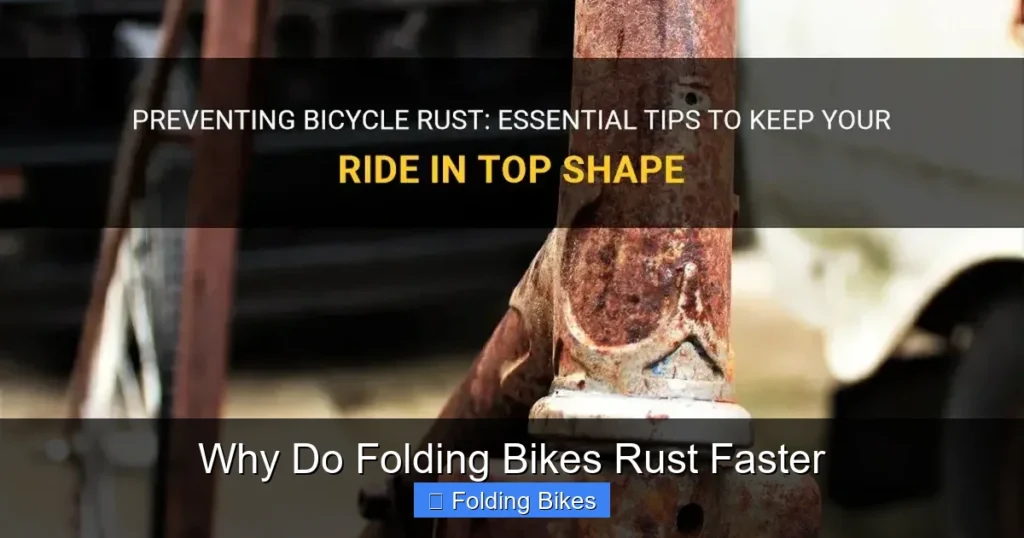
Folding bikes are more prone to rust than regular bikes due to their complex joints, compact frames, and frequent exposure to moisture. This guide explains the causes and offers practical steps to protect your folding bike from corrosion.
Key Takeaways
- Joints and hinges trap moisture: Folding mechanisms create tight spaces where water and dirt collect, accelerating rust.
- Thinner frames use less corrosion-resistant materials: To save weight, many folding bikes use aluminum or lower-grade steel that rusts faster.
- Frequent folding increases wear on protective coatings: Constant movement wears down paint and sealants, exposing metal to air and water.
- Urban and wet environments worsen rust risk: Commuting in rain or snow without proper care leads to faster corrosion.
- Regular cleaning and lubrication prevent rust: Simple maintenance routines can dramatically extend your bike’s life.
- Use fenders and rust inhibitors: Adding protective accessories and sprays helps shield vulnerable parts.
- Store indoors when possible: Keeping your folding bike dry and sheltered is the best long-term defense.
Why Do Folding Bikes Rust Faster? A Complete How-To Guide
If you own a folding bike, you’ve probably noticed that it seems to rust faster than your friend’s standard road or mountain bike. You’re not imagining it—there are real, science-backed reasons why folding bikes are more vulnerable to corrosion. But the good news? With the right care, you can stop rust in its tracks and keep your compact ride running smoothly for years.
In this guide, you’ll learn exactly why folding bikes rust faster, what parts are most at risk, and—most importantly—how to prevent and treat rust effectively. Whether you use your folding bike for city commuting, travel, or weekend adventures, these tips will help you protect your investment.
Understanding the Rust Problem on Folding Bikes
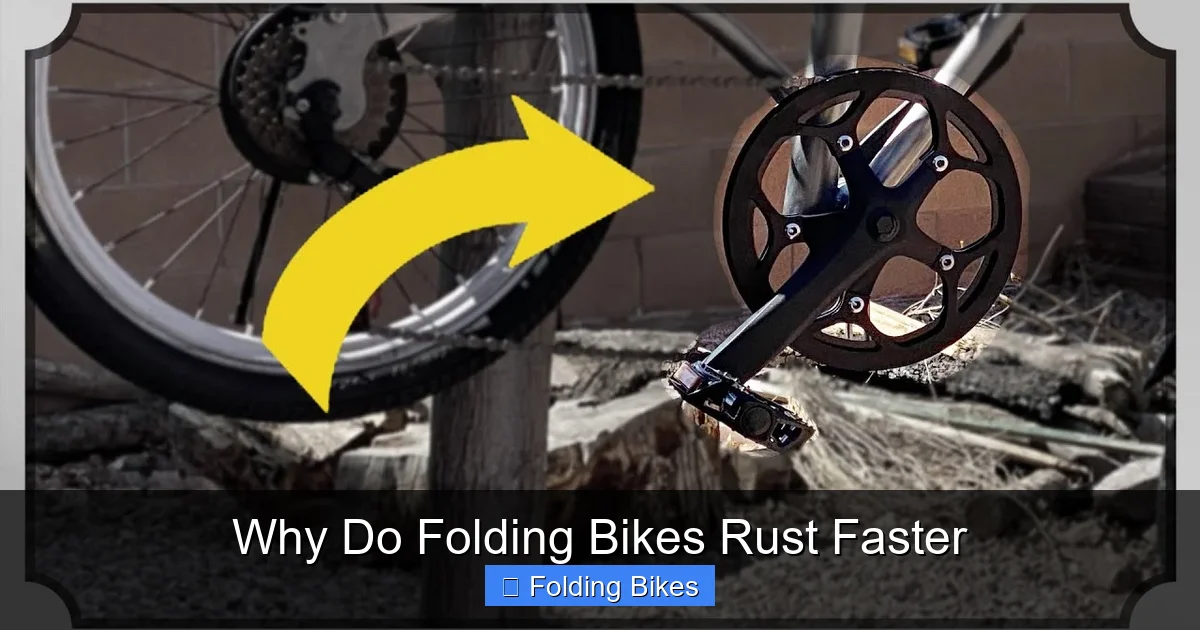
Visual guide about Why Do Folding Bikes Rust Faster
Image source: i.ytimg.com
Rust is the result of iron or steel reacting with oxygen and moisture. While all metal bikes can rust, folding bikes have unique design features that make them especially susceptible.
Unlike traditional bikes with solid, continuous frames, folding bikes are built with hinges, latches, and folding joints. These moving parts create tiny gaps and crevices where water, salt, and dirt can hide. Once moisture gets trapped, it’s hard to dry out—especially in cold or humid weather. Over time, this leads to oxidation and rust.
Additionally, many folding bikes are made from lightweight materials like aluminum or lower-carbon steel to keep them portable. While great for carrying, these materials often lack the rust-resistant coatings found on higher-end full-size bikes.
Top Reasons Folding Bikes Rust Faster
1. Folding Joints Trap Moisture
The biggest culprit is the folding mechanism itself. Every time you fold or unfold your bike, small amounts of water and grime can get stuck in the hinges and latches. These areas are hard to clean and even harder to dry completely.
For example, the main hinge that allows the frame to fold is often made of steel and covered in a thin layer of paint. If that paint chips—even slightly—the exposed metal will start to rust, especially if it stays wet.
2. Thinner Frame Materials
To keep folding bikes lightweight, manufacturers often use thinner tubing and less durable alloys. Aluminum resists rust better than steel, but it can still corrode in salty or wet conditions. Cheaper steel frames, especially those without proper galvanization or powder coating, rust quickly when exposed to the elements.
3. Frequent Use in Wet Conditions
Folding bikes are popular among city commuters who ride in all weather. Rain, snow, and road salt are common in urban areas, and they’re rust’s best friends. If you ride your folding bike to work in the rain and then store it in a damp garage or basement, you’re creating the perfect storm for corrosion.
4. Wear and Tear on Protective Coatings
Every time you fold your bike, the paint and protective coatings on the frame and joints rub against each other. This friction wears down the finish, exposing bare metal. Once the coating is gone, rust can begin in just days under the right conditions.
5. Poor Storage Habits
Many folding bike owners store their bikes in basements, balconies, or outdoor sheds—places that are often damp or poorly ventilated. Even a little humidity over time can cause rust to form, especially on bolts, chains, and hinges.
How to Prevent Rust on Your Folding Bike
Now that you know why folding bikes rust faster, let’s talk about how to stop it. Prevention is always easier—and cheaper—than repair.
Step 1: Clean Your Bike Regularly
Wipe down your bike after every ride, especially if it’s been raining. Use a soft cloth and mild soap to remove dirt, salt, and moisture. Pay special attention to the folding joints, hinges, and under the handlebars.
For a deeper clean, use a bike-specific cleaner and a soft brush to get into tight spaces. Avoid high-pressure washers—they can force water into sealed areas and damage bearings.
Step 2: Dry Thoroughly After Washing
Never let your bike air-dry outdoors. Instead, dry it indoors with a clean towel. Use a hairdryer on a cool setting to blow out water from hinges and joints. This extra step can make a huge difference.
Step 3: Lubricate Moving Parts
Apply a light bike lubricant to all folding mechanisms, hinges, and latches. This not only keeps them moving smoothly but also creates a protective barrier against moisture.
Use a silicone-based spray for hinges and a wet lube for the chain if you ride in the rain. Reapply every few weeks or after washing.
Step 4: Use Fenders and Mudguards
Fenders are a must if you ride in wet or muddy conditions. They prevent water and road grime from splashing onto your frame and drivetrain. For folding bikes, look for compact, easy-to-install options like clip-on fenders.
Check out our guide on how to install fenders on hybrid bikes for step-by-step instructions that also apply to folding models.
Step 5: Apply Rust Inhibitors
Consider using a rust inhibitor spray on vulnerable areas like the frame joints, bolts, and under the saddle. Products like WD-40 Specialist Corrosion Inhibitor or ACF-50 are designed to stop rust before it starts.
Spray lightly and wipe off excess to avoid attracting dirt.
Step 6: Store Indoors in a Dry Place
Always store your folding bike indoors when possible. A dry, climate-controlled space like a closet or garage is ideal. If you must store it outside, use a high-quality bike cover and elevate it off the ground.
Avoid leaning it against damp walls or concrete floors, which can wick moisture into the frame.
Step 7: Inspect Regularly for Early Signs of Rust
Check your bike weekly for small rust spots, especially around hinges and bolts. If you catch rust early, you can remove it with fine steel wool and touch up the area with touch-up paint.
For more detailed advice, read our article on how to protect a bike frame from rust, which includes DIY rust removal techniques.
Troubleshooting Common Rust Issues
Even with the best care, rust can still appear. Here’s how to handle the most common problems:
Stiff or Stuck Folding Mechanism
If your bike won’t fold smoothly, rust may be seizing the hinges. Apply a penetrating oil like PB Blaster to the joint, let it sit for 10–15 minutes, then gently work the mechanism back and forth. Once it moves freely, clean and lubricate.
Rusty Bolts and Fasteners
Use a wire brush to scrub off surface rust. If the bolt is stuck, apply heat with a hairdryer or use a bolt extractor. Replace severely corroded bolts with stainless steel ones for better rust resistance.
Chain Rust
A rusty chain affects performance and can damage your drivetrain. Clean it with a degreaser and a chain brush, then apply a wet lube. If the rust is deep or the chain skips, it’s time for a replacement.
Choosing a Rust-Resistant Folding Bike
If you’re in the market for a new folding bike, look for models with rust-resistant features:
– Aluminum or chromoly steel frames with powder coating
– Stainless steel bolts and fasteners
– Sealed bearings in hinges and wheels
– Integrated fender mounts
Brands like Brompton, Tern, and Dahon often use higher-quality materials and better sealing to reduce rust risk.
Conclusion
Folding bikes rust faster because of their design, materials, and usage patterns—but that doesn’t mean you have to live with a corroded frame. By understanding the causes and taking proactive steps, you can keep your folding bike in top condition for years.
Regular cleaning, proper lubrication, smart storage, and protective accessories like fenders make a huge difference. And if rust does appear, early detection and treatment can save you from costly repairs.
With the right care, your folding bike will stay rust-free, reliable, and ready for every adventure.



