
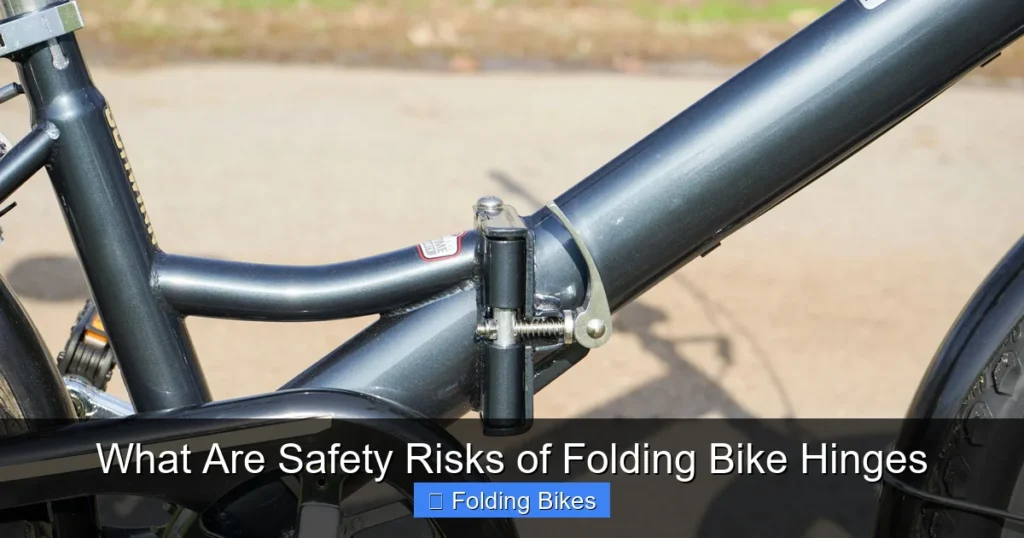
Folding bike hinges are convenient but can pose serious safety risks if not properly maintained. This guide explains common hinge problems, how to spot them early, and steps to prevent accidents while riding.
Key Takeaways
- Hinge failure can cause sudden frame collapse: A broken or loose hinge may lead to loss of control and serious injury.
- Regular inspection is critical: Check hinges before every ride for cracks, rust, or play in the joint.
- Lubrication prevents wear and corrosion: Use bike-specific lubricants to keep hinges moving smoothly and protected from moisture.
- Over-tightening damages threads: Always follow manufacturer torque specs when adjusting hinge bolts.
- Use only approved replacement parts: Aftermarket hinges may not meet safety standards and can fail under stress.
- Store your bike properly: Keep it dry and avoid placing heavy objects on folded frames to prevent hinge damage.
- Know your bike’s folding mechanism: Different brands use unique designs—understand yours to maintain it correctly.
Introduction: Why Folding Bike Hinges Matter for Safety
Folding bikes are popular for commuters, travelers, and urban riders because they’re compact, portable, and easy to store. But their biggest advantage—the folding mechanism—also introduces unique safety risks. The hinges that allow the frame to fold are under constant stress from weight, vibration, and repeated use. If these hinges fail, the consequences can be severe, including sudden frame collapse, loss of steering control, or even accidents during riding.
In this guide, you’ll learn how to identify the most common safety risks associated with folding bike hinges, how to inspect them properly, and what steps you can take to prevent failures. Whether you’re a daily commuter or an occasional rider, understanding hinge safety is essential for a smooth and secure ride.
Common Safety Risks of Folding Bike Hinges
Folding bike hinges are engineered to be strong and durable, but they’re not indestructible. Over time, normal wear and environmental factors can compromise their integrity. Here are the most common safety risks you should be aware of:
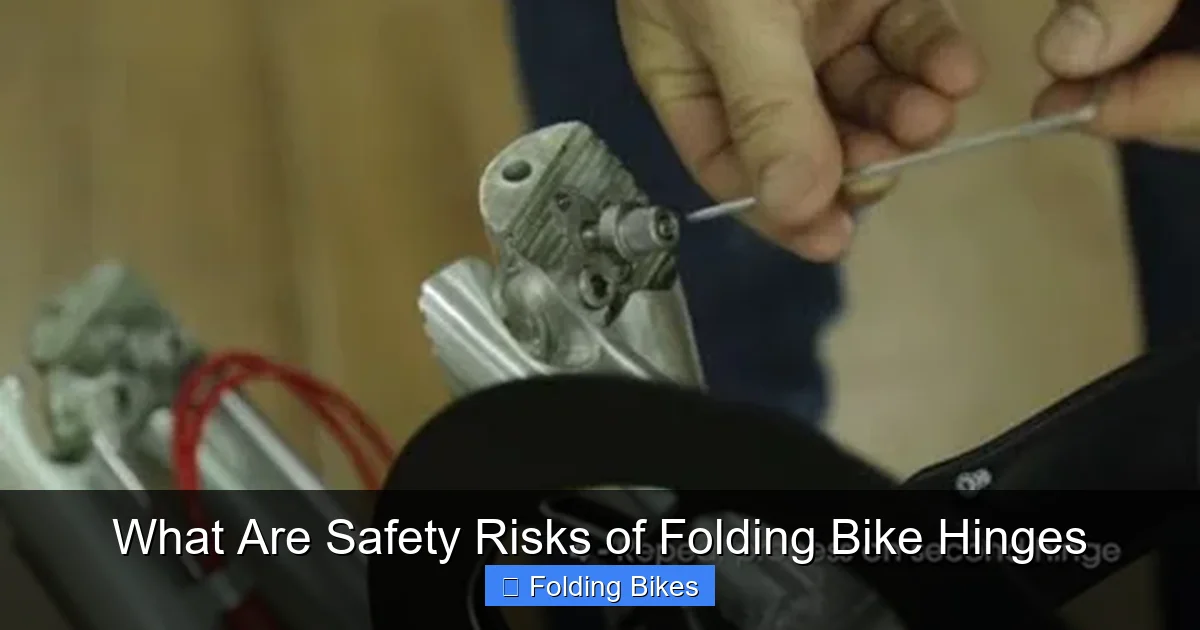
Visual guide about What Are Safety Risks of Folding Bike Hinges
Image source: i.ytimg.com
1. Structural Cracks or Fractures
One of the most dangerous risks is a cracked hinge. These cracks often start small—barely visible—but can grow under stress. A fractured hinge can cause the frame to snap open or shut unexpectedly while riding, leading to loss of balance or a fall.
Example: A rider on a city commute felt a slight wobble but ignored it. Days later, the main hinge cracked completely during a turn, causing the bike to fold in half and the rider to fall.
2. Loose or Worn Hinge Bolts
Hinge bolts hold the folding mechanism together. If they become loose due to vibration or improper tightening, the frame can develop play or wobble. This not only affects handling but can lead to sudden hinge failure.
Tip: Always use a torque wrench when tightening hinge bolts. Over-tightening can strip threads, while under-tightening allows movement.
3. Corrosion and Rust
Moisture is the enemy of metal hinges. If your bike is stored outdoors or ridden in wet conditions without proper care, rust can weaken the hinge structure. Aluminum hinges resist rust better than steel, but no material is immune to long-term exposure.
Prevention: Wipe down your bike after rainy rides and apply a light coat of lubricant to metal parts.
4. Misalignment After Folding
If the bike isn’t folded or unfolded correctly, the hinge may not lock into place properly. Riding with a misaligned hinge can cause uneven stress and eventual failure.
How to check: After unfolding, ensure the frame is straight and all locking mechanisms click securely into place.
5. Fatigue from Repeated Use
Like any mechanical part, hinges suffer from metal fatigue over time. The constant folding and unfolding, combined with rider weight and road vibrations, can weaken the metal even without visible damage.
Rule of thumb: If your bike is more than 5 years old and heavily used, consider having the hinges professionally inspected.
How to Inspect Your Folding Bike Hinges
Regular inspections are the best way to catch problems before they become dangerous. Follow this step-by-step checklist before every ride:
Step 1: Visual Inspection
- Look closely at all hinge points—especially the main frame hinge and seat post hinge.
- Check for cracks, dents, or discoloration (a sign of stress or corrosion).
- Use a flashlight if needed to see into tight spaces.
Step 2: Check for Play or Movement
- Gently try to wiggle the folded sections while the bike is locked in the riding position.
- If you feel any looseness or hear clicking, the hinge bolts may need tightening.
- Do not ride if there’s noticeable movement—this is a red flag.
Step 3: Test the Locking Mechanism
- Fold and unfold the bike several times.
- Ensure each latch, clamp, or lever engages fully and holds firmly.
- If a lock feels stiff or doesn’t click, it may be misaligned or damaged.
Step 4: Listen for Unusual Noises
- While riding slowly, listen for creaking, grinding, or popping sounds near the hinges.
- These noises often indicate internal wear or loose components.
Step 5: Review Maintenance History
- Keep a log of when you last cleaned, lubricated, or adjusted the hinges.
- If it’s been more than 3 months, it’s time for maintenance.
How to Maintain Folding Bike Hinges
Good maintenance extends the life of your hinges and keeps you safe on the road. Here’s how to do it right:
Clean the Hinges Regularly
Dirt, grease, and moisture buildup can accelerate wear. Use a soft brush and mild soap to clean around the hinge area. Avoid high-pressure water, which can force moisture into sealed parts.
Lubricate Moving Parts
Apply a small amount of bike-specific lubricant (like silicone or Teflon-based oil) to pivot points. Wipe off excess to prevent dirt accumulation. For tips on choosing the right lubricant, check out our guide on how to store bike lubricant to keep your supplies in top condition.
Tighten Bolts to Manufacturer Specs
Use a torque wrench to tighten hinge bolts according to your bike’s manual. Over-tightening can damage threads; under-tightening leads to instability. If you’re unsure, consult a professional mechanic.
Replace Worn Parts Promptly
If you find cracks, severe rust, or loose fittings that won’t tighten, replace the hinge or bolt immediately. Never ride with a compromised hinge. For help finding the right tools, consider a best bike tool kit for beginners to handle basic repairs at home.
Store Your Bike Properly
Keep your folding bike in a dry, cool place. Avoid stacking heavy items on it when folded, as this can warp the hinge alignment. For long-term storage, consider hanging it or using a stand.
Troubleshooting Common Hinge Problems
Even with regular care, issues can arise. Here’s how to handle the most common ones:
Problem: Hinge Won’t Lock Securely
Solution: Check for dirt or debris in the locking mechanism. Clean it thoroughly and apply lubricant. If the latch is bent, it may need adjustment or replacement.
Problem: Squeaking or Grinding Noise
Solution: This usually means dry or dirty hinges. Disassemble (if possible), clean, and relubricate. If noise persists, inspect for wear.
Problem: Frame Feels Wobbly When Riding
Solution: Stop riding immediately. Check all hinge bolts and locking mechanisms. Tighten as needed. If wobble continues, have a professional inspect the frame for hidden damage.
Problem: Rust Spots on Hinge
Solution: Light rust can be removed with fine sandpaper and treated with rust converter. For severe corrosion, replace the part. Prevent future rust by keeping the bike dry and lubricated.
When to Seek Professional Help
While many hinge issues can be fixed at home, some problems require expert attention. Visit a certified bike mechanic if:
- You find a crack in the hinge or frame.
- The hinge mechanism is damaged or missing parts.
- You’re unsure about torque settings or proper reassembly.
- The bike has been in a crash or sustained impact.
Remember: Your safety is worth the cost of a professional inspection. Don’t risk riding a bike with questionable structural integrity.
Conclusion: Ride Safe, Stay Alert
Folding bike hinges are a marvel of engineering, but they demand respect and regular care. By understanding the safety risks—cracks, looseness, corrosion, and misalignment—you can take proactive steps to prevent accidents. Make hinge inspections part of your pre-ride routine, maintain your bike properly, and never ignore warning signs like wobbling or strange noises.
With the right habits, your folding bike will remain a reliable, safe companion for years. For added peace of mind, pair your maintenance routine with a quality best folding bike pump and other essential tools to keep your rides smooth and stress-free.



