
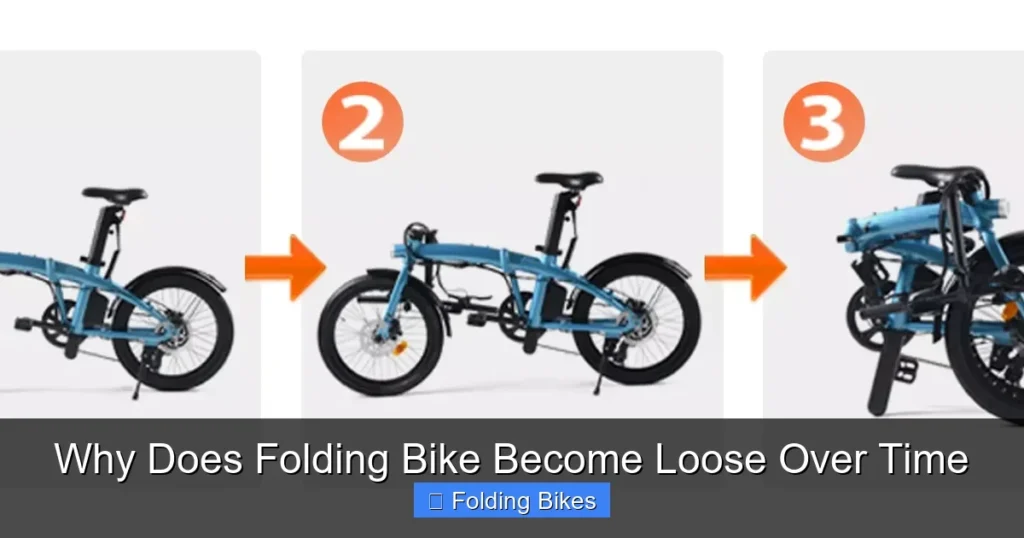
Folding bikes can become loose over time due to regular use, vibrations, and mechanical stress. Understanding the causes and performing routine checks helps maintain safety and performance. This guide explains how to identify, fix, and prevent looseness in your folding bike.
Key Takeaways
- Frequent use and vibrations cause bolts and joints to loosen gradually.
- Hinges and folding mechanisms are prone to wear and require regular inspection.
- Improper storage or transport can accelerate loosening of critical components.
- Routine maintenance every 2–4 weeks prevents most looseness issues.
- Using the right tools ensures safe and effective tightening without damage.
- Lubrication and cleaning reduce friction and wear on moving parts.
- Professional servicing is recommended annually for complex folding systems.
Why Does Folding Bike Become Loose Over Time?
Folding bikes are designed for convenience, portability, and versatility. Whether you’re commuting through the city, traveling by train, or storing your bike in a small apartment, a folding bike offers unmatched flexibility. However, one common issue many riders face is that their folding bike becomes loose over time. You might notice wobbling handlebars, a shaky frame, or a creaking sound when riding. These signs aren’t just annoying—they can compromise your safety.
So, why does this happen? The answer lies in the very design that makes folding bikes so useful. Their compact nature relies on hinges, clamps, and folding joints that are under constant stress. Every time you ride, fold, or carry the bike, these components experience movement and vibration. Over time, this leads to wear and loosening. The good news? Most of these issues are preventable and fixable with regular care.
In this guide, you’ll learn exactly why folding bikes become loose, how to spot the warning signs early, and—most importantly—how to fix and prevent these problems. Whether you’re a daily commuter or a weekend rider, keeping your folding bike tight and secure is essential for a smooth, safe ride.
Common Causes of Looseness in Folding Bikes
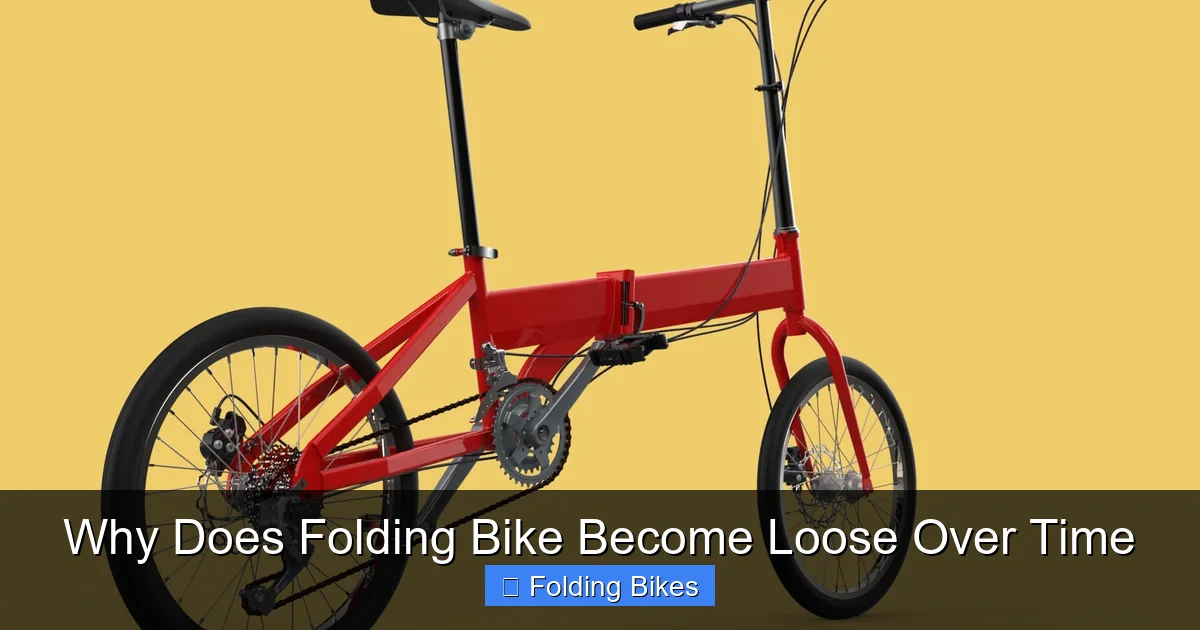
Visual guide about Why Does Folding Bike Become Loose Over Time
Image source: renderhub.com
Understanding the root causes helps you address the problem effectively. Here are the most common reasons folding bikes become loose over time.
Vibrations from Riding
Every time you ride over bumps, cracks, or uneven pavement, your bike absorbs shock. These vibrations travel through the frame, handlebars, seat post, and folding joints. Over time, even small vibrations can cause bolts and clamps to gradually loosen. This is especially true on rough terrain or during long rides.
Frequent Folding and Unfolding
The core feature of a folding bike—its ability to fold—is also a source of wear. Each time you fold or unfold the bike, the hinges and locking mechanisms are engaged. Repeated use can wear down these parts, leading to play or looseness. If the folding mechanism isn’t fully locked each time, it can also contribute to instability.
Poor Maintenance Habits
Many riders treat folding bikes like regular bikes and forget their unique needs. Skipping routine checks means small issues go unnoticed. For example, a slightly loose stem bolt might not seem serious, but it can worsen quickly and affect steering control.
Improper Storage or Transport
Storing your bike in a damp garage, leaving it in a hot car, or tossing it into a trunk without protection can damage components. Moisture causes rust, heat expands metal, and rough handling can misalign parts. All of these factors contribute to looseness over time.
Worn or Low-Quality Components
Not all folding bikes are built the same. Cheaper models may use lower-grade bolts, hinges, or clamps that wear out faster. Even high-end bikes can develop issues if parts aren’t replaced when needed.
How to Identify Looseness in Your Folding Bike
Before you can fix a loose folding bike, you need to know where the problem lies. Here’s how to inspect your bike for common signs of looseness.
Check the Handlebars and Stem
Grab the handlebars and try to twist them side to side. If you feel movement or hear a creak, the stem bolt may be loose. Also, check if the handlebars shift when you apply gentle pressure. A secure handlebar should feel solid and unmovable.
Inspect the Folding Hinges
Open and close the main folding hinge (usually near the frame). It should move smoothly but lock firmly in place. If there’s play or wobble when locked, the hinge may be worn or the locking mechanism needs adjustment.
Test the Seat Post
Push down on the saddle and see if it moves. A loose seat post can slip during rides, causing discomfort and instability. Also, check the seat clamp bolt—it should be tight enough to prevent any movement.
Examine the Pedals and Crank Arms
Wiggle the pedals. If they move independently of the crank arms, the pedal threads may be loose. Also, check the crank arms for side-to-side movement, which could indicate a loose bottom bracket.
Look at the Frame Joints and Bolts
Use a flashlight to inspect all bolts, especially around the folding mechanism, stem, and rear triangle. Look for rust, cracks, or signs of wear. Tighten any bolts that feel loose—but don’t over-tighten, as this can strip threads.
Step-by-Step Guide to Fixing a Loose Folding Bike
Now that you know what to look for, let’s fix the problem. Follow these steps to tighten and secure your folding bike.
Gather the Right Tools
You’ll need a few basic tools:
– Hex (Allen) keys (usually 4mm, 5mm, and 6mm)
– Torque wrench (optional but recommended)
– Bike-specific lubricant
– Clean rag
– Bike stand or stable surface (optional)
Having the right tools ensures you can tighten bolts properly without damaging them. For a complete set, consider investing in a best bike tool kit for beginners, which includes all essentials.
Tighten the Stem and Handlebar
1. Locate the stem bolt (usually on the front of the stem).
2. Use the correct hex key to tighten it gradually.
3. Test the handlebars—there should be no movement.
4. If your bike has a quill stem, check the expander bolt inside the steerer tube.
Tip: Don’t overtighten. Use a torque wrench if possible, following the manufacturer’s recommended torque settings.
Secure the Folding Mechanism
1. Fully unfold the bike and lock the main hinge.
2. Check the locking lever—it should snap into place with firm resistance.
3. If it feels loose, adjust the tension using the adjustment screw (usually near the hinge).
4. Test by gently shaking the frame. There should be no wobble.
For bikes with multiple folding points (like the Brompton), repeat this process for each hinge.
Tighten the Seat Post and Clamp
1. Loosen the seat clamp bolt slightly.
2. Adjust the seat to your preferred height.
3. Tighten the bolt until the seat post doesn’t move when you push down.
4. Avoid over-tightening, which can crack the seat post or frame.
Check and Tighten Pedals and Crank Arms
1. Use a pedal wrench or hex key to tighten both pedals (right pedal is reverse-threaded).
2. Check crank arm bolts and tighten if loose.
3. Apply a drop of lubricant to pedal threads during reinstallation to prevent seizing.
Lubricate Moving Parts
Apply a small amount of bike-specific lubricant to:
– Folding hinges
– Locking levers
– Seat post (lightly, to prevent seizing)
– Pedal threads
Avoid using WD-40 as a lubricant—it’s a cleaner, not a long-term lubricant. For proper storage and use of lubricants, check out our guide on how to store bike lubricant.
Preventing Looseness: Maintenance Tips
Fixing looseness is one thing—preventing it is even better. Follow these tips to keep your folding bike tight and reliable.
Perform Regular Checks
Make it a habit to inspect your bike every 2–4 weeks, especially if you ride daily. Focus on:
– Bolts and clamps
– Folding mechanisms
– Handlebar and seat post
A quick 5-minute check can save you from bigger problems later.
Store Your Bike Properly
Keep your bike in a dry, cool place. Avoid leaving it in direct sunlight or damp areas. If you transport it frequently, use a padded bike bag to protect it from bumps.
Lubricate Moving Parts Monthly
Even if nothing feels loose, lubricating hinges and clamps once a month reduces wear and keeps things moving smoothly.
Use a Bike Pump with Gauge
Underinflated tires increase vibration and stress on the frame. Keep your tires at the recommended pressure using a reliable pump. For convenience, consider a best folding bike pump that’s compact and accurate.
Get Annual Professional Servicing
Once a year, take your folding bike to a professional mechanic. They can inspect internal components, replace worn parts, and ensure everything is aligned correctly.
Troubleshooting Common Issues
Even with regular care, you might still encounter problems. Here’s how to handle them.
Creaking Sounds When Riding
This is often caused by loose bolts or dry hinges. Tighten all major bolts and apply lubricant to moving parts. If the sound persists, check the bottom bracket or headset.
Bike Feels Wobbly at High Speeds
This could be due to loose handlebars, a misaligned front wheel, or underinflated tires. Check tire pressure first, then inspect the stem and fork.
Folding Mechanism Won’t Lock
Dirt or rust may be blocking the lock. Clean the hinge with a rag and apply lubricant. If the lever is damaged, contact the manufacturer for a replacement.
Seat Post Keeps Slipping
This is usually due to a loose clamp or a dirty seat post. Clean the post and clamp, then tighten the bolt. If the post is scratched or corroded, consider replacing it.
Conclusion
Folding bikes are amazing machines, but their unique design makes them prone to loosening over time. Vibrations, frequent folding, and lack of maintenance all contribute to this common issue. The good news is that with regular checks, proper tools, and a little care, you can keep your folding bike tight, safe, and ready for any adventure.
By following the steps in this guide—inspecting key components, tightening bolts, lubricating hinges, and storing your bike properly—you’ll extend its lifespan and enjoy smoother, safer rides. Remember, prevention is always easier than repair. So grab your hex keys, give your bike a quick check, and ride with confidence.
Your folding bike is built to go the distance. With the right care, it will stay solid mile after mile.



