

Folding bikes offer convenience and portability, but their compact design can reduce stability in traffic. This guide explains the key factors behind this issue—like small wheels, shorter wheelbases, and flexible frames—and offers actionable solutions to help you ride more safely and confidently.
Key Takeaways
- Smaller wheels reduce traction and bump absorption: Folding bikes typically use 16″ to 20″ wheels, which are more sensitive to road imperfections and less stable at higher speeds.
- Shorter wheelbase affects balance: The compact frame shortens the distance between wheels, making quick corrections more abrupt and reducing straight-line stability.
- Hinge points can introduce flex: Folding mechanisms may allow slight movement in the frame, especially if not properly maintained or locked in place.
- Lower center of gravity isn’t always better: While low weight helps portability, it can make the bike feel twitchy when navigating tight traffic situations.
- Proper setup and accessories improve control: Upgrading tires, using a best folding bike pump, and adding fenders or racks can enhance ride quality.
- Rider technique matters: Smooth steering, controlled braking, and awareness of surroundings significantly boost safety in traffic.
- Regular maintenance is crucial: Keeping hinges tight, brakes responsive, and tires properly inflated minimizes instability risks.
Why Are Folding Bikes Less Stable in Traffic?
If you’ve ever ridden a folding bike through busy city streets, you’ve probably noticed that it doesn’t feel quite as steady as a full-sized road or hybrid bike. You’re not imagining things—there are real engineering and design reasons why folding bikes can feel less stable in traffic. But understanding these factors is the first step toward riding more safely and confidently.
In this guide, we’ll break down the main causes of instability in folding bikes, explain how they affect your ride in traffic, and give you practical tips to improve control, comfort, and safety. Whether you’re commuting daily or just using your folder for weekend errands, these insights will help you get the most out of your bike without sacrificing stability.
Understanding the Core Design Trade-Offs
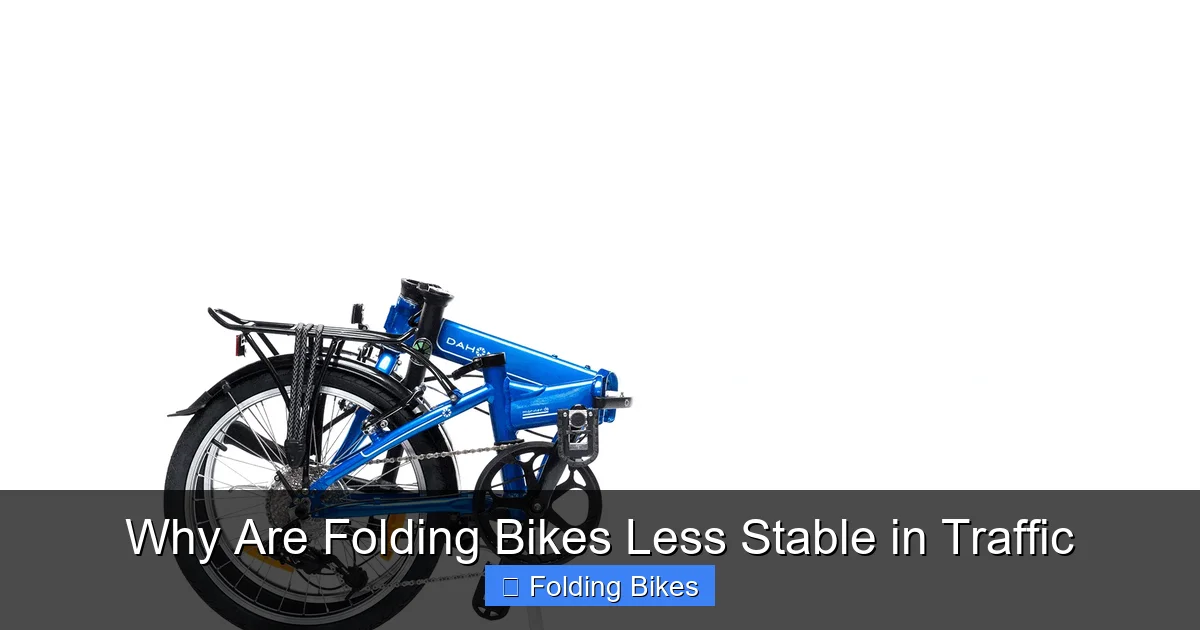
Visual guide about Why Are Folding Bikes Less Stable in Traffic
Image source: dahonfoldingbikes.com
Folding bikes are built for one primary purpose: portability. That means they sacrifice some traditional bike stability features to become compact, lightweight, and easy to carry. While this makes them ideal for mixed-mode commuting (bike + train/bus), it also introduces challenges when navigating stop-and-go traffic, sudden turns, or uneven pavement.
Let’s look at the key design elements that contribute to reduced stability.
1. Smaller Wheel Size
Most folding bikes use wheels between 16 and 20 inches in diameter—significantly smaller than the 26″ or 700c wheels found on standard bikes. Smaller wheels have less rotational inertia, which means they respond more quickly to steering input. While this makes the bike nimble and easy to maneuver in tight spaces, it also makes it more sensitive to bumps, potholes, and road debris.
In traffic, where you might need to swerve slightly to avoid a car door or pothole, that quick response can feel twitchy or unpredictable. Additionally, smaller wheels don’t roll over obstacles as smoothly, which can cause jarring movements that throw off your balance.
Tip: Choose folding bikes with 20-inch wheels if possible—they offer a better balance of portability and stability than 16-inch models. Also, consider upgrading to higher-quality tires with better grip and puncture resistance.
2. Shorter Wheelbase
The wheelbase—the distance between the front and rear axles—is shorter on folding bikes due to their compact frames. A shorter wheelbase improves maneuverability but reduces straight-line stability. In traffic, this means the bike may feel less planted when riding in a straight line, especially at moderate speeds (10–15 mph).
When you need to make quick lane changes or avoid obstacles, the shorter wheelbase can make the bike feel “skittish.” It reacts faster to steering inputs, which is great for tight turns but can be unsettling when you’re trying to maintain a steady path between cars.
Example: Imagine riding behind a delivery van that suddenly stops. On a full-sized bike, you have more time and stability to brake or swerve. On a folding bike, the shorter wheelbase means you need to react more precisely—any overcorrection can lead to wobbling.
3. Frame Flex at Hinge Points
Folding bikes rely on hinges and locking mechanisms to collapse. While modern designs are quite robust, these joints can introduce slight flex or movement—especially if they’re not properly maintained. Over time, repeated folding and unfolding can loosen bolts or wear down contact points.
This flex is most noticeable when accelerating, braking hard, or riding over rough surfaces. In traffic, where sudden stops are common, any frame movement can reduce your sense of control and make the bike feel less predictable.
Tip: Regularly inspect and tighten all folding mechanisms. Use a torque wrench if recommended by the manufacturer. If you notice creaking or movement, have it checked by a professional.
4. Lower Center of Gravity and Weight Distribution
Folding bikes are often lighter than traditional bikes, which is great for carrying but can affect handling. A lower center of gravity helps with balance at low speeds, but the reduced mass means the bike has less momentum to smooth out bumps or resist wind gusts.
In city traffic, crosswinds from buses or large vehicles can push a lightweight folding bike off course more easily than a heavier bike. Additionally, the weight distribution—often concentrated toward the rear due to the folded design—can make the front wheel feel light, reducing steering precision.
Solution: Add a small front rack or bag to shift some weight forward. This improves front-wheel traction and makes steering feel more responsive and stable.
How Traffic Conditions Expose These Weaknesses
City traffic isn’t just about cars—it’s a dynamic environment with frequent stops, starts, turns, and obstacles. These conditions amplify the stability challenges of folding bikes.
Frequent Stopping and Starting
In stop-and-go traffic, you’re constantly accelerating and braking. Folding bikes, especially non-electric models, may lack the gear range or braking power to handle repeated starts smoothly. A jerky start can unsettle the bike, especially if the frame has any flex.
Tip: Practice smooth, gradual acceleration. If your bike has multiple gears, use a lower gear when starting from a stop to reduce strain on the drivetrain and improve control.
Navigating Around Obstacles
Potholes, manhole covers, and debris are common in urban areas. Smaller wheels on folding bikes are more likely to get caught in gaps or bounce over bumps, making the ride feel rougher and less controlled.
Example: A 20-inch wheel might handle a small crack fine, but a 16-inch wheel could catch and jolt the rider. This is especially risky when swerving to avoid a parked car or pedestrian.
Interaction with Other Road Users
Cars, buses, and cyclists all create turbulence and require quick reactions. A folding bike’s lighter weight and compact size make it more vulnerable to being buffeted by wind or sudden movements from other vehicles.
Pro Tip: Ride predictably and use hand signals early. Avoid riding too close to parked cars (watch for opening doors!) and stay visible with lights and reflective gear.
Improving Stability: Practical Tips and Upgrades
The good news? You don’t have to accept instability as part of the folding bike experience. With the right setup and habits, you can significantly improve your bike’s performance in traffic.
1. Upgrade Your Tires
Tires are your bike’s only contact with the road. Many folding bikes come with basic, narrow tires that prioritize speed over comfort. Switching to wider, puncture-resistant tires with better tread can dramatically improve grip and shock absorption.
Recommendation: Look for tires labeled “urban” or “commuter” with a width of at least 1.75 inches. Brands like Schwalbe and Continental offer excellent options for small-wheel bikes.
2. Use a Reliable Pump
Proper tire pressure is essential for stability. Underinflated tires increase rolling resistance and make the bike feel sluggish; overinflated tires reduce grip and amplify bumps.
A best folding bike pump lets you maintain optimal pressure on the go. Choose one that’s compact, durable, and compatible with your valve type (Presta or Schrader).
3. Add Accessories for Better Control
– Fenders: Keep you dry and prevent water spray from affecting traction. Learn how to install fenders on hybrid bikes—the process is similar for most folding models.
– Racks and Panniers: Distribute weight evenly and reduce the need for backpacks, which can affect balance.
– Mirrors: Improve awareness of traffic behind you without turning your head.
4. Practice Defensive Riding
Even with upgrades, your technique matters most. Adopt a defensive mindset:
– Keep a safe distance from cars.
– Scan ahead for hazards.
– Avoid sudden movements.
– Use both brakes evenly (rear first, then front).
5. Maintain Your Bike Regularly
A well-maintained bike is a stable bike. Check:
– Hinge locks (ensure they’re fully engaged)
– Brake pads (replace when worn)
– Chain tension and lubrication
– Tire condition and pressure
Troubleshooting Common Stability Issues
Bike Feels Wobbly at Speed?
Check tire pressure and wheel alignment. Loose spokes or a misaligned wheel can cause wobbling. Visit a bike shop if the issue persists.
Steering Feels Too Sensitive?
This is common with small wheels. Try slowing your steering inputs and keeping your hands relaxed. Consider a stem with a slight rise to improve control.
Frame Creaks or Moves When Riding?
Inspect all folding joints and bolts. Tighten according to manufacturer specs. Apply grease to pivot points if recommended.
Conclusion
Folding bikes are less stable in traffic due to their small wheels, short wheelbases, hinge mechanisms, and lightweight construction. But these aren’t deal-breakers—they’re design trade-offs that can be managed with the right knowledge and preparation.
By understanding the root causes of instability and taking proactive steps—like upgrading tires, maintaining your bike, and refining your riding technique—you can enjoy all the convenience of a folding bike without compromising safety or control.
Remember: stability isn’t just about the bike—it’s about how you ride it. Stay alert, ride smoothly, and make smart upgrades. With practice, your folding bike can be a confident, capable companion in even the busiest traffic.



