

Folding bikes offer convenience and portability, but commuting with them comes with unique challenges. From limited speed and comfort to storage and safety concerns, this guide covers the most common issues and how to solve them effectively.
Key Takeaways
- Reduced speed and range: Folding bikes often have smaller wheels and lighter frames, which can limit top speed and efficiency on longer commutes.
- Comfort limitations: Shorter wheelbases and compact geometry may lead to a bumpier, less stable ride compared to full-sized bikes.
- Storage and portability issues: While foldable, some models are still heavy or bulky when folded, making them hard to carry on public transport or store in small spaces.
- Weather vulnerability: Many folding bikes lack full fenders or weatherproof components, increasing exposure to rain and road grime.
- Theft risk in public spaces: Their compact size makes folding bikes attractive to thieves, especially when left unattended in transit areas.
- Limited gear options: Entry-level models may have fewer gears, making hill climbing and varied terrain more challenging.
- Maintenance complexity: Folding mechanisms require regular lubrication and adjustment to prevent wear and ensure smooth operation.
Introduction: Why Folding Bikes Are Great—But Not Perfect for Commuting
Folding bikes are a fantastic solution for urban commuters who need flexibility. Whether you’re combining cycling with public transit, living in a small apartment, or traveling frequently, these compact machines offer unmatched convenience. However, despite their many benefits, commuting with folding bikes isn’t always smooth sailing. From mechanical quirks to real-world usability challenges, several problems can arise that may affect your daily ride.
In this guide, we’ll walk you through the most common issues commuters face with folding bikes—and more importantly, how to prevent or fix them. You’ll learn how to choose the right model, maintain it properly, and adapt your routine to get the most out of your compact commuter. Whether you’re a new rider or thinking of switching from a traditional bike, this guide will help you avoid frustration and enjoy a reliable, efficient commute.
1. Limited Speed and Range Due to Smaller Wheels
One of the first things you’ll notice when riding a folding bike is that it doesn’t accelerate or maintain speed as easily as a full-sized road or hybrid bike. This is largely due to the smaller wheel size—most folding bikes use 16″ to 20″ wheels, compared to the standard 26″ or 700c on traditional bikes.
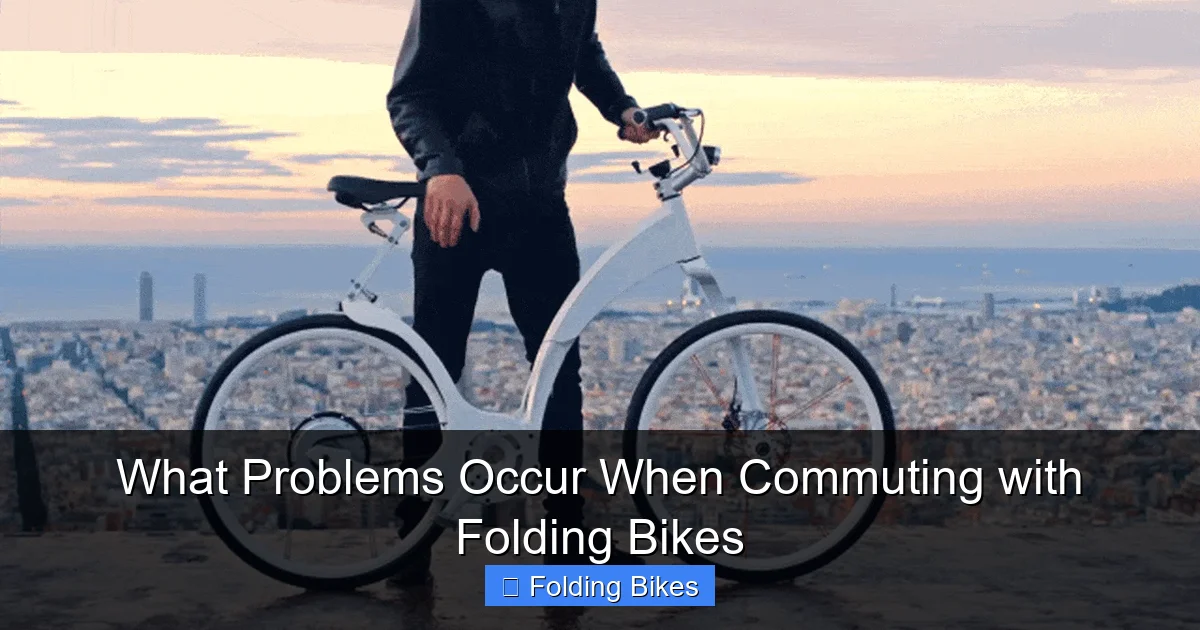
Visual guide about What Problems Occur When Commuting with Folding Bikes
Image source: images.fastcompany.net
Why Smaller Wheels Affect Performance
Smaller wheels have higher rolling resistance and less momentum, meaning you’ll need to pedal harder to keep up with traffic or cover longer distances. This can be especially noticeable on flat roads or when trying to maintain a steady pace during rush hour.
How to Overcome Speed Limitations
- Choose a model with larger wheels: Some folding bikes, like those in the Best Folding Mountain Bikes For Bikepacking category, offer 24″ or even 26″ wheels for better efficiency.
- Upgrade to higher-pressure tires: Look for tires that support higher PSI (like those in our Best Tires for Commuting guide) to reduce rolling resistance.
- Consider an electric assist: If your commute is long or hilly, an e-folding bike can give you the extra boost you need. Check out our recommendations in the Best Electric Bikes For City Commuting article.
2. Comfort and Ride Quality Challenges
Folding bikes are designed for portability, not necessarily for long-distance comfort. The compact frame geometry often results in a more upright riding position, which can strain your back and shoulders over time. Additionally, the shorter wheelbase makes the ride feel less stable, especially on uneven pavement or potholes.
Common Comfort Issues
- Bumpy ride: Less suspension and smaller wheels mean more vibrations from the road.
- Hard saddle: Many entry-level models come with basic, uncomfortable seats.
- Handlebar fatigue: Narrow or fixed handlebars can limit hand positions and cause numbness.
Tips to Improve Comfort
- Invest in a quality seatpost and saddle: A suspension seatpost or ergonomic saddle can make a big difference. See our Best Seatpost for Road Bikes guide for ideas.
- Add ergonomic grips: Padded, ergonomic handlebar grips reduce hand fatigue.
- Use wider tires with lower pressure: This improves shock absorption—just ensure they’re compatible with your rims.
3. Storage and Portability Problems
While folding bikes are meant to be portable, not all models fold equally well. Some are heavy (over 30 lbs), others don’t fold compactly, and a few require tools to disassemble. This can make carrying them up stairs, onto buses, or storing them under a desk a real challenge.
Real-World Portability Issues
- Heavy weight: Steel frames and added components increase overall mass.
- Bulky fold: Some bikes don’t collapse tightly, making them awkward to carry.
- No carrying handle: Without a designated grip, lifting a folded bike can be clumsy.
Solutions for Better Portability
- Choose lightweight materials: Aluminum or carbon fiber frames reduce weight significantly.
- Look for a compact fold design: Test how small the bike gets when folded—some models fit in airline carry-on bags.
- Add a shoulder strap or carrying case: These accessories make transport much easier, especially on public transit.
4. Weather Exposure and Lack of Protection
Many folding bikes come with minimal or no fenders, chain guards, or mud flaps. This leaves you and your bike vulnerable to rain, puddles, and road spray—especially during wet commutes.
Weather-Related Problems
- Wet clothes: Without fenders, splashes can soak your back and legs.
- Chain rust: Exposure to moisture accelerates wear on the drivetrain.
- Reduced visibility: Lack of integrated lights or reflectors increases safety risks in low light.
How to Weatherproof Your Folding Bike
- Install clip-on fenders: Even basic fenders can prevent most splashes. For hybrid bikes, see our How to Install Fenders on Hybrid Bikes tutorial.
- Use a chain guard: Protects the chain and your clothes from grease and dirt.
- Add LED lights and reflective tape: Improve visibility with front and rear lights. Avoid blinding others with overly bright beams—read our guide on proper light usage.
5. Theft Risk in Public Spaces
Because folding bikes are small and easy to carry, they’re often targeted by thieves—especially when left on trains, buses, or in bike racks. Their portability cuts both ways: while you can bring them indoors, that’s not always possible.
Common Theft Scenarios
- Left unattended on public transit: Even briefly, a folded bike can be snatched.
- Stored in shared spaces: Apartments, offices, or garages may not be secure.
- Using weak locks: Cable locks are easy to cut; U-locks are better but may not fit folded frames.
How to Secure Your Folding Bike
- Use a high-quality folding lock: These are compact and tough. Learn how to use one properly in our How to Use a Folding Lock guide.
- Never leave it unattended in public: If you must, choose well-lit, high-traffic areas.
- Register your bike: Use a national registry or engraving service to deter theft and aid recovery.
6. Limited Gearing for Hills and Varied Terrain
Many budget folding bikes come with only 3 to 7 speeds, which may not be enough for hilly cities or mixed terrain. Climbing steep inclines can become exhausting, and you might find yourself walking the bike uphill.
How to Address Gearing Limitations
- Upgrade to a model with more gears: Look for bikes with 8-speed or internal gear hubs.
- Adjust your route: Use bike maps to find flatter, safer paths.
- Consider an electric conversion kit: Adds pedal assist without buying a new bike.
7. Maintenance of Folding Mechanisms
The hinges, latches, and folding joints on these bikes require regular care. If neglected, they can become stiff, loose, or even fail mid-ride—a serious safety risk.
Maintenance Tips
- Lubricate hinges monthly: Use a light bike-specific oil.
- Check latch tightness: Ensure all folding points are secure before each ride.
- Inspect for wear: Look for cracks or play in the frame joints.
Troubleshooting Common Issues
If your folding bike feels unstable, won’t fold smoothly, or makes strange noises, here’s how to diagnose and fix it:
- Bike wobbles at speed: Check tire pressure, wheel alignment, and headset tightness.
- Folding latch won’t close: Clean debris from the mechanism and apply lubricant.
- Chain slips under load: Adjust derailleur or replace worn chain and cassette.
Conclusion: Make the Most of Your Folding Bike Commute
Commuting with a folding bike has its challenges, but with the right preparation and maintenance, these issues are manageable—and often avoidable. By choosing a well-designed model, upgrading key components, and adapting your routine, you can enjoy all the benefits of portability without sacrificing performance or comfort.
Remember, the best folding bike for you depends on your specific needs: distance, terrain, storage space, and budget. Take the time to test ride different models, and don’t hesitate to invest in accessories that improve safety and usability. With a little effort, your folding bike can become a reliable, everyday companion for urban travel.



