
Folding bikes offer convenience and portability, but their unique design can lead to specific durability challenges. This guide breaks down the most common issues—like hinge wear, frame stress, and component fatigue—and shows you how to spot, prevent, and fix them to keep your bike running smoothly for years.
Key Takeaways
- Hinge and folding mechanisms are high-stress points: These areas endure repeated motion and weight, making them prone to loosening, corrosion, or failure if not maintained.
- Frame joints and welds can develop cracks: Constant folding and unfolding puts stress on frame connections, especially on lower-quality models.
- Small wheels wear out faster: Compact wheels handle less weight and absorb less shock, leading to quicker tire and rim degradation.
- Cables and brakes need frequent checks: Folding designs often route cables through tight spaces, increasing friction and wear.
- Proper storage and lubrication extend lifespan: Keeping your bike clean, dry, and well-lubricated prevents rust and mechanical wear.
- Regular inspections prevent major failures: A quick monthly check can catch loose bolts, frayed cables, or misalignments before they become dangerous.
- Invest in quality tools and accessories: Using the right bike tool set with case makes maintenance easier and more effective.
What Are Common Issues with Folding Bike Durability?
Folding bikes are a fantastic solution for commuters, travelers, and city dwellers who need a compact, portable ride. But while their convenience is unmatched, their unique design introduces specific durability challenges. Unlike traditional bikes, folding bikes have moving parts that endure constant stress from folding, unfolding, and riding. Over time, these stress points can lead to wear, loosening, or even failure if not properly maintained.
In this guide, you’ll learn about the most common durability issues folding bikes face, how to spot them early, and—most importantly—how to prevent or fix them. Whether you’re a daily commuter or an occasional rider, understanding these problems will help you get the most out of your folding bike and avoid costly repairs or replacements.
1. Hinge and Folding Mechanism Wear
The hinge is the heart of any folding bike. It’s what allows the frame to collapse, but it’s also one of the most vulnerable parts. Every time you fold or unfold your bike, the hinge experiences mechanical stress. Over time, this can lead to loosening, play in the joint, or even corrosion.
Signs of Hinge Problems
- A wobbly or loose feel when riding
- Creaking or grinding noises when folding
- Visible rust or pitting around the hinge
- Difficulty locking the hinge in place
How to Prevent and Fix Hinge Issues
Regular inspection is key. Every month, check the hinge for tightness. Most hinges have a locking mechanism with bolts or levers—make sure they’re secure. If you notice play, tighten the bolts according to the manufacturer’s torque specifications. Avoid over-tightening, as this can damage threads.
Visual guide about What Are Common Issues with Folding Bike Durability
Image source: images.bike2where.com
Lubrication is equally important. Use a light machine oil or bike-specific lubricant on the hinge pivot points. Wipe away old grease and dirt first. For bikes stored in humid or rainy environments, consider applying a corrosion inhibitor. If the hinge is severely corroded or damaged, contact the manufacturer—some models allow hinge replacement.
2. Frame Stress and Cracked Joints
Folding bikes are engineered to be strong yet lightweight, but the repeated stress of folding can weaken frame joints over time. This is especially true for cheaper models that use thinner aluminum or lower-grade steel.
Where to Look for Frame Damage
- Near the folding hinge
- At weld points connecting the main frame tubes
- Around the seat post and handlebar stem
How to Inspect and Maintain the Frame
Perform a visual inspection every few months. Look for hairline cracks, discoloration, or deformation. Run your fingers along welds—rough or raised areas may indicate stress fractures. If you find a crack, stop riding immediately. Even small cracks can grow under load and lead to sudden failure.
To reduce stress, avoid overloading your bike. Most folding bikes have weight limits (typically 220–300 lbs). Also, fold and unfold your bike gently—don’t force it. If your bike feels stiff, check the hinge mechanism instead of applying extra pressure.
3. Small Wheel Wear and Tire Issues
Folding bikes typically use 16″ to 20″ wheels, which are lighter and more compact but less durable than full-sized wheels. Smaller wheels have less air volume, meaning they absorb less shock and are more sensitive to road imperfections.
Common Wheel and Tire Problems
- Frequent flats from pinch punctures
- Rapid tread wear due to higher rotational speed
- Rim damage from potholes or curbs
- Spoke loosening on tensioned wheels
Tips to Extend Wheel Life
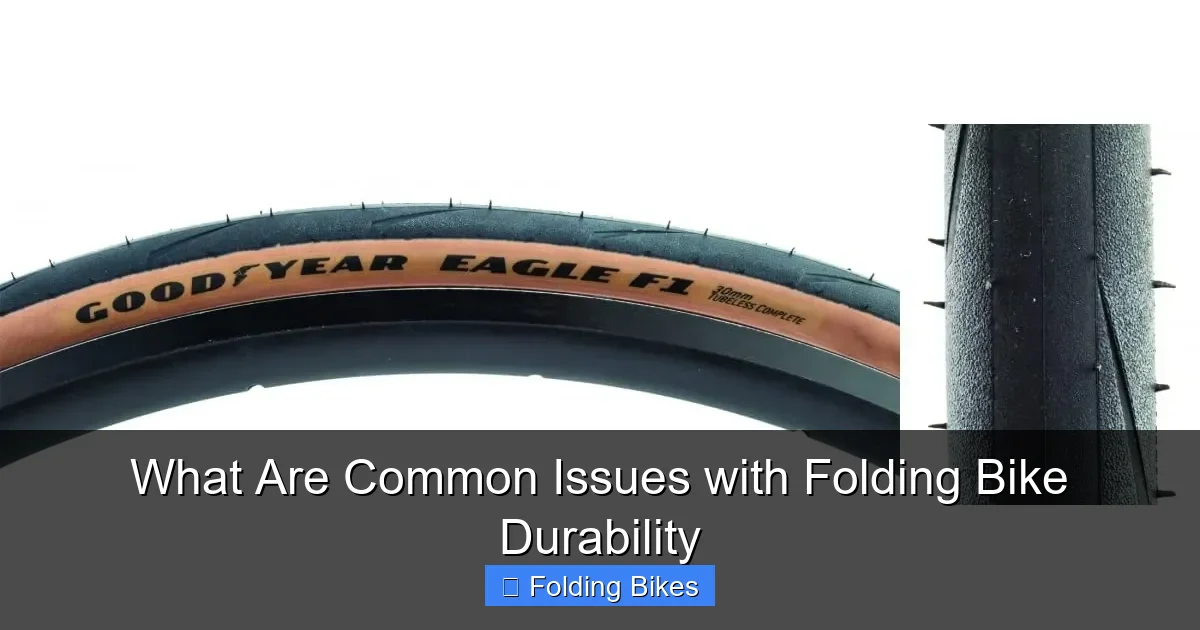
Keep your tires properly inflated. Underinflated tires increase the risk of pinch flats and wear out faster. Use a reliable folding bike pump to check pressure weekly. Most folding bike tires require 65–90 PSI—check the sidewall for the exact range.
Consider upgrading to puncture-resistant tires or using tire sealant to reduce flat frequency. Sealant can self-heal small punctures and is especially useful for commuters who ride daily.
Inspect rims for dents or cracks, especially after hitting a pothole. If your wheels feel wobbly, have them trued by a professional. Loose spokes can lead to uneven wear and eventual failure.
4. Cable and Brake System Wear
Folding bikes often route brake and gear cables through tight bends and folding joints. This increases friction and accelerates wear. Over time, cables can fray, stretch, or corrode, leading to poor braking or shifting performance.
Signs of Cable Problems
- Spongy or unresponsive brakes
- Difficulty shifting gears
- Visible rust or kinks in the cable housing
- Cables sticking when folding
How to Maintain Cables and Brakes
Lubricate cables regularly with a light oil or cable-specific lubricant. Remove the cable from the housing if possible, clean it, and re-lube before reinserting. Replace cables every 1–2 years, or sooner if you notice performance issues.
Check brake pads for wear. Most folding bikes use rim brakes, which can wear down quickly if the rims are dirty or misaligned. Clean rims with isopropyl alcohol and replace pads when they’re less than 1mm thick.
If your bike has disc brakes, ensure the rotors are clean and not warped. Avoid touching the rotor surface with bare hands—oil from your skin can reduce braking power.
5. Seat Post and Handlebar Slippage
The seat post and handlebar stem on folding bikes are often secured with quick-release clamps. While convenient, these can loosen over time, especially if not tightened properly.
How to Prevent Slippage
After every few rides, check that the seat post and handlebar are secure. Give them a firm tug to test for movement. If they slip, tighten the clamps according to the manufacturer’s torque settings. Use a torque wrench if possible—over-tightening can damage the post or frame.
Apply a small amount of carbon paste (for carbon posts) or grease (for aluminum) to prevent seizing. Avoid using grease on carbon parts unless specified—it can cause galvanic corrosion.
Troubleshooting Common Durability Problems
Even with regular maintenance, issues can arise. Here’s how to handle the most common problems:
Bike Feels Unstable When Riding
This is often due to a loose hinge or misaligned wheels. Check all folding locks and tighten bolts. If the problem persists, have the frame alignment checked by a professional.
Brakes Squeak or Don’t Stop Well
Clean the rims and brake pads. If the issue continues, check cable tension and pad alignment. Replace worn pads immediately.
Folding Mechanism Sticks or Won’t Lock
Lubricate the hinge and check for debris. Ensure the locking lever is fully engaged. If it still won’t lock, the mechanism may be worn and need replacement.
Conclusion
Folding bikes are incredibly practical, but their durability depends heavily on proper care and attention. By understanding the common weak points—hinges, frame joints, small wheels, cables, and clamps—you can take proactive steps to prevent failures and extend your bike’s lifespan.
Regular inspections, timely lubrication, and using quality tools like a bike pump and repair kit combo make a big difference. Don’t wait for a problem to become serious—small maintenance today can save you from a breakdown tomorrow.
With the right habits, your folding bike can remain a reliable, long-lasting companion for years of commuting, traveling, and urban adventures.



