

Folding bikes are often slower than standard bicycles due to smaller wheels, heavier frames, and limited gearing options. This guide explains the key engineering and design factors behind the speed difference and offers tips to improve performance.
Key Takeaways
- Smaller wheels reduce rolling efficiency: Folding bikes typically use 16″ to 20″ wheels, which create more rolling resistance and slower acceleration than larger wheels on standard bikes.
- Heavier frame materials slow acceleration: The added hinges and reinforcement needed for folding make these bikes heavier, requiring more effort to speed up.
- Limited gear ratios restrict top speed: Many folding bikes have fewer gears or lower gear ranges, making it harder to maintain high speeds on flat roads or descents.
- Compact geometry affects aerodynamics: The upright riding position and shorter wheelbase reduce aerodynamic efficiency compared to road or hybrid bikes.
- Suspension and tire choices add drag: Some folding models include suspension or use wider, knobby tires that increase friction and slow you down.
- Performance can be improved with upgrades: Swapping tires, adjusting posture, or using a best folding bike pump to maintain proper pressure can boost speed.
- Choose the right model for your needs: If speed is a priority, consider lightweight folding bikes with 20″ wheels and high gear ranges, like those used in best folding mountain bikes for bikepacking.
Why Are Folding Bikes Slower Than Normal Bicycles? A Complete Guide
If you’ve ever ridden a folding bike alongside a traditional road or hybrid bike, you may have noticed that keeping up takes more effort. Folding bikes are incredibly convenient—easy to store, carry on public transit, and tuck under a desk—but they often come with a trade-off: speed. So, why are folding bikes slower than normal bicycles?
In this guide, we’ll break down the main reasons folding bikes don’t match the pace of standard bikes. You’ll learn about wheel size, frame design, weight, gearing, and aerodynamics. We’ll also share practical tips to help you get the most speed out of your folding bike, whether you’re commuting, touring, or just enjoying a weekend ride.
1. Smaller Wheels Mean Less Rolling Efficiency
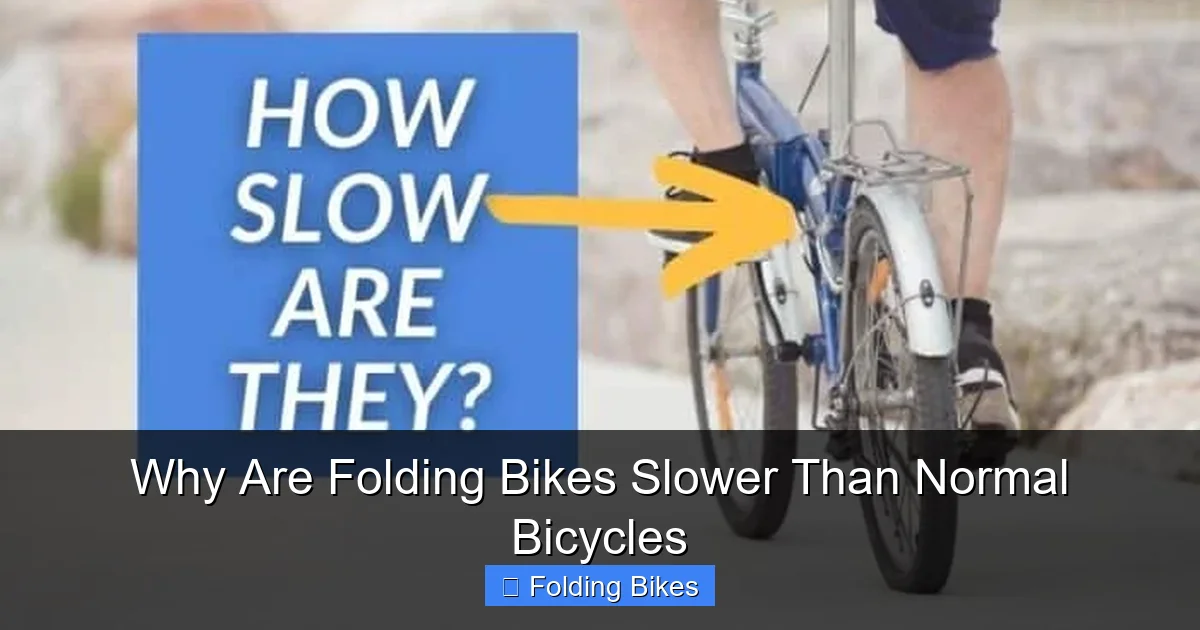
Visual guide about Why Are Folding Bikes Slower Than Normal Bicycles
Image source: discerningcyclist.com
One of the biggest factors affecting speed is wheel size. Most folding bikes use wheels between 16 and 20 inches in diameter, while standard road bikes typically have 26″ to 29″ wheels.
How Wheel Size Affects Speed
Smaller wheels have to rotate more times to cover the same distance as larger wheels. This means they accelerate faster from a stop—great for city traffic—but they lose momentum more quickly and struggle to maintain high speeds. They also encounter more resistance over bumps and rough pavement because each rotation covers less ground.
For example, a 20″ wheel rotates about 20% more per mile than a 29″ wheel. That extra rotation increases friction and energy loss, making it harder to cruise at speed.
Impact on Ride Quality
Smaller wheels also tend to transmit more road vibration to the rider, which can cause fatigue over long distances. While some folding bikes include suspension or use wider tires to cushion the ride, these features often add weight and rolling resistance—further reducing speed.
2. Heavier Frames Slow Acceleration
Folding bikes need extra hardware—hinges, latches, and reinforced joints—to allow the frame to fold. This added complexity increases weight.
Weight Comparison
A typical folding bike weighs between 25 and 35 pounds, while many standard road bikes weigh under 20 pounds. That extra 5 to 15 pounds might not sound like much, but it makes a noticeable difference when accelerating or climbing hills.
Heavier bikes require more energy to get moving and are harder to keep at speed. This is especially true in stop-and-go city riding, where frequent starts and stops amplify the effect of added weight.
Material Matters
Some folding bikes use steel frames for durability, which adds even more weight. While steel offers a smooth ride, it’s not ideal for speed. Lighter aluminum or carbon fiber models are faster but often more expensive.
If you’re looking for a balance of portability and performance, check out the best folding mountain bikes for bikepacking, which prioritize lightweight construction without sacrificing strength.
3. Limited Gearing Reduces Top Speed
Gearing plays a crucial role in how fast a bike can go. Folding bikes often have fewer gears or lower gear ratios than standard bikes.
Fewer Gears = Less Flexibility
Many folding bikes come with 3 to 8 speeds, while road bikes can have 16 to 22. Fewer gears mean less ability to fine-tune your pedaling effort. On flat roads or downhill, you might “spin out”—pedaling as fast as you can without gaining more speed—because the highest gear isn’t tall enough.
For example, a folding bike with a 45-tooth chainring and 11-tooth cog might top out around 20 mph, while a road bike with a 50-tooth chainring and 11-tooth cog can reach 25 mph or more with the same cadence.
Internal vs. External Gearing
Some folding bikes use internal hub gears (like Shimano Nexus or Rohloff), which are low-maintenance and protected from dirt. However, these systems are heavier and less efficient than external derailleur systems, adding to the speed disadvantage.
4. Compact Geometry Affects Aerodynamics
The way a bike is shaped influences how easily it cuts through the air. Folding bikes often have a more upright riding position due to their compact frames and handlebar design.
Upright Posture = More Wind Resistance
When you sit upright, your body presents a larger surface area to the wind. This increases aerodynamic drag, which becomes a major factor at speeds above 15 mph. Road bikes, by contrast, encourage a leaned-forward posture that reduces drag and improves speed.
Even small changes in body position can make a big difference. A rider on a folding bike may experience 20–30% more wind resistance than someone on a road bike at the same speed.
Shorter Wheelbase and Stability
Folding bikes have shorter wheelbases to allow compact folding. While this improves maneuverability in tight spaces, it can reduce stability at high speeds. A less stable bike feels twitchy and requires more attention to control, making it harder to focus on maintaining speed.
5. Tire Choice and Pressure Matter
Tires are a major contributor to rolling resistance. Many folding bikes come with wide, knobby, or low-pressure tires designed for comfort and versatility.
Wider, Knobby Tires Add Drag
While these tires handle rough surfaces well, they create more friction on smooth pavement. A 20″ x 1.75″ tire with tread will roll slower than a 20″ x 1.25″ slick tire. The difference might seem small, but over a 10-mile ride, it can add several minutes.
Proper Inflation Is Key
Underinflated tires increase rolling resistance significantly. Always use a reliable pump to keep tires at the recommended pressure. For folding bikes, a compact, portable pump is essential—consider the best folding bike pump for on-the-go adjustments.
6. Suspension Adds Comfort but Costs Speed
Some folding bikes include front suspension or rear suspension to improve ride quality. While this helps absorb bumps, it also absorbs energy that could go into forward motion.
Energy Loss in Suspension
Every time the suspension compresses and rebounds, a small amount of pedaling energy is lost as heat. This “energy sapping” effect is more noticeable on smooth roads where suspension isn’t needed.
If speed is your priority, look for folding bikes with rigid frames or lockable suspension that can be turned off on flat terrain.
How to Make Your Folding Bike Faster
While folding bikes may never match the top speed of a road bike, you can make meaningful improvements:
Upgrade to Slick, High-Pressure Tires
Swap knobby tires for smooth, narrow ones designed for pavement. Look for tires labeled “slick” or “urban” with a high PSI rating (e.g., 65–85 PSI for 20″ wheels).
Maintain Proper Tire Pressure
Check pressure weekly and inflate before every long ride. Use a quality pump with a pressure gauge to avoid underinflation.
Reduce Weight Where Possible
Remove unnecessary accessories like baskets or heavy racks. Consider lighter pedals, seatposts, or even a carbon fiber seatpost if compatible.
Improve Your Riding Position
Lean forward slightly and tuck your elbows in to reduce wind resistance. Wear tight-fitting clothing to cut down on drag.
Keep the Drivetrain Clean and Lubricated
A clean, well-lubed chain reduces friction and improves efficiency. Wipe down the chain monthly and apply bike-specific lubricant.
Troubleshooting Common Speed Issues
Bike Feels Sluggish Even After Upgrades?
Check for brake drag—sometimes brakes rub slightly even when not applied. Spin each wheel and listen for rubbing sounds. Adjust brake pads if needed.
Difficulty Maintaining Speed on Flats?
You may need a taller gear. Consider upgrading to a larger chainring or a cassette with smaller cogs (e.g., 11T instead of 14T).
Uncomfortable at Higher Speeds?
A shorter stem or adjustable handlebars can help you find a more aerodynamic position without sacrificing control.
Conclusion
Folding bikes are slower than normal bicycles for good reasons: smaller wheels, heavier frames, limited gearing, and less aerodynamic designs all contribute to reduced speed. But that doesn’t mean they’re slow—just different. Their strength lies in convenience, portability, and versatility, not outright performance.
By understanding the factors that affect speed, you can make smart upgrades and adjustments to get the most out of your folding bike. Whether you’re commuting across town or exploring a new city, a well-tuned folding bike can be a fast, fun, and practical choice.
Remember, the goal isn’t always to go faster—it’s to enjoy the ride. And with the right setup, your folding bike can keep up with the best of them.



